Kirjojen hintavertailu – 12 903 724 kirjaa ja 27 kauppaa

Kirjailija

Lukas Schlogl

Kirjat ja teokset yhdessä paikassa: 5 kirjaa, julkaisuja vuosilta 2020–2024, suosituimpiin kuuluu Disrupted Development and the Future of Inequality in the Age of Automation. Vertaile teosten hintoja ja tarkista saatavuus suomalaisista kirjakaupoista.

5 kirjaa

Kirjojen julkaisuvuodet: 2020–2024.

Digital Activism and the Global Middle Class

Digital Activism and the Global Middle Class

Lukas Schlogl

TAYLOR FRANCIS LTD
2024
nidottu
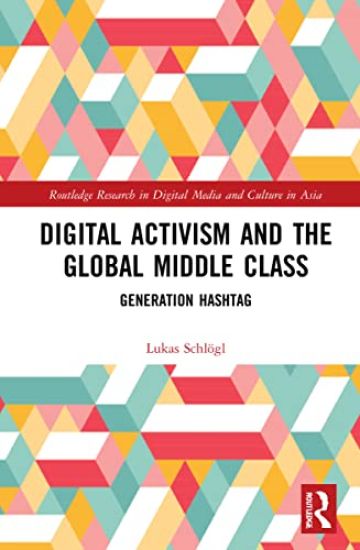
This book examines the causes of a growing wave of digital activism across developing countries, arguing that it is driven by social change, rather than technological advancement alone. Beginning with an investigation into the modernization of ‘middle-income countries’ and its ramifications for political culture, the book examines large-scale social media protest during political controversies in Indonesia. The book connects empirical evidence to classic theories of value change and political behaviour. It departs from a narrow ‘digital divide’ framing whereby Internet access produces Internet activism. It introduces the concepts of ‘digital self-expression’ and of ‘middle-class struggles’ to capture the value-stratified nature of political engagement in the online sphere. Drawing on a blend of ‘big-data’ text analyses, representative opinion research, and socioeconomic household analyses, a rich picture of the determinants of digital activism emerges. This truly cross-disciplinary book will appeal particularly to students and scholars in Political Science, Sociology, International Development, and Communication, but also to anyone eager to learn about political activism, social transformation, and new media from a global perspective.
Digital Activism and the Global Middle Class

Digital Activism and the Global Middle Class

Lukas Schlogl

TAYLOR FRANCIS LTD
2022
sidottu
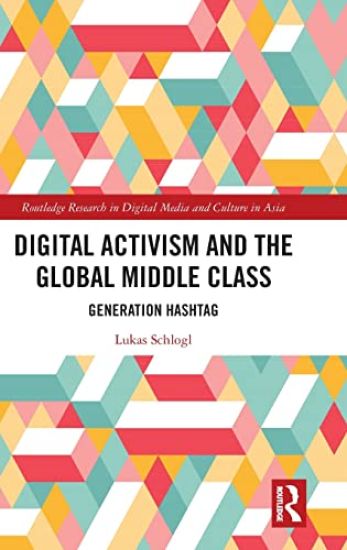
This book examines the causes of a growing wave of digital activism across developing countries, arguing that it is driven by social change, rather than technological advancement alone. Beginning with an investigation into the modernization of ‘middle-income countries’ and its ramifications for political culture, the book examines large-scale social media protest during political controversies in Indonesia. The book connects empirical evidence to classic theories of value change and political behaviour. It departs from a narrow ‘digital divide’ framing whereby Internet access produces Internet activism. It introduces the concepts of ‘digital self-expression’ and of ‘middle-class struggles’ to capture the value-stratified nature of political engagement in the online sphere. Drawing on a blend of ‘big-data’ text analyses, representative opinion research, and socioeconomic household analyses, a rich picture of the determinants of digital activism emerges. This truly cross-disciplinary book will appeal particularly to students and scholars in Political Science, Sociology, International Development, and Communication, but also to anyone eager to learn about political activism, social transformation, and new media from a global perspective.
Disrupted Development and the Future of Inequality in the Age of Automation

Disrupted Development and the Future of Inequality in the Age of Automation

Andy Sumner; Lukas Schlogl

Saint Philip Street Press
2020
pokkari
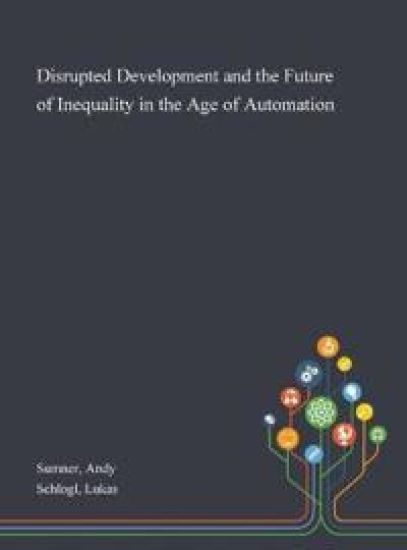
This open access book examines the future of inequality, work and wages in the age of automation with a focus on developing countries. The authors argue that the rise of a global 'robot reserve army' has profound effects on labor markets and economic development, but, rather than causing mass unemployment, new technologies are more likely to lead to stagnant wages and premature deindustrialization. The book illuminates the debate on the impact of automation upon economic development, in particular issues of poverty, inequality and work. It highlights public policy responses and strategies-ranging from containment to coping mechanisms-to confront the effects of automation. This work was published by Saint Philip Street Press pursuant to a Creative Commons license permitting commercial use. All rights not granted by the work's license are retained by the author or authors.
Disrupted Development and the Future of Inequality in the Age of Automation

Disrupted Development and the Future of Inequality in the Age of Automation

Andy Sumner; Lukas Schlogl

Saint Philip Street Press
2020
sidottu
This open access book examines the future of inequality, work and wages in the age of automation with a focus on developing countries. The authors argue that the rise of a global 'robot reserve army' has profound effects on labor markets and economic development, but, rather than causing mass unemployment, new technologies are more likely to lead to stagnant wages and premature deindustrialization. The book illuminates the debate on the impact of automation upon economic development, in particular issues of poverty, inequality and work. It highlights public policy responses and strategies-ranging from containment to coping mechanisms-to confront the effects of automation. This work was published by Saint Philip Street Press pursuant to a Creative Commons license permitting commercial use. All rights not granted by the work's license are retained by the author or authors.
Disrupted Development and the Future of Inequality in the Age of Automation

Disrupted Development and the Future of Inequality in the Age of Automation

Lukas Schlogl; Andy Sumner

Springer Nature Switzerland AG
2020
sidottu
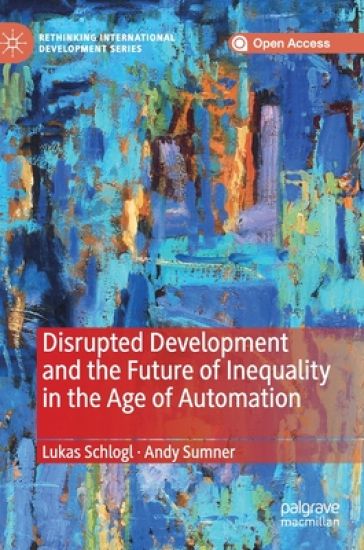
This open access book examines the future of inequality, work and wages in the age of automation with a focus on developing countries. The authors argue that the rise of a global ‘robot reserve army’ has profound effects on labor markets and economic development, but, rather than causing mass unemployment, new technologies are more likely to lead to stagnant wages and premature deindustrialization. The book illuminates the debate on the impact of automation upon economic development, in particular issues of poverty, inequality and work. It highlights public policy responses and strategies–ranging from containment to coping mechanisms—to confront the effects of automation.