

Kirjailija
Luther Standing Bear
Kirjat ja teokset yhdessä paikassa: 12 kirjaa, julkaisuja vuosilta 2006–2026, suosituimpiin kuuluu My People the Sioux. Vertaile teosten hintoja ja tarkista saatavuus suomalaisista kirjakaupoista.
12 kirjaa
Kirjojen julkaisuvuodet: 2006–2026.
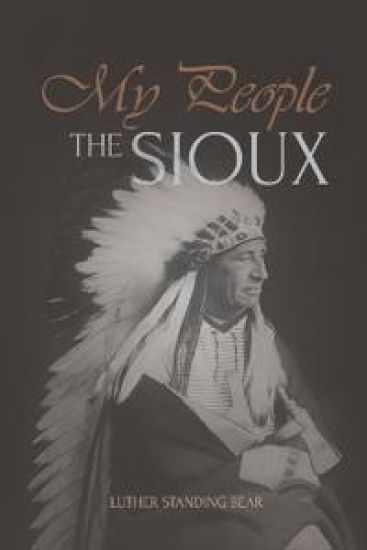
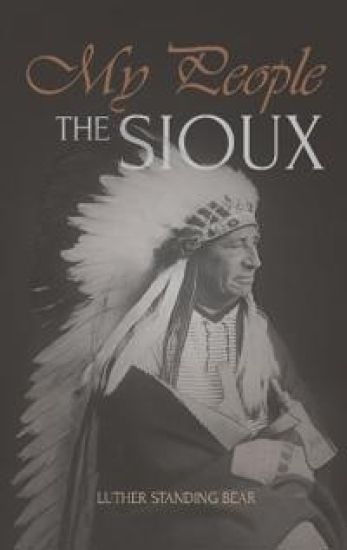

My People The Sioux is a book written by Luther Standing Bear, a member of the Sioux tribe. The book provides a detailed and personal account of the history, culture, and traditions of the Sioux people. Standing Bear shares his own experiences and insights into the lives of the Sioux, including their spiritual beliefs, social structures, and daily practices. The book begins with an overview of Sioux history, from their early days as hunters and gatherers to their struggles with European settlers and the US government. Standing Bear then delves into the unique customs and traditions of the Sioux, including their sacred ceremonies, storytelling, and art. Throughout the book, Standing Bear emphasizes the importance of preserving Sioux culture and traditions in the face of increasing assimilation and modernization. He also offers a critique of Western society and its impact on indigenous peoples. My People The Sioux is a powerful and moving account of a proud and resilient people, written by one of their own. It offers a unique perspective on the Sioux way of life and serves as an important reminder of the importance of cultural diversity and understanding. This is a new release of the original 1928 edition. This scarce antiquarian book is a facsimile reprint of the old original and may contain some imperfections such as library marks and notations. Because we believe this work is culturally important, we have made it available as part of our commitment for protecting, preserving, and promoting the world's literature in affordable, high quality, modern editions, that are true to their original work.
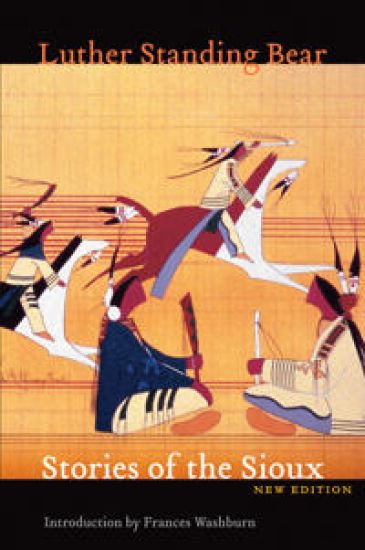
Luther Standing Bear, a Lakota Sioux born in the 1860s, heard these legends in his youth, when his people were being moved to reservations. In haunting mood and imagery, they celebrate the old nomadic life of the Sioux, when buffalo were plentiful and all nature fed the spirit. The twenty stories honor not only the buffalo but also the dog, the horse, the eagle, and the wolf as workaday helpers and agents of divine intervention; the wisdom of the medicine man; and the heroism and resourcefulness of individual men and women.
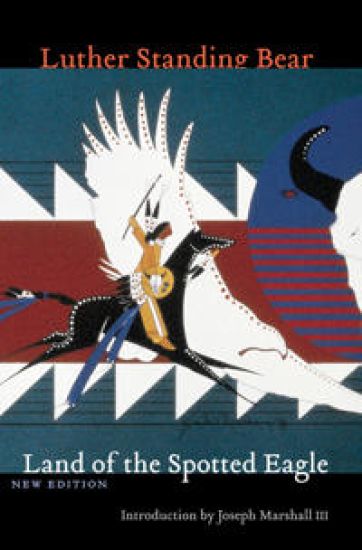
When Standing Bear returned to the Pine Ridge Sioux Reservation after sixteen years' absence, his dismay at the condition of his people may well have served as a catalyst for the writing of this book, first published in 1933. In addition to describing the customs, manners, and traditions of the Teton Sioux, Standing Bear also offered general comments about the importance of Native cultures and values and the status of Indian peoples in American society. With the assistance of Melvin R. Gilmore, curator of ethnology at the University of Michigan, and Warcaziwin, Standing Bear's niece and secretary, Standing Bear sought to tell the white man "just how" they "lived as Lakotans." Land of the Spotted Eagle is generously interspersed with personal reminiscences and anecdotes, including chapters on child rearing, social and political organization, family, religion, and manhood. Standing Bear's views on Indian affairs and his suggestions for the improvement of white-Indian relations are presented in the two closing chapters.
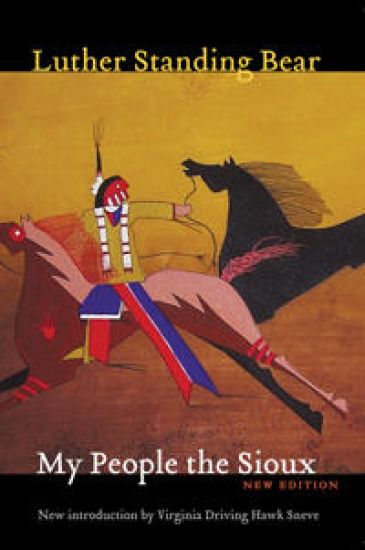
When it was first published in 1928, Luther Standing Bear's autobiographical account of his tribe and tribesmen was hailed by Van Wyck Brooks as "one of the most engaging and veracious we have ever had." It remains a landmark in Indian literature, among the first books about Indians written from the Indian point of view by an Indian. Born in the 1860s, the son of a Lakota chief, Standing Bear was in the first class at Carlisle Indian School, witnessed the Ghost Dance uprising from the Pine Ridge Reservation, toured Europe with Buffalo Bill's Wild West show, and devoted his later years to the Indian rights movement of the 1920s and 1930s.
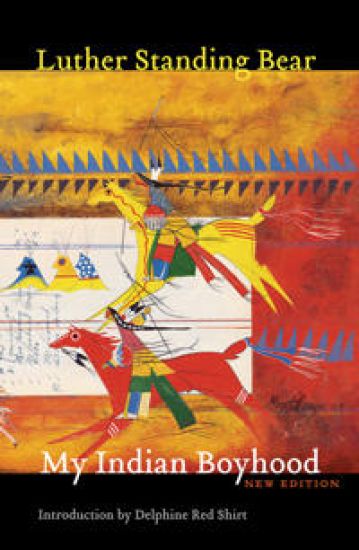
Although the traditional Sioux nation was in its last days when Luther Standing Bear was born in the 1860s, he was raised in the ancestral manner to be a successful hunter and warrior and a respectful and productive member of Sioux society. Known as Plenty Kill, young Standing Bear belonged to the Western Sioux tribe that inhabited present-day North and South Dakota. In My Indian Boyhood he describes the home life and education of Indian children. Like other boys, he played with toy bows and arrows in the tipi before learning to make and use them and became schooled in the ways of animals and in the properties of plants and herbs. His life would be very different from that of his ancestors, but he was not denied the excitement of killing his first buffalo before leaving to attend the Carlisle Indian School in Pennsylvania.
My People the Sioux
Luther Standing Bear; E. A. (EDT) Brininstool; William S. Hart
Kessinger Pub
2006
pokkari