
Kirjailija
Lysias
Kirjat ja teokset yhdessä paikassa: 29 kirjaa, julkaisuja vuosilta 1930–2025, suosituimpiin kuuluu Tropical nature, and other essays. Vertaile teosten hintoja ja tarkista saatavuus suomalaisista kirjakaupoista.
29 kirjaa
Kirjojen julkaisuvuodet: 1930–2025.
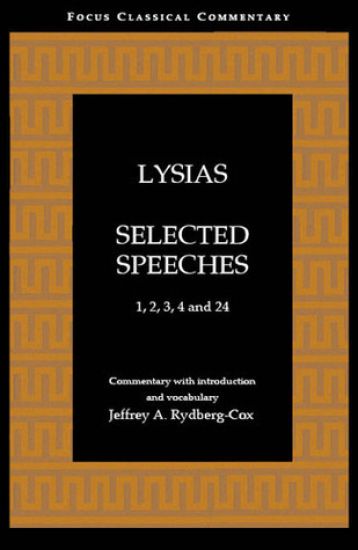
This text is a commentary in the original Greek, with an introductory essay, notes, a complete vocabulary and an introduction to how to use the resources in the Perseus Digital Library. The speeches in this text show the best and worst of Classical Athens, from tawdry affairs aired in the law courts to Athens' heroic self-image portrayed in the funeral Oration, including "On the Murder of Eratosthenes," "Funeral Oration," "Defense Against Simon," "On a Wound by Premeditation," and "On the Refusal of a Pension."
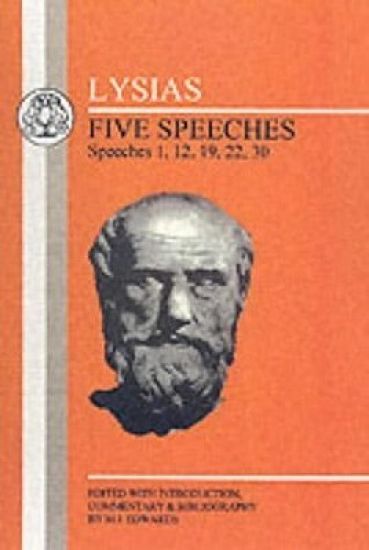
Lysias was one of the leading exponents of the art of speech-writing in the late fifth- and early fourth-century Athens. These five examples of his work cover a range of cases and offer an insight into Athenian society. Their relatively simple language and style make them useful texts for the inexperienced reader of Greek, as well as the more advanced student.
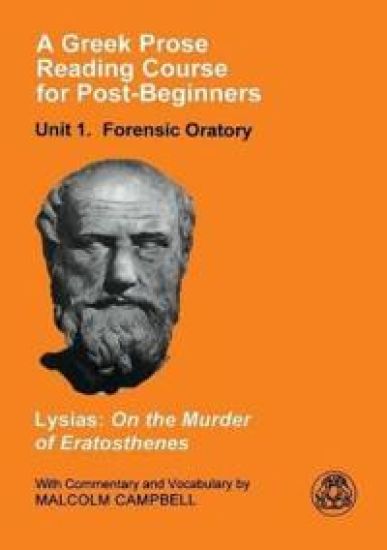
This is part one of a four-part prose reading course designed for beginners in Greek and other learners wishing to consolidate their reading skills. Particular attention is paid to idiomatic usage (both in Greek and English), word order and the use of particles and particle-combinations, while practical guidance is given on mastering the verbal systems and other features of the language which beginners generally find problematic. The four units may be studied in succession as part of a progressive course, but each unit is sufficiently self-contained to permit the persuit of particular interests.
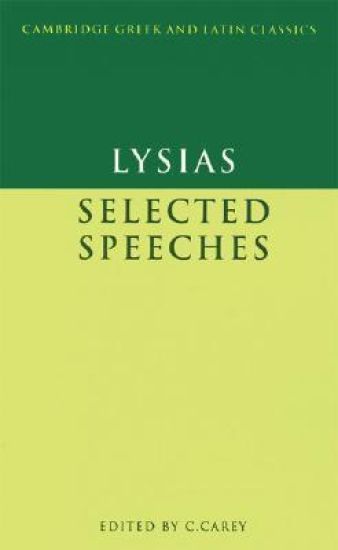
Lysias: Selected Speeches
Lysias
Cambridge University Press
1990
pokkari
Halvin toimitettuna 38,40 €
The Greek prose writer Lysias is a fascinating source for the study of Athenian law, society and history in the late fifth century BC. Six of his professional legal speeches are selected in this new edition, both for their intrinsic interest and because the language is accessible even to the comparative beginner. In his introduction Dr Carey discusses Lysias’ life and place in the evolution of Greek prose style, and the development of Greek rhetoric. He approaches the speeches in terms of their function, as attempts to secure a verdict favourable to the speaker, and assesses how effectively the selection and deployment of arguments promote this end. In the commentary he addresses problems of Lysias’ style and syntax, and textual issues where necessary, but the particular focus is always literary: Lysias’ use of rhetorical devices, his marshalling of fact and argument and his manipulation of contemporary values and prejudices are examined in detail. These speeches are invaluable historical documents and will be of interest to students of ancient history and civilisation, as well as classicists.
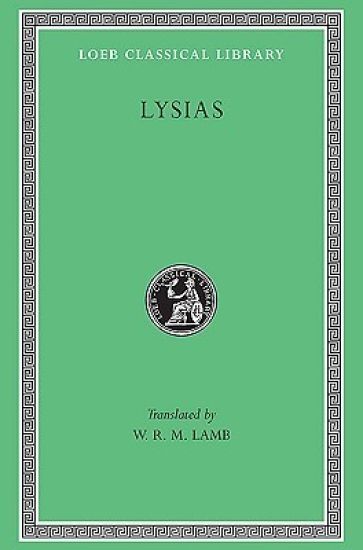
Attic eloquence. Lysias (ca. 458–ca. 380 BC), born at Athens, son of a wealthy Syracusan settled in Attica, lived in Piraeus, where with his brother he inherited his father’s shield factory. Being a loyal supporter of democracy, Lysias took the side of the democrats at Athens against the Thirty Tyrants in 404, supplying shields and money. After one political speech in accusation of Eratosthenes (one of the Thirty) in 405, he became at Athens a busy professional speech writer for the law courts. At the Olympic festival of 388 he denounced, with riotous results, the costly display of the embassy sent by Dionysius I of Syracuse and the domination of Sicily by Dionysius. The surviving speeches of Lysias (about thirty complete out of a very much larger number) are fluent, simple, and graceful in style yet vivid in description. They suggest a passionate partisan who was also a gentle, humorous man. We see in him the art of oratory young and fresh.