Kirjojen hintavertailu – 12 903 725 kirjaa ja 27 kauppaa
Kirjailija
M. Rezaul Islam
Kirjat ja teokset yhdessä paikassa: 16 kirjaa, julkaisuja vuosilta 2010–2026, suosituimpiin kuuluu Sociological Theories of Development. Vertaile teosten hintoja ja tarkista saatavuus suomalaisista kirjakaupoista.
Nimi esiintyy myös muodoissa: M.Rezaul Islam, M Rezaul Islam
This book is an essential resource meticulously designed for social work field placements. It offers students a structured pathway through the intricacies of real-world social work, equipping them with invaluable guidance, knowledge, and practical tools for success. Beginning with foundational concepts such as the meanings and scope of social work, the text progresses seamlessly into specialized topics like data collection, supervision, and challenges in fieldwork practices. Addressing critical aspects of social work field practice, the book delves into the significance of fieldwork, setting clear objectives, ethical considerations, and the roles and responsibilities of social workers. It navigates through diverse assignments and duties, emphasizing ethical dimensions, adaptability, client-centered approaches, and the integration of technology. Chapters on culturally responsive practices and professional skill development underscore essential competencies for effective interventions. With a global perspective, the book integrates examples and case studies from various countries, providing a comprehensive understanding of social work in diverse contexts. Additionally, it includes discussions on agency-level field practice, collaborative goal setting, evidence-based practices, and technology integration, reflecting the evolving landscape of social work and preparing students for contemporary challenges. Emphasis on reflective practice, learning, and report writing enhances students' skills for the transition from field placement to professional practice. Fieldwork in Social Work: A Practical Guide serves as an indispensable tool for both students and practitioners, empowering them to navigate the complexities of social work practice with confidence. Suitable for undergraduate and graduate social work students, it offers essential companionship throughout their fieldwork journey. Social work educators, field instructors, and supervisors will also find value in its structured framework for teaching, guiding, and supporting students. With its global perspective and coverage of emerging trends, the book remains a valuable resource for practitioners seeking to stay updated with the latest developments in the field.
This book is your key to unlocking the power of data in research, decision-making, and policy formulation. This comprehensive guide will equip both beginners and experienced data collectors with essential skills, ethical insights, and the technological expertise needed to thrive in today’s data-driven environment. Serving as your trusted navigator in a world where data is paramount, this book covers everything from choosing the right tools to conducting interviews and addressing ethical concerns. It bridges the gap between theory and practice, ensuring your data collection efforts are rigorous, ethical, and impactful, whether you’re a student, researcher, or professional.
This comprehensive guide takes you through every critical aspect of crafting compelling proposals that command attention. Whether you are an experienced researcher or new to the field, this resource empowers you with practical examples, exercises, and insights from seasoned professionals. Through its pages, you will not only learn the intricacies of proposal writing but also gain the tools to put your newfound knowledge into practice for tangible, successful results. Drawing on the expertise of seasoned researchers, this book provides a treasure trove of best practices and expert advice, empowering you to shape the trajectory of your endeavors. Elevate your proposal-writing skills and achieve success in your academic or professional pursuits with this book.
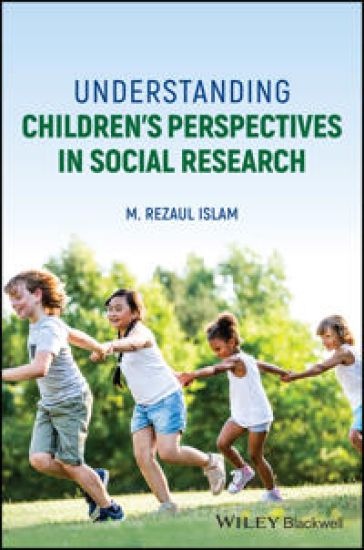
Comprehensive exploration of the intricacies and ethical dimensions involved in conducting research with children Understanding Children's Perspectives in Social Research explores how to conduct ethical and meaningful research involving children, covering research methodologies, practical strategies, and more. The book delves into the historical evolution of children's participation in research and elucidates the ethical foundations rooted in the Convention on the Rights of the Child (CRC) and theoretical frameworks such as social constructivism and children's agency, shedding light on the significance of developmental psychology in shaping research methodologies tailored to different age groups. The book also offers insights into designing child-centric research studies that empower children as active contributors, addressing challenges and emphasizing the importance of informed consent, assent, confidentiality, and creating safe, child-friendly research environments. Furthermore, the book underscores the significance of diverse data collection methods that capture children's voices authentically. It explores child-focused interviews, focus groups that encourage peer interaction, and innovative techniques such as visual methods and digital approaches. The book culminates in discussing the implications of children's perspectives for policy, practice, and societal change. Understanding Children's Perspectives in Social Research includes discussion on: Developing a collaborative environment during research participation and the role of comfort and safety in the ethical well-being of childrenTrust and transparency in parental involvement, understanding and connecting to children through active listening, and using a non-directive style in child-centered conversationsFostering engagement and insights through play and games, amplifying voices through storytelling, and exploring emotions in reflective playEmbracing technological advancements and envisioning an inclusive future that acknowledges the impact of children's perspectives on various spheres of society Covering ethical considerations, research methodologies, practical strategies, and much more, Understanding Children's Perspectives in Social Research serves as a highly valuable guide for researchers, educators, policymakers, and advocates committed to engaging with children's voices in a respectful, ethical, and meaningful manner.
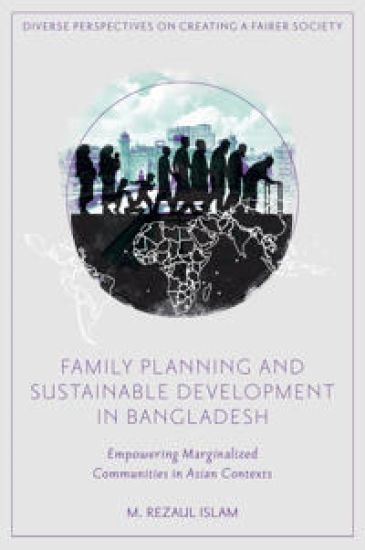
Exploring tailored family planning strategies for marginalized groups, Family Planning and Sustainable Development in Bangladesh delves into comparative insights from Asian contexts, providing actionable approaches to empower and transform communities, foster sustainable development and improve reproductive health outcomes. Featuring comprehensive case studies and analysis from diverse Asian regions and religious communities, M. Rezaul Islam provides readers with a nuanced understanding of family planning strategies tailored to unique cultural contexts. Seamlessly connecting family planning with the Sustainable Development Goals (SDGs), Islam demonstrates its potential for uplifting the most vulnerable communities in Bangladesh and beyond. Dissecting global population trends and cultural influences on family planning, chapters navigate knowledge, attitudes, practices, and communication strategies, unveiling avenues for transformation and sustainable change within Asian communities. Concluding by presenting actionable policy implications that stakeholders can adopt to drive positive change at both community and systemic levels, Family Planning and Sustainable Development in Bangladesh is a powerful addition to the contemporary landscape of global health, development, and social progress.
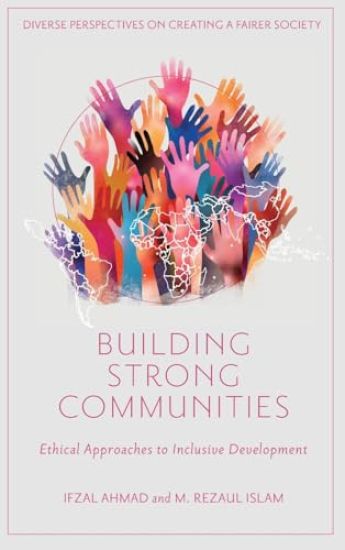
Exploring ethical approaches to inclusive development, Building Strong Communities navigates challenges and strategies, empowering readers to foster resilient, equitable communities in the ever evolving 21st century. Encompassing a wealth of illustrative examples and valuable experiences from different countries around the world, including Canada, Brazil, Sweden, Kenya, China, Australia, Antarctica, India, and more, chapters tackle the mounting necessity for sustainable and equitable development practice. Featuring tools and insights that hold the potential to guide policymakers, practitioners, and scholars alike in the pursuit of nurturing resilient and thriving communities, authors Ifzal Ahmad and M. Rezaul Islam focus on the importance of ethics and inclusivity, offering an interdisciplinary approach, practical frameworks, and impact-driven recommendations for creating thriving communities on a global scale. Illuminating the dynamic interplay between theory and practice, the inclusion of global perspectives showcases the diverse contexts and unique challenges faced by communities around the world, enriching an understanding of community development’s complex landscape. Transcending disciplinary silos and fostering a more comprehensive understanding of community development, Building Strong Communities empowers readers to draw upon multiple perspectives and tools to create meaningful and sustainable change in diverse community contexts and develop holistic solutions that address the interrelated social, economic, environmental, and cultural aspects of community well-being.
This book is an essential resource meticulously designed for social work field placements. It offers students a structured pathway through the intricacies of real-world social work, equipping them with invaluable guidance, knowledge, and practical tools for success. Beginning with foundational concepts such as the meanings and scope of social work, the text progresses seamlessly into specialized topics like data collection, supervision, and challenges in fieldwork practices. Addressing critical aspects of social work field practice, the book delves into the significance of fieldwork, setting clear objectives, ethical considerations, and the roles and responsibilities of social workers. It navigates through diverse assignments and duties, emphasizing ethical dimensions, adaptability, client-centered approaches, and the integration of technology. Chapters on culturally responsive practices and professional skill development underscore essential competencies for effective interventions. With a global perspective, the book integrates examples and case studies from various countries, providing a comprehensive understanding of social work in diverse contexts. Additionally, it includes discussions on agency-level field practice, collaborative goal setting, evidence-based practices, and technology integration, reflecting the evolving landscape of social work and preparing students for contemporary challenges. Emphasis on reflective practice, learning, and report writing enhances students' skills for the transition from field placement to professional practice. Fieldwork in Social Work: A Practical Guide serves as an indispensable tool for both students and practitioners, empowering them to navigate the complexities of social work practice with confidence. Suitable for undergraduate and graduate social work students, it offers essential companionship throughout their fieldwork journey. Social work educators, field instructors, and supervisors will also find value in its structured framework for teaching, guiding, and supporting students. With its global perspective and coverage of emerging trends, the book remains a valuable resource for practitioners seeking to stay updated with the latest developments in the field.
This book examines globalization and urban cultures in Dhaka, the capital of Bangladesh, from a socio-cultural view. It focuses on the evolving nature of urbanity in the city due to globalization and the global flow of information, while framing the changing patterns of everyday cultures and practices. The volume explores key linkages and factors in urban transformation; the history and heritage of Old Dhaka; globalization, diverse urban cultures and ethnic spaces; changes in food habits, clothing, health practices, and recreation; changing forms of festivals, marriages, and religious practices; the situation of indigenous people in Old Dhaka; and the roles that need to be played by NGOs, civil society, and the local government. With its rich ethnographic case studies and field-based evidence, it discusses the relations between technology-driven economic activities and increasing cultural homogenization. It traces developments induced by cultural globalization and includes contemporary debates along with comparisons of Asian and global perspectives. This book will be a useful resource for scholars and researchers of urban studies, city studies, urban sociology, social anthropology, cultural anthropology, political sociology, development studies, South Asian studies and cultural studies, and to those interested in Bangladesh.
This book examines globalization and urban cultures in Dhaka, the capital of Bangladesh, from a socio-cultural view. It focuses on the evolving nature of urbanity in the city due to globalization and the global flow of information, while framing the changing patterns of everyday cultures and practices. The volume explores key linkages and factors in urban transformation; the history and heritage of Old Dhaka; globalization, diverse urban cultures and ethnic spaces; changes in food habits, clothing, health practices, and recreation; changing forms of festivals, marriages, and religious practices; the situation of indigenous people in Old Dhaka; and the roles that need to be played by NGOs, civil society, and the local government. With its rich ethnographic case studies and field-based evidence, it discusses the relations between technology-driven economic activities and increasing cultural homogenization. It traces developments induced by cultural globalization and includes contemporary debates along with comparisons of Asian and global perspectives. This book will be a useful resource for scholars and researchers of urban studies, city studies, urban sociology, social anthropology, cultural anthropology, political sociology, development studies, South Asian studies and cultural studies, and to those interested in Bangladesh.
This pivot examines non-governmental organization (NGO) interventions in two community development initiatives, namely social capital and community empowerment, and their role in funding and formulating development frameworks in developing countries like Bangladesh. It considers the key development discourse issues of collective action, social trust and access to knowledge, to political processes and to financial, social and natural resources. Given the large proportion of foreign funding, NGOs and donors also increasingly face the twin challenges of demonstrating both efficient and effective delivery of services and accountability in their relationships with various stakeholders. Reflecting on the relevance of NGOs for community development, and the merits, challenges and limitations of NGO activities, this book provides a comprehensive study of NGO participation in community development in Bangladesh and Third World countries more widely to highlight a global concern with international implications.
This pivot examines non-governmental organization (NGO) interventions in two community development initiatives, namely social capital and community empowerment, and their role in funding and formulating development frameworks in developing countries like Bangladesh. It considers the key development discourse issues of collective action, social trust and access to knowledge, to political processes and to financial, social and natural resources. Given the large proportion of foreign funding, NGOs and donors also increasingly face the twin challenges of demonstrating both efficient and effective delivery of services and accountability in their relationships with various stakeholders. Reflecting on the relevance of NGOs for community development, and the merits, challenges and limitations of NGO activities, this book provides a comprehensive study of NGO participation in community development in Bangladesh and Third World countries more widely to highlight a global concern with international implications.