Kirjailija
Madame Jeanne Guyon
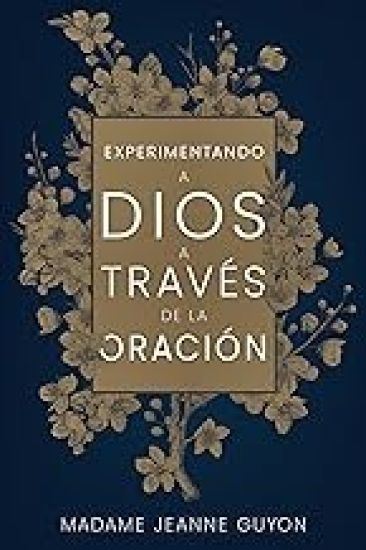
Kirjat ja teokset yhdessä paikassa: 10 kirjaa, julkaisuja vuosilta 2005–2024, suosituimpiin kuuluu Experimentando a Dios a Través de la Oración. Vertaile teosten hintoja ja tarkista saatavuus suomalaisista kirjakaupoista.
10 kirjaa
Kirjojen julkaisuvuodet: 2005–2024.
Etsitkö jännitystä, uusia näkökulmia tai rentouttavaa lukuelämystä? Tutustu kirjakategorioihimme ja löydä seuraava suosikkikirjasi.
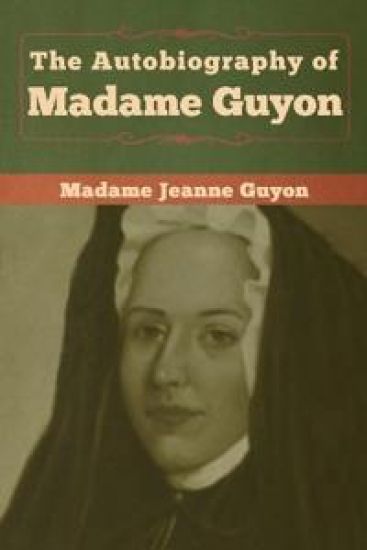
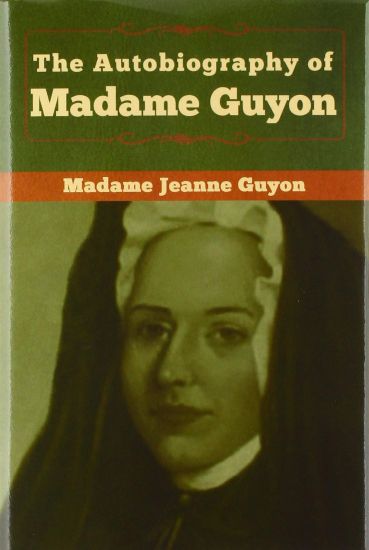
The Autobiography of Madame Jeanne Guyon
Madame Jeanne Guyon
Lulu.com
2022
pokkari
Halvin toimitettuna 29,30 €
Jeanne-Marie Bouvier de la Motte-Guyon, commonly known as Madame Guyon, was a French aristocrat and profound lover of Jesus who lived from 1648 to 1717. She was censured, arrested and imprisoned from 1695 to 1703 after publishing the book, "A Short and Easy Method of Prayer". Guyon became passionate about her growing relationship with God during a time when that very belief was considered heresy. Guyon became convinced that prayer without ceasing was the central action in devoting all of one's life to God. "Prayer is the key of perfection and of sovereign happiness; it is the efficacious means of getting rid of all vices and of acquiring all virtues; for the way to walk in perfection is to live in the presence of God. He tells us this himself: 'walk before Me and be blameless' Genesis 17:1. Prayer alone can bring you into His presence, and keep you there continually". Madame Guyon's seminal work, "A Short and Easy Method of Prayer" has touched the lives of influential Christians for centuries. This volume sheds light on the life and work of one of the greatest teachers of the deeper life in God through prayer.
A Short and Easy Method of Prayer
Madame Jeanne Guyon
Must Have Books
2021
pokkari
Halvin toimitettuna 13,90 €
Jeanne-Marie Bouvier de la Motte-Guyon (commonly known as Madame Guyon), was a French mystic and one of the key advocates of Quietism. Guyon believed that one should pray all the time, and that in whatever one does, one should be spending time with God. "Prayer is the key of perfection and of sovereign happiness; it is the efficacious means of getting rid of all vices and of acquiring all virtues; for the way to become perfect is to live in the presence of God. He tells us this Himself: "walk before me, and be thou perfect" Genesis 17:1. Prayer alone can bring you into His presence, and keep you there continually." As she wrote in one of her poems: "There was a period when I chose, A time and place for prayer ... But now I seek that constant prayer, In inward stillness known ..." Like St. Augustine, St. Thomas Aquinas, Calvin, and Martin Luther, she thought that a person's deliverance can only come from God as an outside source, never from within the person himself or herself. Accordingly, God is supposed to decide who is to be saved, regardless of anyone's efforts or industry. He then, as a result of His own free will, bestows his favor as a gift. This predestination was opposed by the Pelagians, who considered it to be irrational in that God would favor a wicked sinner over a good person.
Jeanne-Marie Bouvier de la Motte-Guyon (commonly known as Madame Guyon, 13 April 1648 - 9 June 1717) was a French mystic and was accused of advocating Quietism, although she never called herself a Quietist (Intellectual stillness and interior passivity). Quietism was considered heretical by the Roman Catholic Church, and she was imprisoned from 1695 to 1703 after publishing the book A Short and Very Easy Method of Prayer. Guyon believed that one should pray at all times, and that one should devote all one's time to God. "Prayer is the key of perfection and of sovereign happiness; it is the efficacious means of getting rid of all vices and of acquiring all virtues; for the way to become perfect is to live in the presence of God. He tells us this Himself: 'walk before Me and be blameless' Genesis 17:1. Prayer alone can bring you into His presence, and keep you there continually." As she wrote in one of her poems: "There was a period when I chose a time and place for prayer. ... But now I seek that constant prayer, in inward stillness known ..." In the Christian dispute regarding grace and works, Guyon defended the belief that salvation is the result of grace rather than works. Like St. Augustine, St. Thomas Aquinas, Calvin, and Martin Luther, she thought that a person's deliverance can only come from God as an outside source, never from within the person himself or herself. As a result of His own free will, God bestows his favour as a gift. This predestination was opposed by Pelagians, who considered it to be irrational in that God would favour a wicked sinner over a good person. However, according to the atheist Schopenhauer, describing this controversy, "if it were works, springing from motives and deliberate intention, that led to the blissful state, then, however we may turn it, virtue would always be only a prudent, methodical, far-seeing egoism. ... Works ...can never justify, because they are always an action from motives." In her autobiography, for example, Madame Guyon criticized self-righteous people who try to gain heaven through their works. She praised lowly sinners who merely submitted themselves to God's will. Of the so-called righteous, she wrote: "the righteous person, supported by the great number of works of righteousness he presumes to have done, seems to hold his salvation in his own hands, and regards heaven as the recompense due to his merits.... His Saviour is, for him, almost useless. "These 'righteous persons' expect God to save them as a reward for their good works." In contrast to the self-sufficient, "righteous" egoists, the sinners who have selflessly submitted to God "are carried swiftly by the wings of love and confidence into the arms of their Saviour, who gives them gratuitously what He has infinitely merited for them". God's "bounties are effects of His will, and not the fruits of our merits." (wikipedia.org)

A collection of five inspiring essays by three closely linked mystical thinkers of the seventeenth century--Fran ois F nelon, Madame Jeanne Guyon, and P re Lacombe--whose focus on the availability of intimacy with God made them scandalous in their day. "Christian Counsel" and "Spiritual Letters," by Archbishop F nelon, offer wise advice on how to find the keys to true devotion and peace. "Method of Prayer" and "On the Way to God," by F nelon's close friend, Madame Guyon, demonstrate the critical importance of constant prayer. "Spiritual Maxims," by P re Lacombe, the spiritual mentor of Madame Guyon, emphasizes the importance of expressing a passionate love for God. Each stirring work is divided into short chapters, making Spiritual Progress ideal for morning or evening devotions or for Bible study. This treasured collection of classic Christian wisdom is certain to lead readers closer to the heart of God.
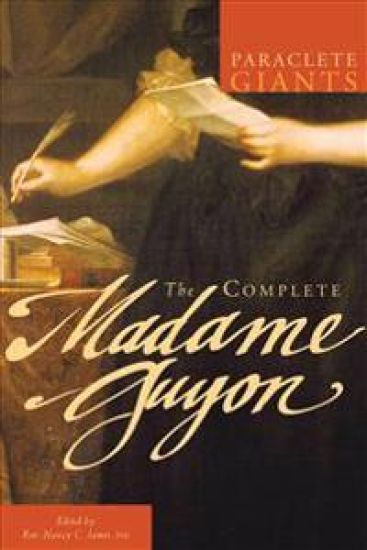
The Complete Madame Guyon
Madame Jeanne Guyon
Paraclete Press
2011
pokkari
Halvin toimitettuna 31,70 €
Guyon’s theology and spiritual writing opened new doors to people from all walks of life who yearned for spiritual joy and wisdom. These new translations include her popular A Short and Easy Method of Prayer, as well as her biblical commentary on the Song of Songs, where poetic imagery comes to life with its refreshing sense of God’s desire to join with all humanity. Guyon always writes of the pure love of God, like a human kiss, that leads to the fulfilling union with the divine. The Complete Madame Guyon also presents examples of her passionate poetry, some of which has never before been translated into English. Guyon expresses the range of feelings involved with living in a relationship with God and her ideas about the real involvement of the divine within the human heart. Nancy James’s historical introduction explains the events of Guyon’s life first as an aristocratic wife and mother of five, and later as a widow traveling around Europe as an author, who ended up incarcerated in the Bastille by the direct order of Louis XIV. Guyon suffered ten years of incarceration, along with accusations of heresy. Cleared of all of charges at the end of her life, in all of her writing Madame Guyon testified to the goodness and holiness of God. Guyon’s prolific writings include:A commentary on every book in the Bible Her lengthy Justifications, detailing her defense of her orthodoxyThe essence of her theology encapsulated in A Short and Easy Method of Prayer and her Commentary on the Song of Songs, identified by the 17th century Catholic Inquisition correctly as Guyon’s crucial thought, and placed on the Index of Forbidden Books. Today spiritual readers will benefit from Madame Guyon's most expressive and clear thoughts on the power of loving God in her two classic books A Short and Easy Method of Prayer and her Commentary on the Song of Songs.
Experiencing God Through Prayer
Madame Jeanne Guyon
Whitaker House,U.S.
2005
pokkari
Halvin toimitettuna 19,10 €
In this upbeat, abridged edition of the classic, Jeanne Guyon explains the great difference between praying to God and experiencing God through prayer.