Kirjojen hintavertailu – 12 903 724 kirjaa ja 27 kauppaa

Kirjailija

Madhav Khosla

Kirjat ja teokset yhdessä paikassa: 3 kirjaa, julkaisuja vuosilta 2012–2026, suosituimpiin kuuluu Comparative Constitutional Law. Vertaile teosten hintoja ja tarkista saatavuus suomalaisista kirjakaupoista.

3 kirjaa

Kirjojen julkaisuvuodet: 2012–2026.

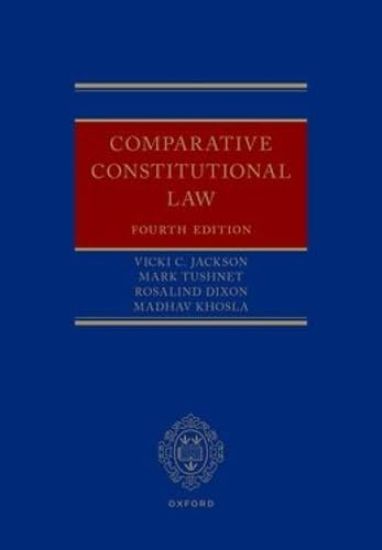
Comparative Constitutional Law

Comparative Constitutional Law

Mark Tushnet; Vicki C. Jackson; Rosalind Dixon; Madhav Khosla

OXFORD UNIVERSITY PRESS INC
2026
sidottu
Designed for use in law school courses, Comparative Constitutional Law introduces fundamental debates on the nature of constitutions, constitutional comparison, and the relationships between constitutions and constitutionalism in its various forms. The book explores how constitutions are made and changed, including recent applications of "unconstitutional constitutional amendment" doctrines, and the role of different institutions - legislatures, executives, publics, as well as courts - in constitutional interpretation and constitutional change. Following a detailed study of the structure and interpretive approaches of national apex courts that decide constitutional questions, the book goes on to consider six subject areas of importance in contemporary constitutionalism: separation of powers and emergencies; federalism and related consociational constitutional arrangements; equality and pluralism; religion; free expression; and positive rights or duties. Including excerpts of cases and scholarly material from the Global South, Europe, and North America, this volume emphasizes the need to understand the broader sociolegal contexts in which constitutional design and decisions occur. In response to growing trends of democratic retrogression in courts around the world, this new edition provides expanded coverage of abusive constitutionalism, authoritarianism, and illiberalism. It additionally offers insightful discussions on constitutional actors' responses to the COVID-19 pandemic; gender and LGBTQ+ equality issues; and indigenous peoples' rights and environmental rights. Providing an overview of constitutional law that is both comprehensive and accessible, the fourth edition of Comparative Constitutional Law is an invaluable resource for law students and academics.
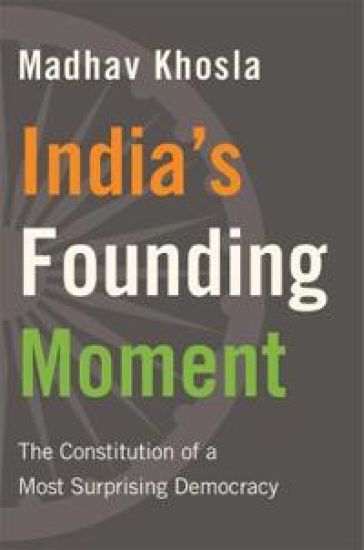
India’s Founding Moment

India’s Founding Moment

Madhav Khosla

Harvard University Press
2020
sidottu
An Economist Best Book of the YearHow India’s Constitution came into being and instituted democracy after independence from British rule. Britain’s justification for colonial rule in India stressed the impossibility of Indian self-government. And the empire did its best to ensure this was the case, impoverishing Indian subjects and doing little to improve their socioeconomic reality. So when independence came, the cultivation of democratic citizenship was a foremost challenge. Madhav Khosla explores the means India’s founders used to foster a democratic ethos. They knew the people would need to learn ways of citizenship, but the path to education did not lie in rule by a superior class of men, as the British insisted. Rather, it rested on the creation of a self-sustaining politics. The makers of the Indian Constitution instituted universal suffrage amid poverty, illiteracy, social heterogeneity, and centuries of tradition. They crafted a constitutional system that could respond to the problem of democratization under the most inhospitable conditions. On January 26, 1950, the Indian Constitution—the longest in the world—came into effect. More than half of the world’s constitutions have been written in the past three decades. Unlike the constitutional revolutions of the late eighteenth century, these contemporary revolutions have occurred in countries characterized by low levels of economic growth and education, where voting populations are deeply divided by race, religion, and ethnicity. And these countries have democratized at once, not gradually. The events and ideas of India’s Founding Moment offer a natural reference point for these nations where democracy and constitutionalism have arrived simultaneously, and they remind us of the promise and challenge of self-rule today.
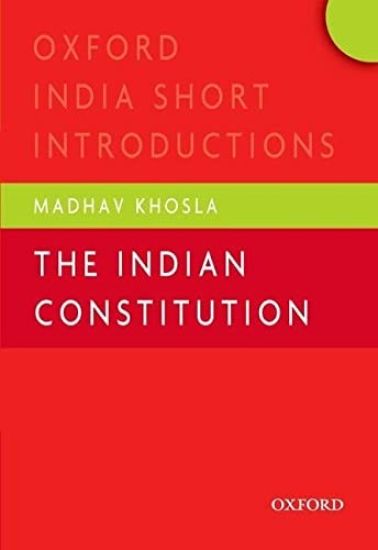
The Indian Constitution

The Indian Constitution

Madhav Khosla

OUP India
2012
nidottu
Giving identity to over a billion people, the Indian Constitution is one of the world's great political texts. Drafted over six decades ago, its endurance and operation have fascinated and surprised many. In this short introduction, Madhav Khosla brings to light its many features, aspirations, and controversies. How does the Constitution separate power between different political actors? What form of citizenship does it embrace? And how can it change? In answering questions such as these, Khosla unravels the document's remarkable and challenging journey, inviting readers to reflect upon the theory and practice of constitutionalism in the world's largest democracy.