Kirjojen hintavertailu – 12 903 725 kirjaa ja 27 kauppaa

Kirjailija

Madina Tlostanova

Kirjat ja teokset yhdessä paikassa: 8 kirjaa, julkaisuja vuosilta 2017–2024, suosituimpiin kuuluu Postcolonialism and Postsocialism in Fiction and Art. Vertaile teosten hintoja ja tarkista saatavuus suomalaisista kirjakaupoista.

8 kirjaa

Kirjojen julkaisuvuodet: 2017–2024.

Narratives of Unsettlement

Narratives of Unsettlement

Madina Tlostanova

TAYLOR FRANCIS LTD
2024
nidottu
This book uses an interdisciplinary inter-mediational approach to reflect on the relational complexity of unsettlement as a predominant sensibility of the present époque. The book tackles interrelated aspects of unsettlement including temporality, the disconcerting effects of the Anthropocene, the biomedical facets of unsettlement, and the post-pandemic futures. It uses a chimeric approach combining essayistic and speculative fiction writing methods, negotiating rational, affective and imaginative ways of inquiry, and showing rather than merely explaining. The book poses questions, but gives no ready-made answers, and invites us to think together on the unsettlement as a negatively global human condition that can be collectively made into a generative move of resurgence and refuturing. Contributing to critical reflections on the main features and sensibilities of the current époque, the book will be of interest to scholars and undergraduate and graduate students, as well as the general public, interested in critical global and future perspectives, in decolonial research, gender studies, and posthumanities.
Narratives of Unsettlement

Narratives of Unsettlement

Madina Tlostanova

TAYLOR FRANCIS LTD
2023
sidottu
This book uses an interdisciplinary inter-mediational approach to reflect on the relational complexity of unsettlement as a predominant sensibility of the present époque. The book tackles interrelated aspects of unsettlement including temporality, the disconcerting effects of the Anthropocene, the biomedical facets of unsettlement, and the post-pandemic futures. It uses a chimeric approach combining essayistic and speculative fiction writing methods, negotiating rational, affective and imaginative ways of inquiry, and showing rather than merely explaining. The book poses questions, but gives no ready-made answers, and invites us to think together on the unsettlement as a negatively global human condition that can be collectively made into a generative move of resurgence and refuturing. Contributing to critical reflections on the main features and sensibilities of the current époque, the book will be of interest to scholars and undergraduate and graduate students, as well as the general public, interested in critical global and future perspectives, in decolonial research, gender studies, and posthumanities.
A New Political Imagination

A New Political Imagination

Tony Fry; Madina Tlostanova

TAYLOR FRANCIS LTD
2022
nidottu
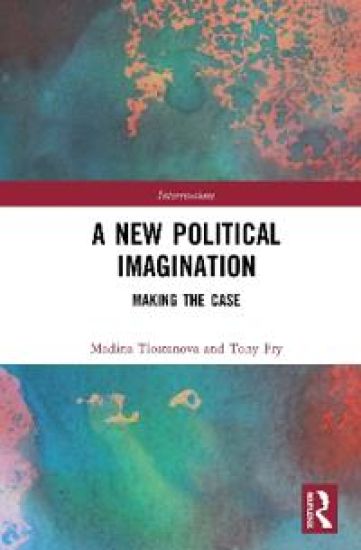
The book presents the case for the making of a new political imagination by offering a critique of existing political institutions, philosophy and practices that are unable to provide the thinking, means and leadership to deal with the complexity and crises of specific locales and the world at large. The authors make clear that there is a fundamental disjuncture between the complexity of the combined critical conditions that are now putting life on Earth at risk, and the divisions and theories of knowledge that are dominantly and instrumentally trying to understand the situation. In response, this work makes the case for the need for a new political imagination that rejects the sufficiency of existing political ideologies (including democracy) being the end point of politics. The book tackles the political underpinnings of social and economic life in a world still embedded in the inequities of the afterlife of colonialism and state socialism. Thereafter it engages narratives of change, rethinks imagination and critical practices, to finally present a relationally connected way to move forward. This trans-disciplinary volume is directed at those working in political philosophy and epistemology, critical global and security studies, decoloniality and postcolonial studies, design, critical anthropology and the post humanities. It is accessible to both academic audiences and activists and practitioners.
A New Political Imagination

A New Political Imagination

Tony Fry; Madina Tlostanova

Routledge
2020
sidottu
The book presents the case for the making of a new political imagination by offering a critique of existing political institutions, philosophy and practices that are unable to provide the thinking, means and leadership to deal with the complexity and crises of specific locales and the world at large. The authors make clear that there is a fundamental disjuncture between the complexity of the combined critical conditions that are now putting life on Earth at risk, and the divisions and theories of knowledge that are dominantly and instrumentally trying to understand the situation. In response, this work makes the case for the need for a new political imagination that rejects the sufficiency of existing political ideologies (including democracy) being the end point of politics. The book tackles the political underpinnings of social and economic life in a world still embedded in the inequities of the afterlife of colonialism and state socialism. Thereafter it engages narratives of change, rethinks imagination and critical practices, to finally present a relationally connected way to move forward. This trans-disciplinary volume is directed at those working in political philosophy and epistemology, critical global and security studies, decoloniality and postcolonial studies, design, critical anthropology and the post humanities. It is accessible to both academic audiences and activists and practitioners.
What Does It Mean to Be Post-Soviet?

What Does It Mean to Be Post-Soviet?

Madina Tlostanova

Duke University Press
2018
sidottu
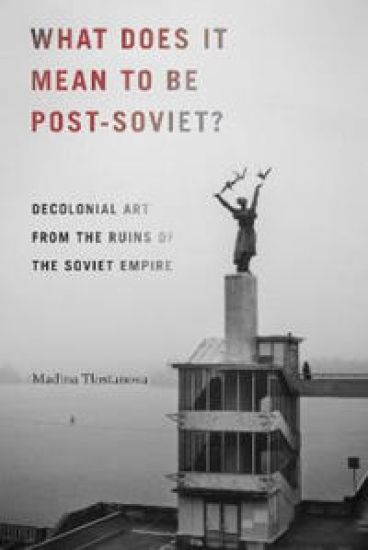
In What Does It Mean to Be Post-Soviet? Madina Tlostanova traces how contemporary post-Soviet art mediates this human condition. Observing how the concept of the happy future-which was at the core of the project of Soviet modernity-has lapsed from the post-Soviet imagination, Tlostanova shows how the possible way out of such a sense of futurelessness lies in the engagement with activist art. She interviews artists, art collectives, and writers such as Estonian artist Liina Siib, Uzbek artist Vyacheslav Akhunov, and Azerbaijani writer Afanassy Mamedov who frame the post-Soviet condition through the experience and expression of community, space, temporality, gender, and negotiating the demands of the state and the market. In foregrounding the unfolding aesthesis and activism in the post-Soviet space, Tlostanova emphasizes the important role that decolonial art plays in providing the foundation upon which to build new modes of thought and a decolonial future.
What Does It Mean to Be Post-Soviet?

What Does It Mean to Be Post-Soviet?

Madina Tlostanova

Duke University Press
2018
pokkari
In What Does It Mean to Be Post-Soviet? Madina Tlostanova traces how contemporary post-Soviet art mediates this human condition. Observing how the concept of the happy future-which was at the core of the project of Soviet modernity-has lapsed from the post-Soviet imagination, Tlostanova shows how the possible way out of such a sense of futurelessness lies in the engagement with activist art. She interviews artists, art collectives, and writers such as Estonian artist Liina Siib, Uzbek artist Vyacheslav Akhunov, and Azerbaijani writer Afanassy Mamedov who frame the post-Soviet condition through the experience and expression of community, space, temporality, gender, and negotiating the demands of the state and the market. In foregrounding the unfolding aesthesis and activism in the post-Soviet space, Tlostanova emphasizes the important role that decolonial art plays in providing the foundation upon which to build new modes of thought and a decolonial future.
Postcolonialism and Postsocialism in Fiction and Art

Postcolonialism and Postsocialism in Fiction and Art

Madina Tlostanova

Springer International Publishing AG
2018
nidottu
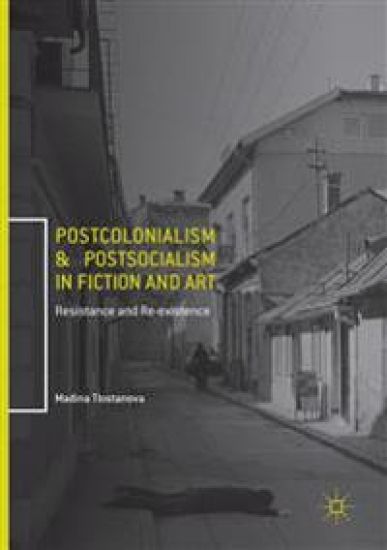
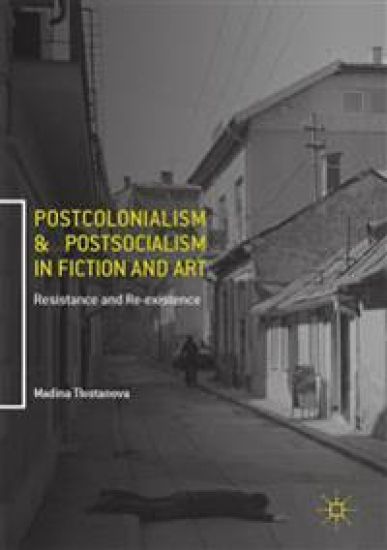
This book tackles the intersections of postcolonial and postsocialist imaginaries and sensibilities focusing on the ways they are reflected in contemporary art, fiction, theater and cinema. After the defeat of the Socialist modernity the postsocialist space and its people have found themselves in the void. Many elements of the former Second world experience, echo the postcolonial situations, including subalternization, epistemic racism, mimicry, unhomedness and transit, the revival of ethnic nationalisms and neo-imperial narratives, neo-Orientalist and mutant Eurocentric tendencies, indirect forms of resistance and life-asserting modes of re-existence. Yet there are also untranslatable differences between the postcolonial and the postsocialist human conditions. The monograph focuses on the aesthetic principles and mechanisms of sublime, the postsocialist/postcolonial decolonization of museums, the perception and representation of space and time through the tempolocalities of post-dependence, the anatomy of characters-tricksters with shifting multiple identities, the memory politics of the post-traumatic conditions and ways of their overcoming.
Postcolonialism and Postsocialism in Fiction and Art

Postcolonialism and Postsocialism in Fiction and Art

Madina Tlostanova

Springer International Publishing AG
2017
sidottu
This book tackles the intersections of postcolonial and postsocialist imaginaries and sensibilities focusing on the ways they are reflected in contemporary art, fiction, theater and cinema. After the defeat of the Socialist modernity the postsocialist space and its people have found themselves in the void. Many elements of the former Second world experience, echo the postcolonial situations, including subalternization, epistemic racism, mimicry, unhomedness and transit, the revival of ethnic nationalisms and neo-imperial narratives, neo-Orientalist and mutant Eurocentric tendencies, indirect forms of resistance and life-asserting modes of re-existence. Yet there are also untranslatable differences between the postcolonial and the postsocialist human conditions. The monograph focuses on the aesthetic principles and mechanisms of sublime, the postsocialist/postcolonial decolonization of museums, the perception and representation of space and time through the tempolocalities of post-dependence, the anatomy of characters-tricksters with shifting multiple identities, the memory politics of the post-traumatic conditions and ways of their overcoming.