
Kirjojen hintavertailu – 12 903 725 kirjaa ja 27 kauppaa

Kirjailija

Madonna Stinson

Kirjat ja teokset yhdessä paikassa: 2 kirjaa, julkaisuja vuosilta 2009–2010, suosituimpiin kuuluu Drama and Curriculum. Vertaile teosten hintoja ja tarkista saatavuus suomalaisista kirjakaupoista.

2 kirjaa

Kirjojen julkaisuvuodet: 2009–2010.

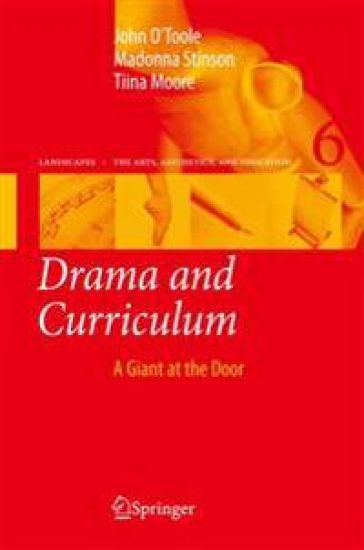
Drama and Curriculum

Drama and Curriculum

John O'Toole; Madonna Stinson; Tiina Moore

Springer
2010
nidottu
‘Here’s a knocking indeed!’ says the Porter in Shakespeare’s Scottish play (Act II, Scene 3) and immediately puts himself into role in order to deal with the demands of such an early call after a late night of drinking and carousal: ‘If a man were porter of hell-gate...’. But what roles does the porter of curriculum-gate take on in order to deal with drama’s persistent demands for entry? Ah, that depends upon the temperature of the times. We, who have been knocking for what seems to be a very long time, know well that when evaluation and measurement criteriaare demanded as evidence of drama’s ef cacy, an examiner stands as gatekeeper. When the educational landscape is in danger of overcrowding, we meet a territorial governor. And how often has the courtesan turned out to be only a tease because the arts are, for a brief moment, in the spotlight for their abilities to foster out-of-the-box thinkers? In this text, we meet these ‘commissionaires’ and many more. The gatekeeping roles and what they represent are so familiar that they have become cliches ´ to us. We know them by their arguments, ripostes, dismissals, their brief encouragement and lack of follow-up. And we know that behind each one (however rmly they think they keep the keys) is a nancial and political master whose power controls the curriculum building and everything in it.
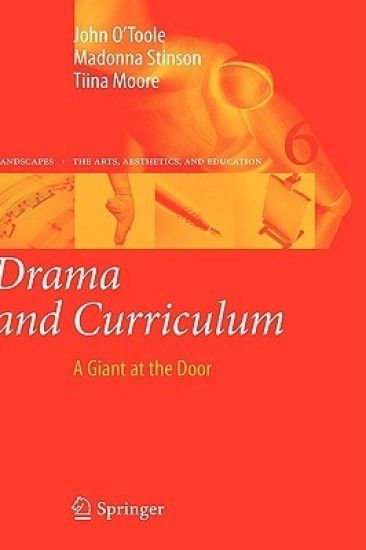
Drama and Curriculum

Drama and Curriculum

John O'Toole; Madonna Stinson; Tiina Moore

Springer-Verlag New York Inc.
2009
sidottu
‘Here’s a knocking indeed!’ says the Porter in Shakespeare’s Scottish play (Act II, Scene 3) and immediately puts himself into role in order to deal with the demands of such an early call after a late night of drinking and carousal: ‘If a man were porter of hell-gate...’. But what roles does the porter of curriculum-gate take on in order to deal with drama’s persistent demands for entry? Ah, that depends upon the temperature of the times. We, who have been knocking for what seems to be a very long time, know well that when evaluation and measurement criteriaare demanded as evidence of drama’s ef cacy, an examiner stands as gatekeeper. When the educational landscape is in danger of overcrowding, we meet a territorial governor. And how often has the courtesan turned out to be only a tease because the arts are, for a brief moment, in the spotlight for their abilities to foster out-of-the-box thinkers? In this text, we meet these ‘commissionaires’ and many more. The gatekeeping roles and what they represent are so familiar that they have become cliches ´ to us. We know them by their arguments, ripostes, dismissals, their brief encouragement and lack of follow-up. And we know that behind each one (however rmly they think they keep the keys) is a nancial and political master whose power controls the curriculum building and everything in it.