Kirjojen hintavertailu – 12 859 818 kirjaa ja 27 kauppaa

Kirjailija

Mads Rosendahl Thomsen

Kirjat ja teokset yhdessä paikassa: 8 kirjaa, julkaisuja vuosilta 2008–2024, suosituimpiin kuuluu Tænkepauser 109-120. Vertaile teosten hintoja ja tarkista saatavuus suomalaisista kirjakaupoista.

8 kirjaa

Kirjojen julkaisuvuodet: 2008–2024.

Tænkepauser 109-120

Tænkepauser 109-120

Mads Rosendahl Thomsen; Carsten Andersen; Pernille Hermann; Asser Hedegård Thomsen; Kjeld Hermansen; Bo Holm Jacobsen; Peter Gall Krogh; Poul Duedahl; Peter Løchte Jørgensen; Ditte Alexandra Winther-Lindqvist; Rikke Sand Andersen og Henrik Marstal

Aarhus Universitetsforlag
2024
nidottu
Tænkepauser er bogserien, hvor topforskere fra Aarhus Universitet formidler deres viden om centrale emner som frihed, netværk og tillid. Idéen er at kanalisere forskningen ud til nye målgrupper og ind i hverdagens pauser - fra sofahjørnet til løbeturen. Hver bog er lækkert designet og udstråler den kæmpemæssige begejstring, som forskerne har for deres emne. Kombineret med lettilgængeligt sprog, en overskuelig længde og en ofte humoristisk tone gør det serien til en intet mindre end fremragende formidling af vigtig viden, som ellers ofte kun skrives af fagfolk for fagfolk.

Ny kulturteori

Ny kulturteori

Karen Hvidtfeldt Madsen; Hans Lauge Hansen; Christian Borch; Henrik Kaare Nielsen; Bjørn Schiermer Andersen; Birgit Eriksson; Mikkel Bolt Rasmussen; Britta Timm Knudsen; Kristine Samson; Carsten Stage; Garbi Schmidt; Lars Tønder; Mikkel Bille; Tim Flohr Sørensen; Mads Rosendahl Thomsen; Jacob Lund; Louise Fabian; Jan Løhmann Stephensen; Mette Sandbye; Erik Svendsen; Lotte Philipsen; Thomas Markussen; Peter Mortensen; Nina Lykke; Devika Sharma; Camilla Møhring Reestorff; Malene Vest Hansen; Christina Jerne

Gyldendal
2019
sidottu
Ny kulturteori præsenterer samtidens væsentlige kulturteoretiske strømninger. Bogen kan læses som en bredtfavnende introduktion til aktuel kulturteori. Eller den kan læses som en teoretisk opdateret introduktion til temaer, der er vigtige i den aktuelle kultur. Ny kulturteori er en teoretisk grundbog, men teorierne leverer også inspiration, begreber og redskaber til analyse af aktuelle kulturelle fænomener. Alle bogens 25 kapitler supplerer teorierne med konkrete eksempler. Samlet giver de en omfattende, nuanceret og opdateret viden om nye strømninger og aktuelle temaer på det kulturteoretiske felt. Kultur kan ikke betragtes løsrevet fra andre samfundsmæssige fænomener, og kulturteori er afgørende for at forstå politiske, økonomiske og sociale aspekter af vores samtid. "Kulturteori" præsenteres her som teoridannelser, der kan skabe ny indsigt og refleksion i de dele af humaniora og samfundsvidenskaberne, der er optaget af samtidens kulturproduktion, smal eller bred. Alle kapitlerne er skrevet af eksperter, som har stræbt mod at præsentere de aktuelle begreber, tendenser og diskussioner på en nuanceret og tilgængelig måde. Hvert kapitel ledsages af anbefalinger til videre læsning og er også i den forstand en indgang til videre fordybelse og udforskning. Bogen er redigeret af Birgit Eriksson, professor i kulturstudier ved Institut for Kommunikation og Kultur på Aarhus Universitet og af Bjørn Schiermer, professor i sociologi på Institutt for sosiologi og samfunnsgeografi på Oslo Universitet.
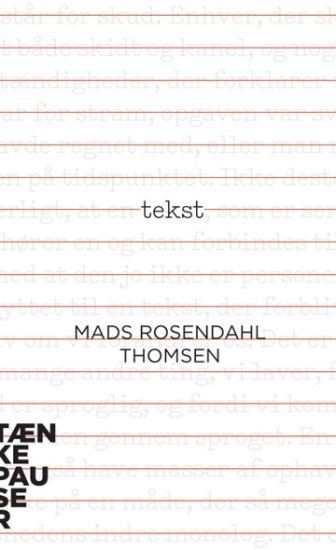
Tekst

Tekst

Mads Rosendahl Thomsen

Aarhus Universitetsforlag
2023
nidottu

Halvin toimitettuna 14,30 €

Ord skaber mening, ligesom klæder skaber folk. Glemmer vi kommaet i en ansøgning, og rimer vi falsk i en bryllupssang, skriver andre det sig bag øret. Trods internettets billedstorme er der nemlig ingen tegn på, at skriften går i glemmebogen. For ord siger tusindfold, og tekster gør os civiliserede, fortæller ordkløvende litteraturhistoriker Mads Rosendahl Thomsen. Han grifler løs om taleskrivere og romanforfattere, der udfolder ideer og fremmaner verdener i essays og romaner. Nu har vi givet ordet til robotterne. Og hvad de gør med teksten, er en historie, der endnu ikke er skrevet.
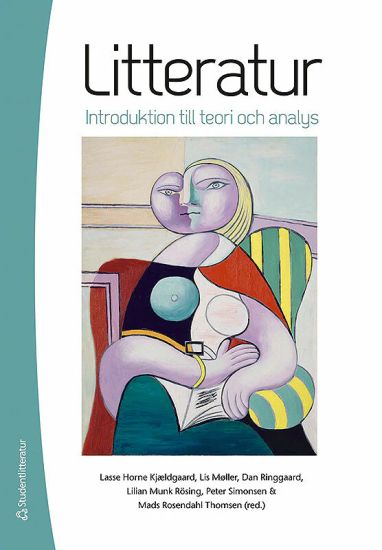
Litteratur - Introduktion till teori och analys

Litteratur - Introduktion till teori och analys

Lasse Horne Kjaeldgaard; Lis Møller; Dan Ringgard; Lilian Munk Rösing; Mads Rosendahl Thomsen; Peter Simonsen

Studentlitteratur AB
2015
nidottu
Det litteraturanalytiska arbetet är i dag problembaserat, snarare än format av en specifik teori eller metod. Därför har författarna till den här boken valt bort ett traditionellt kronologiskt upplägg där olika teorier presenteras i tur och ordning och i stället delat in boken i ett trettiotal aktuella teman och problemställningar. Författarna baserar sina kapitel på den senaste forskningen och presenterar litteraturvetenskapens centrala problem och redskap genom ett växelspel mellan teoretiska utmaningar och analytiska insikter. Boken ger konkreta uppslag och idéer och fungerar både som utmärkt utgångspunkt för litteraturstudier i vidare mening och för specifikt litteraturvetenskapliga kurser i teori och metod vid universitet och högskolor. Den fungerar dessutom väl som inspirationskälla och uppslagsbok i uppsatsarbete från grund- till magisternivå.
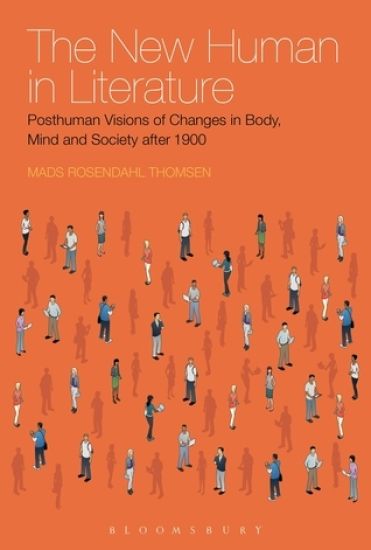
The New Human in Literature

The New Human in Literature

Mads Rosendahl Thomsen

Bloomsbury Academic
2015
nidottu
Twentieth-century literature changed understandings of what it meant to be human. Mads Rosendahl Thomsen, in this historical overview, presents a record of literature's changing ideas of mankind, questioning the degree to which literature records and creates visions of the new human. Grounded in the theory of Niklas Luhmann and drawing on canonical works, Thomsen uses literary changes in the mind, body and society to define the new human. He begins with the modernist minds of Virginia Woolf, Williams Carlos Williams and Louis-Ferdinand Celine's, discusses the society-changing concepts envisioned by Chinua Achebe, Mo Yan and Orhan Pamuk. He concludes with science fiction, discussing Don DeLillo and Michel Houellebecq's ideas of revolutionizing man through biotechnology. This is a study about imagination, aesthetics and ethics that demonstrates literature's capacity to not only imagine the future but portray the conflicting desires between individual and various collectives better than any other media. A study that heightens reflections on human evolution and posthumanism.
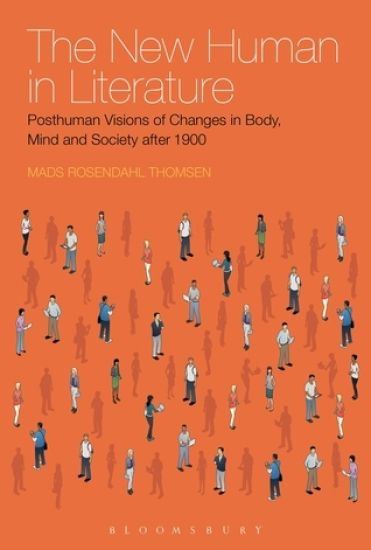
The New Human in Literature

The New Human in Literature

Mads Rosendahl Thomsen

Bloomsbury Academic USA
2013
sidottu
Twentieth-century literature changed understandings of what it meant to be human. Mads Rosendahl Thomsen, in this historical overview, presents a record of literature's changing ideas of mankind, questioning the degree to which literature records and creates visions of the new human. Grounded in the theory of Niklas Luhmann and drawing on canonical works, Thomsen uses literary changes in the mind, body and society to define the new human. He begins with the modernist minds of Virginia Woolf, Williams Carlos Williams and Louis-Ferdinand Celine's, discusses the society-changing concepts envisioned by Chinua Achebe, Mo Yan and Orhan Pamuk. He concludes with science fiction, discussing Don DeLillo and Michel Houellebecq's ideas of revolutionizing man through biotechnology. This is a study about imagination, aesthetics and ethics that demonstrates literature's capacity to not only imagine the future but portray the conflicting desires between individual and various collectives better than any other media. A study that heightens reflections on human evolution and posthumanism.
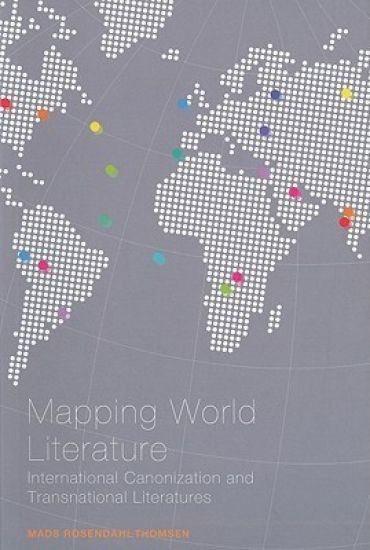
Mapping World Literature

Mapping World Literature

Mads Rosendahl Thomsen

Continuum Publishing Corporation
2010
nidottu
Thomsen develops the concept of constellations of books based on particular formal and thematic traits and shows how this works in relation to literature written by migrant writers and literature on genocides, wars and catastrophes. "Mapping World Literature" explores the study of literature and literary history in light of global changes, looking at what defines world literature in the 21st century. Surveying ideas of literature from Goethe to the present, Thomsen devises a compelling concept of literary constellations. He discusses a wide-range of critical positions, identifies the limits of comparative and post-colonial approaches and examines two specific cases: literature written by migrant writers and the literature of genocide, war and disaster. "Mapping World Literature" captures new ways of understanding the patterns and trends that emerge in literature, opening up and inspiring research to map patterns in the field.
Mapping World Literature

Mapping World Literature

Mads Rosendahl Thomsen

BLOOMSBURY PUBLISHING PLC
2008
sidottu
Thomsen develops the concept of constellations of books based on particular formal and thematic traits and shows how this works in relation to literature written by migrant writers and literature on genocides, wars and catastrophes." Mapping World Literature" explores the study of literature and literary history in the light of globalization and argues that international canonization of books and authors can be used as an instrument for textual analysis of world literature. Thomsen uses a distinctive method in combining the concept of literary constellations and canonization, which allows for literary analysis that balances the formal and thematic elements of texts with their impact on the international literary scene. This is introduced through an overview of the concept of world literature including a discussion of present critical positions and then a specific analysis of two cases, literature written by migrant writers and the literature of genocide, war and disaster. Through the concept of constellations in literary studies, the book offers a nuanced understanding of the mechanism of canonization in the international sphere, especially in terms of how texts overcome contextual obstacles to understanding in other cultures, and it provides a balanced critical perspective on the present and future of world literature. Of interest to advanced students and researchers in comparative and world literature, it suggests new approaches to the analysis of emerging patterns in world literature, in particular those of post-national literatures.