Kirjojen hintavertailu – 12 903 735 kirjaa ja 27 kauppaa

Kirjailija

Maggie Andrews

Kirjat ja teokset yhdessä paikassa: 14 kirjaa, julkaisuja vuosilta 2000–2024, suosituimpiin kuuluu Lest We Forget. Vertaile teosten hintoja ja tarkista saatavuus suomalaisista kirjakaupoista.

14 kirjaa

Kirjojen julkaisuvuodet: 2000–2024.

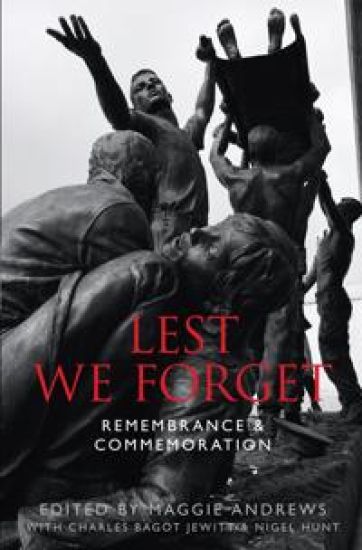
Lest We Forget

Lest We Forget

Maggie Andrews; Nigel Hunt; Charles Bagot Jewitt

The History Press Ltd
2011
sidottu
‘Age shall not weary them, nor the years condemn. At the going down of the sun and in the morning, we will remember them.’ These words, spoken at war memorials across the United Kingdom and around the world on 11 November every year, encapsulate how we commemorate our war dead. Lest We Forget looks at how we remember not only those who died in battle, but also those whose memory is important to us in other ways. This wide-ranging review considers such topics as Holocaust Memorial Day, the Hillsborough Disaster, memories of the Spanish Civil War, the genocide in Rwanda, Diana, Princess of Wales and the role of the Cenotaph and the National Memorial Arboretum. With an endorsement from The Royal British Legion, which celebrates its 90th anniversary in 2011, this is a timely study, and is relevant not only to people in the United Kingdom, but recognises the universal need to remember.
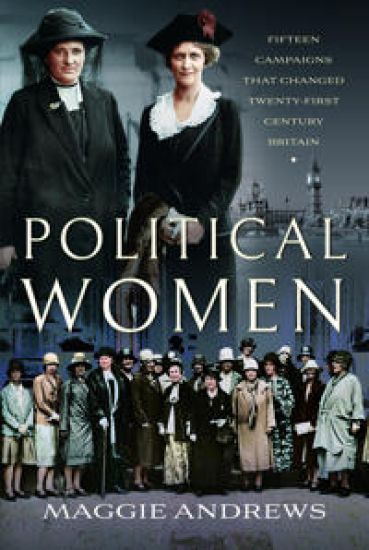
Political Women

Political Women

Maggie Andrews

PEN SWORD BOOKS LTD
2024
sidottu
The lives of women changed immeasurably during the twentieth century, not just because of technological and economic advances, but as a result of a multiplicity of small and large, local, national and international political campaigns by women. The activities of the Edwardian suffrage campaigns are the most well-known example of this, but in less well-known, political struggles women fought with equal tenacity, sacrifice, and inventiveness, to demand, for example, equal pay, analgesics for women and childbirth, an end to virginity testing at airports or wages for housework. This book focuses on 15 such campaigns and the thousands of women who sought to influence decision making, exercise and challenge power in the twentieth century. These political activities were sometimes small-scale and short-lived or seemingly unsuccessful but together they helped to bring about immeasurable changes in women’s lives during the twentieth century. With limited financial resources and hefty domestic responsibilities, women have often chosen to pick their political battles very carefully. Some fought for workers’ rights or the right to education, some prioritised stopping male violence on the streets, in the home or between nations, others like Radcliffe Hall campaigned so women could define their own sexuality. Women organised self-help childcare, rape crisis centres and peace camps. They set up birth control clinics and women’s refuges. Ordinary women took on exploitive landlords, immigration officers, international companies, local councils, the media and successive governments. A few of the hundreds of thousands of these political women, like Maggie Wintringham and Nancy Astor, were MPs; others became local councillors. However, women’s access to traditional areas of political power was limited, even when Britain had its first woman prime minister in 1979, she was one of only 19 women MPs in parliament. Consequently, women sought other spheres of activity through which to fight for change, using all the resources and imagination at their disposal to challenge injustice and abuse. They employed deeds and words, petitions and protests, legal and illegal devices, peaceful and violent strategies to further their political aims. Their motivations and contributions were varied, many made sacrifices to be involved in political battles, but this book seeks to celebrate some of these unsung heroines who tried to make a difference.

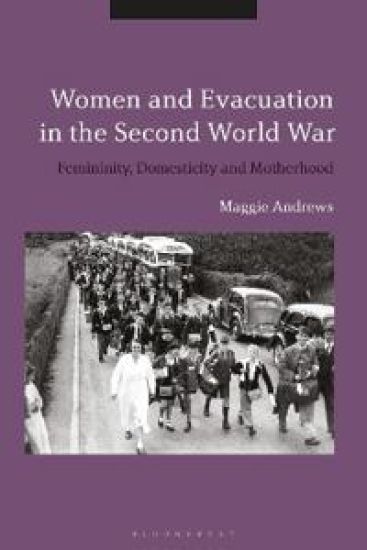
Women and Evacuation in the Second World War

Women and Evacuation in the Second World War

Maggie Andrews

Bloomsbury Academic
2021
nidottu
Groups of young evacuees, standing on railway stations with gas masks and cardboard suitcases have become an iconic image of wartime Britain, but their histories have eclipsed those of women whose domestic lives were affected. This book explores the effects of this unparalleled interference in the domestic lives of women, looking at the impact on everyday experience and on ideas of femininity, domesticity and motherhood. Maggie Andrews argues that wartime evacuation is important for understanding the experience and the contested meanings of domesticity and motherhood in the 20th century. As this book shows, evacuation represents a significant and unrecognised area of women's war work, and precipitated the rise of competing public discourses about domestic labour and motherhood.
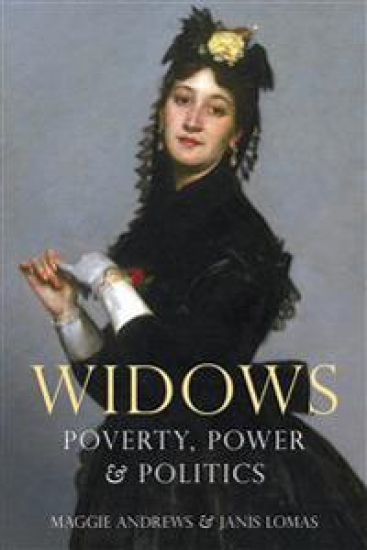
Widows

Widows

Maggie Andrews; Janis Lomas

The History Press Ltd
2020
sidottu
Historically seen as figures of pity and foreboding – poverty stricken receivers of charity, tragic figures dressed in black and even sometimes sexually voracious predators or witches – widows have been subject to powerful stereotypes that have endured for centuries. But for many women, widowhood unfolded into a vastly more complex story. From being property of men and housekeepers – the owners of nothing – they found themselves suddenly enfranchised, empowered and free to conduct themselves however they wished. From suffrage campaigners and politicians, to entrepreneurs and newly self-made women, the effect of widows’ might can be seen throughout history. In Widows historians Maggie Andrews and Janis Lomas pull together the stories of fascinating women, both famous and unknown, and their exploits after being widowed. They show how throughout history widows have carried on with everyday life in the face of poverty or isolation, their struggles for political power and the ways that many of them have contributed to improving the lives of women today.
Bovril,Whisky and Gravediggers

Bovril,Whisky and Gravediggers

Maggie Andrews; Emma Edwards

West Midlands History Limited
2019
nidottu
Spanish Flu' killed more than 50million people and afffected millions more across the globe between 1918 and 1920. Soldiers, POWs and workers in war-industries all fell victim to this pandemic which brought fear and death to villages, towns and cities on the homefront, even after the guns of the First World War battlefields had fallen silent.
Women and Evacuation in the Second World War

Women and Evacuation in the Second World War

Maggie Andrews

Bloomsbury Academic USA
2019
sidottu
Groups of young evacuees, standing on railway stations with gas masks and cardboard suitcases have become an iconic image of wartime Britain, but their histories have eclipsed those of women whose domestic lives were affected. This book explores the effects of this unparalleled interference in the domestic lives of women, looking at the impact on everyday experience and on ideas of femininity, domesticity and motherhood. Maggie Andrews argues that wartime evacuation is important for understanding the experience and the contested meanings of domesticity and motherhood in the 20th century. As this book shows, evacuation represents a significant and unrecognised area of women's war work, and precipitated the rise of competing public discourses about domestic labour and motherhood.
101 Things You Need to Know About Suffragettes

101 Things You Need to Know About Suffragettes

Maggie Andrews; Janis Lomas

The History Press Ltd
2018
nidottu
Suffragettes learned jiu-jitsu, repelled policemen with their hatpins, burnt down football stadiums and planted bombs. They rented a house near to Holloway Prison and sang rebel anthems to the Suffragettes inside. They barricaded themselves into their homes to repulse tax collectors. They arranged mass runs on Parliament. They had themselves posted to the Prime Minister, getting as far as the door of No. 10. Indomitable older members applied for gun licences to scare the government into thinking they were planning a revolution. Rebels. Warriors. Princesses. Prisoners. Pioneers. Here are 101 of the most extraordinary facts about Suffragettes that you need to know.
A History of Women in 100 Objects

A History of Women in 100 Objects

Maggie Andrews; Janis Lomas

The History Press Ltd
2018
nidottu
The history of the world has been told in objects. But what about the objects that tell the history of women? What are the items that symbolise the journey of women from second-class citizens with no legal rights, no vote and no official status to the powerful people they are today? And what are the objects that still oppress women, even now? From the corset to the contraceptive pill, the bones of the first woman to Rosa Parks's mugshot and the iconic Mary Quant cape, A History of Women in 100 Objects documents the developing role of women in society through the lens of the inanimate objects that touched women's lives, were created by women or that at some time – perhaps even still – oppressed them. Woven by two leading historians, this complex, fascinating and vital tale of women and womanhood is told with a lightness of touch and depth of experience that will appeal to all those interested in women's history.
The Acceptable Face of Feminism

The Acceptable Face of Feminism

Maggie Andrews

Lawrence Wishart Ltd
2015
nidottu
The British Women's Institute is more often associated with jam and Jerusalem than radical activity, but in this book Maggie Andrews explores the WI's relationship with feminism from the formation of the organisation in 1915 up to the eve of British feminism's renaissance in the late 1960s. The book aims to challenge, not only common sense perceptions about the Women's Institute but also those about feminism, interrogating preoccupations with domestic spaces and skills. This makes it is valuable reading for those interested in both historical and contemporary feminism, as well as, more broadly, the history of the twentieth century. Attention is given to the female cultural space and the value system provided by the WI, and the campaigns that articulated the needs of rural women and attempted to meet them. In this 100th anniversary year of the founding of the WI, this celebrated text is re-published in a new and completely revised edition. Maggie Andrews's new afterword considers the resurgence of interest in the WI amongst young women in the twenty-first century, and the relationship between this and the contemporary cultural enthusiasm for the domestic. There is also a new chapter on the formation of the WI in the First World War and substantial additions to existing chapters, including discussions of the WI involvement with radio in the inter-war years, and with evacuation in the Second World War.
Worcestershire's War

Worcestershire's War

Maggie Andrews; Adrian Gregson; John Peters

Amberley Publishing
2014
nidottu
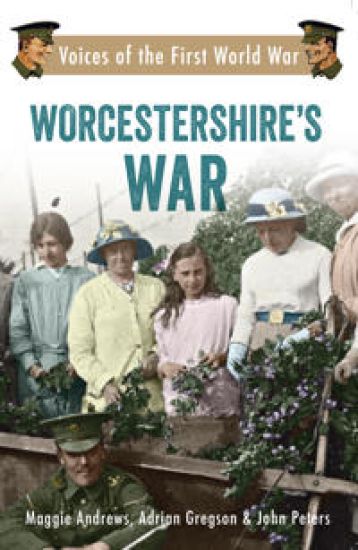
This is the story of Worcestershire’s First World War. Using letters, diaries and journals made at the time, the book draws together the vast array of experiences from Worcestershire locals to build up a comprehensive picture of how the county experienced the war. It explores among other things the role of Worcestershire’s women in wartime, the local regiment fighting in the Middle East and Worcestershire’s huge impact on the development of the medical profession during this period. The First World War was not just about the Tommy fighting in the trenches – some had a very different experience. Arthur Pepper was a pilot before being shot down and becoming a prisoner of war, and his story is told, along with those of a Navy rating, an Army chaplain and a conscientious objector. The Home Front and everyday life is also considered, with the hardships of food production and the Women’s Land Army. This remarkable collection of voices gives a unique insight into this county’s First World War.
Domesticating the Airwaves

Domesticating the Airwaves

Maggie Andrews

Continuum Publishing Corporation
2012
sidottu
Using case studies and analytical overviews this book explores the relationship between broadcasting and the intimate domestic sphere into which it is broadcast. It focuses on the period from the 1920s, when broadcasting was established in the UK, to the present day when both domesticity and broadcasting have become areas of anxiety and contestation. The entry of the wireless, and later television, into the home changed men and womens experience of domesticity, offering education and reducing isolation. But broadcasting did not merely change domestic leisure patterns, it actively intervened in constructing domesticity. The supposedly natural relationship between femininity and domesticity has structured the nature of broadcasting, and also the discourses which have emerged concerning the consumption of broadcast media. Contemporary broadcasting continues to be obsessed by domesticity, both in an idealised sense as well as portraying the domestic world as one of turmoil and crisis. This volume demonstrates that the relationship between broadcasting and domesticity is a key, and often neglected, feature of the cultural history of Britain in the last 100 years.
Domesticating the Airwaves

Domesticating the Airwaves

Maggie Andrews

Continuum Publishing Corporation
2012
nidottu
This title provides an exploration of how the domestic reception of broadcasting shaped the medium, from the 1920s to the present day. Using case studies and analytical overviews this book explores the relationship between broadcasting and the intimate domestic sphere into which it is broadcast. It focuses on the period from the 1920s, when broadcasting was established in the UK, to the present day when both domesticity and broadcasting have become areas of anxiety and contestation. The entry of the 'wireless', and later television, into the home changed men and women's experience of domesticity, offering education and reducing isolation. But broadcasting did not merely change domestic leisure patterns, it actively intervened in constructing domesticity. The supposedly natural relationship between femininity and domesticity has structured the nature of broadcasting, and also the discourses which have emerged concerning the consumption of broadcast media. Contemporary broadcasting continues to be obsessed by domesticity, both in an idealised sense as well as portraying the domestic world as one of turmoil and crisis. This volume demonstrates that the relationship between broadcasting and domesticity is a key, and often neglected, feature of the cultural history of Britain in the last 100 years.
All the World and Her Husband

All the World and Her Husband

Maggie Andrews; Mary Talbot

Continuum International Publishing Group Ltd.
2000
nidottu
Many of women's everyday experiences and pleasures are tied up inextricably with consumption. Women have had a lifelong relationship with the marketplace. In research into consumer culture, it tends to be the activities, interests and expertise of women who take centre stage. This collection provides a range of different perspectives on women as consumers. The volume focuses on popular culture and its female consumers; this includes examinations of popular media and their targetting of female audiences, issues and themes associated with produce purchase, placement and promotion, and commodification.