Kirjojen hintavertailu – 12 903 739 kirjaa ja 27 kauppaa

Kirjailija

Maggie Black

Kirjat ja teokset yhdessä paikassa: 9 kirjaa, julkaisuja vuosilta 1992–2016, suosituimpiin kuuluu The Atlas of Water. Vertaile teosten hintoja ja tarkista saatavuus suomalaisista kirjakaupoista.

9 kirjaa

Kirjojen julkaisuvuodet: 1992–2016.

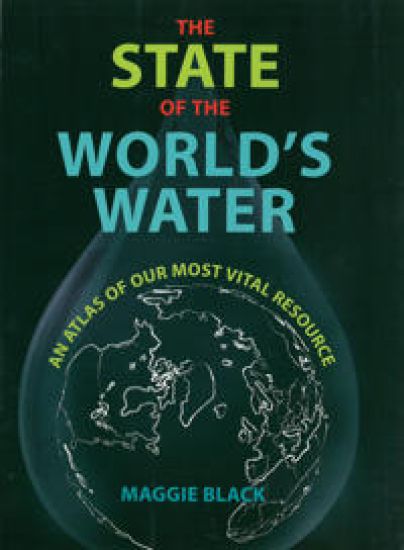
State of the World's Water

State of the World's Water

Maggie Black

New Internationalist Publicati
2016
pokkari
Completely updated, the new edition of this groundbreaking atlas maps the competing claims on limited water supplies - made by farmers, industrialists and householders - and investigates the uses and abuses of the resource, as well as the vexed question of how it can be equitably managed.
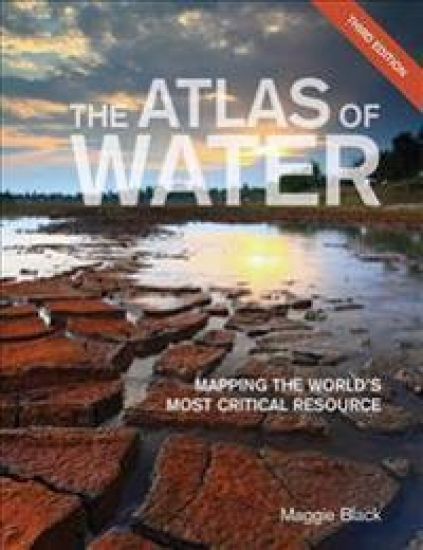
The Atlas of Water

The Atlas of Water

Maggie Black

University of California Press
2016
pokkari
Climate change, population increase, and the demands made by the growing number of people adopting urban lifestyles and western diets threaten the world's supply of freshwater, edging us closer to a global water crisis, with dire implications for agriculture, the economy, the environment, and human health. Completely revised and updated, The Atlas of Water is a compelling visual guide to the state of this life-sustaining resource. Using vivid graphics, maps, and charts, it explores the complex human interaction with water around the world. This vibrant atlas addresses all the pressing issues concerning water, from water shortages and excessive demand, to dams, pollution, and privatization, all considered in terms of the growing threat of an increasingly unpredictable climate. It also outlines critical tools for managing water, providing safe access to water, and preserving the future of the world's water supply.

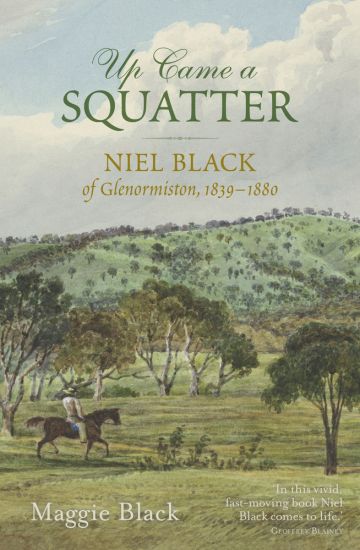
Up Came a Squatter

Up Came a Squatter

Maggie Black

NewSouth Publishing
2016
nidottu
Niel Black, a Scot from Argyllshire, arrived in Melbourne in September intending to make his fortune. Ambitious and determined, Black became one of the most successful and energetic squatters in the Western District of Victoria – a livestock breeder and a Member of the Legislative Council. He was also a correspondent extraordinaire, and his letters to family, fellow pastoralists, colonial officials, and his chief UK business partner, Thomas Steuart Gladstone (and first cousin of the British prime minister), offer a unique insight into the time. Black’s letters and journals, now held at the State Library Victoria, are the inspiration for this revelatory book written by his great-granddaughter. Battles with local Aboriginal people, other settlers, Commissioners of Crown Lands and bush-fires, along with droughts, family feuds, multiple trips back to Scotland to find a wife and Black’s rise to gentrified excess are all vividly brought to life.
NoNonsense: International Development

NoNonsense: International Development

Maggie Black

New Internationalist Publications Ltd
2015
nidottu
'Development' is often misunderstood and can embrace everything from building a large dam to planting trees. The idea can often mask confusion, contradiction, deceit and corruption. This book is essential reading for anyone wanting to know what development actually is. It covers all the key themes and critically suggests ways to bring the poor and marginalized into the process. Part of four-title relaunch of the NoNonsense series with new cover designs, layout and logo. Completely revised and updated edition of the No-Nonsense Guide to International Development which have, for a number of years, consistently ranked in the most accessible and useful titles in their subject category. Each book combines thorough research with excellent writing and critical analysis to provide an incisive, compelling introduction for students and general readers alike. Sales of previous editions total over 50,000. Previous editions have been widely course adopted across a range of subjects and departments - International Development, Women's studies, Environmental studies, Political Science are some examples.
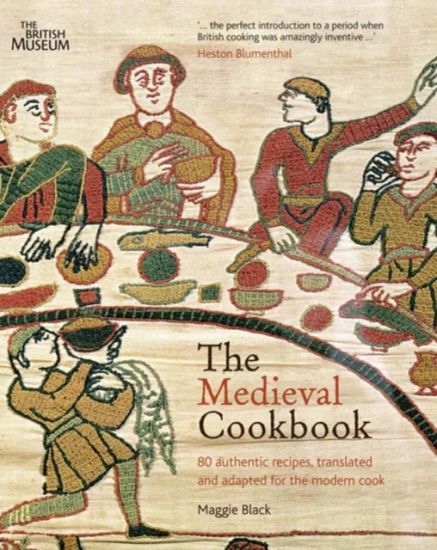
The Medieval Cookbook

The Medieval Cookbook

Maggie Black

British Museum Press
2012
nidottu

Halvin toimitettuna 20,30 €

Drawing on the cuisine of the Middle Ages, from the fall of the Roman Empire to Henry VIII's break with Rome, this new treatment of a classic book explores the relationship between food, religion and the ever-widening gap between the tables of the rich and the poor. Featured is an appetizing collection of recipes inspired by medieval manuscripts, richly illustrated throughout with stunning scenes of food, feasting and cooking from paintings, tapestries and drawings. The Medieval Cookbook has been thoughtfully adapted for the modern kitchen, whilst retaining the true essence of dining in medieval Britain.
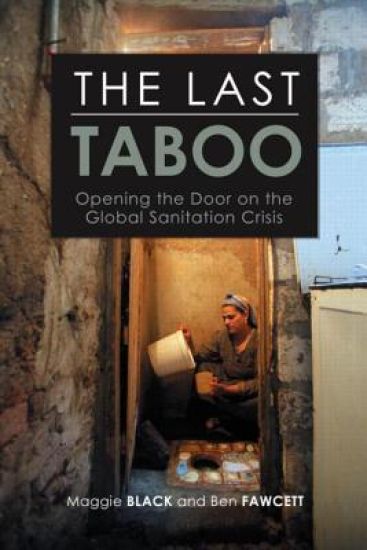
The Last Taboo

The Last Taboo

Maggie Black; Ben Fawcett

Earthscan Ltd
2008
nidottu
Except in schoolboy jokes, the subject of human waste is rarely aired. We talk aboutwater-related diseases when most are sanitation-related - in short, we don‘t mention the shit. A century and a half ago, a long, hot summer reduced the Thames flowing past the UK Houses of Parliament to aGreat Stink thereby inducing MPs to legislate sanitary reform. Today, another sanitary reformation is needed, one that manages to spread cheaper and simpler systems to people everywhere. In the byways of the developing world, much is quietly happening on the excretory frontier. In 2008, the International Year of Sanitation, the authors bring this awkward subject to a wider audience than the world of international filth usually commands. They seek the elimination of theGreat Distaste so that people without political clout or economic muscle can claim their right to a dignified and hygienic place togo. Published with UNICEF
The Last Taboo

The Last Taboo

Maggie Black; Ben Fawcett

Earthscan Ltd
2008
sidottu
Except in schoolboy jokes, the subject of human waste is rarely aired. We talk aboutwater-related diseases when most are sanitation-related - in short, we don‘t mention the shit. A century and a half ago, a long, hot summer reduced the Thames flowing past the UK Houses of Parliament to aGreat Stink thereby inducing MPs to legislate sanitary reform. Today, another sanitary reformation is needed, one that manages to spread cheaper and simpler systems to people everywhere. In the byways of the developing world, much is quietly happening on the excretory frontier. In 2008, the International Year of Sanitation, the authors bring this awkward subject to a wider audience than the world of international filth usually commands. They seek the elimination of theGreat Distaste so that people without political clout or economic muscle can claim their right to a dignified and hygienic place togo. Published with UNICEF
The Jane Austen Cookbook

The Jane Austen Cookbook

Maggie Black; Deirdre Le Faye

British Museum Press
2002
nidottu
Jane Austen wrote her novels in the midst of a large and sociable family. Brothers and sisters, nieces and nephews, friends and acquaintances were always coming and going, and eating and drinking. Fortunately one of Jane's dearest friends, Martha Lloyd, lived with the family for many years and recorded in her "Household Book" over 100 recipes enjoyed by the Austens. This family fare, tested and modernized for today's cooks, is reproduced here, together with some of the more sophisticated dishes which Jane and her characters would have enjoyed at balls, picnics and supper parties. The introduction discusses Jane's own interest in food, as shown both in the novels and in her letters, and the importance of mealtimes and entertaining in the social life of her period (1775-1817), with the complete contents of Martha Lloyd's "Household Book" and the history of the manuscript, now in Jane Austen's House at Chawton, Hampshire. Delightful line drawings, prints and watercolours from contemporary sources illustrate the book.
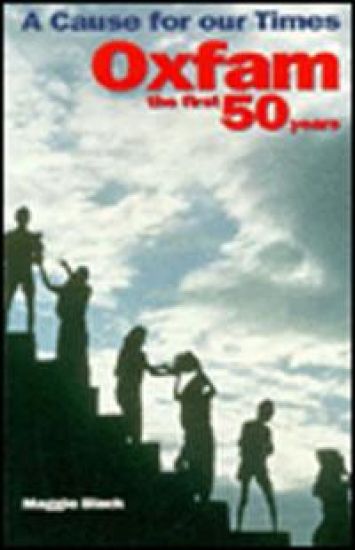
Cause for our Times

Cause for our Times

Maggie Black

Oxfam
1992
nidottu
Oxfam is one of the best-known and most successful charities in Britain. It is also one of the most controversial. This book, published to coincide with Oxfam's 50th anniversary, describes how a small, local, wartime charity evolved into Britain's largest overseas agency, in a period of rapid social and international change. From its initial mission to help starving civilians in Greece during the darkest days of the Second World War, to the recent Charity Commission investigation into its campaigning activities, Oxfam has frequently been in the news. Its humanitarian mission has never been safe, whether in Africa or Vietnam, Central America or the Middle East; whether in hard hitting fundraising or educational activity, in nagging governments into helping famine victims or responding to needs in the midst of armed conflict. Maggie Black gives a wide-ranging, sometimes critical, account of Oxfam's first 50 years. In doing so, she projects Oxfam's own development against a backcloth of changing ideas in international affairs and charitable giving, of which its growth is both an inspiration and an expression.