
Kirjojen hintavertailu – 12 903 724 kirjaa ja 27 kauppaa

Kirjailija

Mala Raghavan

Kirjat ja teokset yhdessä paikassa: 2 kirjaa, julkaisuja vuosilta 2021–2022, suosituimpiin kuuluu China and ASEAN: Pivoting Trade and Shock Transmission. Vertaile teosten hintoja ja tarkista saatavuus suomalaisista kirjakaupoista.

2 kirjaa

Kirjojen julkaisuvuodet: 2021–2022.

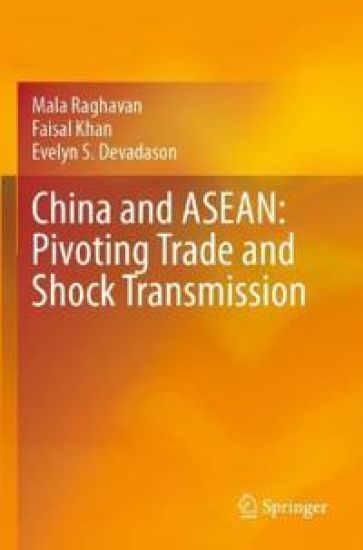
China and ASEAN: Pivoting Trade and Shock Transmission

China and ASEAN: Pivoting Trade and Shock Transmission

Mala Raghavan; Faisal Khan; Evelyn S. Devadason

SPRINGER VERLAG, SINGAPORE
2022
nidottu
This book highlights the critical relationship between China and the Association of Southeast Asian Nations (ASEAN) associated with its trade interdependency. As the largest trade partner in the region, China has not only presented itself with opportunities for ASEAN to tap its market, but also created great challenges for the region. The fundamental question that this book addresses, therefore, is whether China’s engagement with ASEAN comes at a cost for the latter following from the systemic risks tied to the China-centric supply chains in the region. The trade interactions between China and ASEAN, though extensively explored, are less understood in the context of its influence over the region amidst the recent changing dynamics that follow from China’s global engagement and backlash from major powers. The book therefore resolutely rises against stereotypes and clichés, making readers reconsider many oversimplified assumptions of the benefits of trade engagement where economies are interconnected through complex production chains.
China and ASEAN: Pivoting Trade and Shock Transmission

China and ASEAN: Pivoting Trade and Shock Transmission

Mala Raghavan; Faisal Khan; Evelyn S. Devadason

Springer Verlag, Singapore
2021
sidottu
This book highlights the critical relationship between China and the Association of Southeast Asian Nations (ASEAN) associated with its trade interdependency. As the largest trade partner in the region, China has not only presented itself with opportunities for ASEAN to tap its market, but also created great challenges for the region. The fundamental question that this book addresses, therefore, is whether China’s engagement with ASEAN comes at a cost for the latter following from the systemic risks tied to the China-centric supply chains in the region. The trade interactions between China and ASEAN, though extensively explored, are less understood in the context of its influence over the region amidst the recent changing dynamics that follow from China’s global engagement and backlash from major powers. The book therefore resolutely rises against stereotypes and clichés, making readers reconsider many oversimplified assumptions of the benefits of trade engagement where economies are interconnected through complex production chains.