

Kirjailija
Malcolm Bell
Kirjat ja teokset yhdessä paikassa: 16 kirjaa, julkaisuja vuosilta 2004–2025, suosituimpiin kuuluu Old Pewter;. Vertaile teosten hintoja ja tarkista saatavuus suomalaisista kirjakaupoista.
16 kirjaa
Kirjojen julkaisuvuodet: 2004–2025.
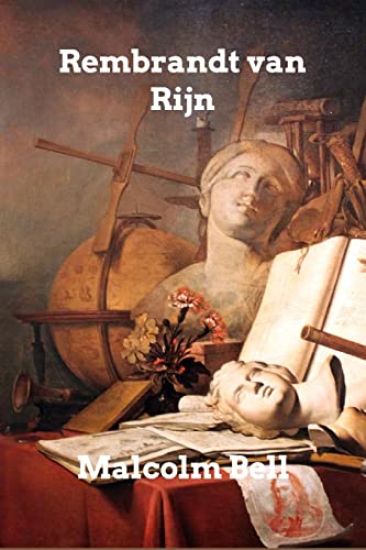
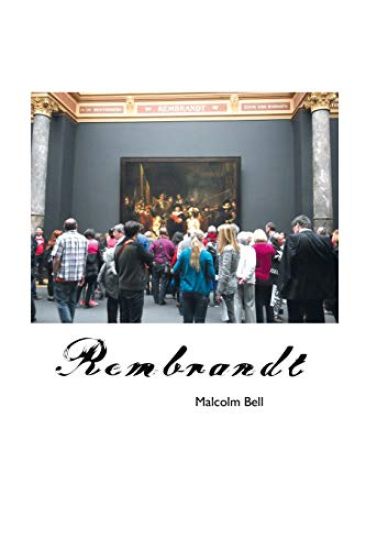
Rembrandt Harmenszoon van Rijn (15 July 1606 - 4 October 1669), usually simply known as Rembrandt, was a Dutch Golden Age painter, printmaker and draughtsman. An innovative and prolific master in three media, he is generally considered one of the greatest visual artists in the history of art and the most important in Dutch art history. Unlike most Dutch masters of the 17th century, Rembrandt's works depict a wide range of style and subject matter, from portraits and self-portraits to landscapes, genre scenes, allegorical and historical scenes, and biblical and mythological themes as well as animal studies.
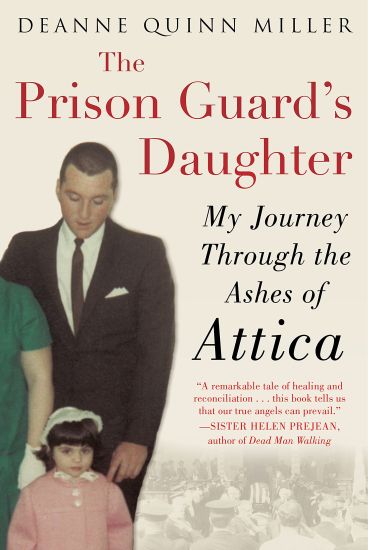
On the 50th anniversary of America’s deadliest prison riot comes a prison-guard daughter’s quest to uncover the truth about her father’s murder during the uprising-a story of crossing racial divides, befriending inmates and correctional officers alike, and challenging the state to reveal and pay for its malfeasance. Deanne Quinn Miller was five years old when her father—William “Billy” Quinn—was murdered in the first minutes of the Attica Prison Riot, the only corrections officer to die at the hands of inmates. But how did he die? Who were the killers? Those questions haunted Dee and wreaked havoc on her psyche for thirty years. Finally, when she joined the Forgotten Victims of Attica, she began to find answers. This began the process of bringing closure not only for herself but for the other victims’ families, the former prisoners she met, and all of those who perished on September 13, 1971—the day of the “retaking,” when New York State troopers and corrections officers at the Attica Correctional facility slaughtered twenty-nine rioting prisoners and ten hostages in a hail of gunfire. In The Prison Guard’s Daughter, Dee brings readers in on her lifelong mission for the truth and justice for the Attica survivors and the families of the men who lost their lives. But the real win was the journey that crossed racial and criminal-justice divides: befriending infamous Attica prisoner Frank “Big Black” Smith, meeting Richard Clark and other inmates who tried to carry her father to safety after his beating, and learning what life was like for all of the people-prisoners and prison employees alike-inside Attica. As Miller lays bare the truth about her father’s death, the world inside Attica, and the state’s reckless raid and coverup, she conveys a narrative of compassionate humanity and a call for prison reform.

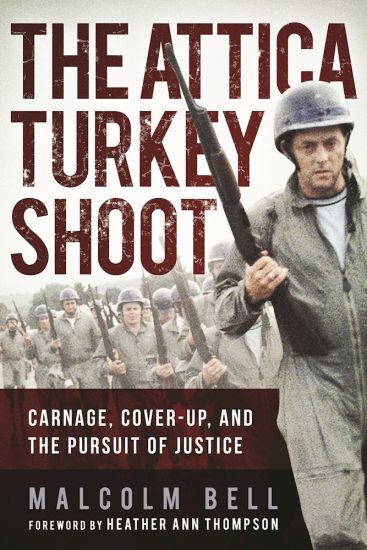
The Attica Turkey Shoot tells a story that New York State did not want you to know. In 1971, following a prison riot at the Attica Correctional Facility, state police and prison guards slaughtered thirty-nine hostages and inmates and tortured more than one thousand men after they had surrendered. State officials pretended that they could not successfully prosecute the law officers who perpetrated this carnage, and then those same officials scurried for shelter when a prosecutor named Malcolm Bell exposed the cover-up. Bell traveled a rocky road to a justice of sorts as he sought to prosecute without fear or favor?in spite of a deck that the officials had stacked to keep the police from facing the same justice that had filled the Attica prison in the first place. His insider’s account illuminates the all-too-common contrast between the justice of the privileged and the justice of the rest. The book also includes evidence from recently uncovered tapes that Governor Nelson Rockefeller knew his order for troopers to attack could cost the lives of hundreds of inmates and all those hostages. The Attica Turkey Shoot highlights the hypocrisy of a criminal justice system that decides who goes to prison and who enjoys impunity in a nation where no one is said to be above the law.

The author considers the Morgantina terracottas as representatives of one of the liveliest traditions of the Greek minor arts, and thus he examines questions of stylistic development and influence, workshop traditions, and technique. Originally published in 1982. The Princeton Legacy Library uses the latest print-on-demand technology to again make available previously out-of-print books from the distinguished backlist of Princeton University Press. These editions preserve the original texts of these important books while presenting them in durable paperback and hardcover editions. The goal of the Princeton Legacy Library is to vastly increase access to the rich scholarly heritage found in the thousands of books published by Princeton University Press since its founding in 1905.




The author considers the Morgantina terracottas as representatives of one of the liveliest traditions of the Greek minor arts, and thus he examines questions of stylistic development and influence, workshop traditions, and technique. Originally published in 1982. The Princeton Legacy Library uses the latest print-on-demand technology to again make available previously out-of-print books from the distinguished backlist of Princeton University Press. These editions preserve the original texts of these important books while presenting them in durable paperback and hardcover editions. The goal of the Princeton Legacy Library is to vastly increase access to the rich scholarly heritage found in the thousands of books published by Princeton University Press since its founding in 1905.

Master of vast rice and cotton plantations in South Carolina and Georgia, delegate to the Constitutional Convention, Major Pierce Butler bequeathed his family and nation a legacy of slavery—an inheritance of immense wealth sown with the seeds of Civil War. In Major Butler's Legacy, Malcolm Bell charts the unfolding of the Butler patrimony, an epic story that reaches from the eve of the Revolution to the first decades of this century and includes in its course such figures as George Washington, Aaron Burr, Fanny Kemble, William Tecumseh Sherman, Henry James, Theodore Roosevelt, and Owen Wister.