Kirjojen hintavertailu – 12 859 818 kirjaa ja 27 kauppaa

Kirjailija

Malcolm Dando

Kirjat ja teokset yhdessä paikassa: 6 kirjaa, julkaisuja vuosilta 2002–2025, suosituimpiin kuuluu The Chemical and Biological Nonproliferation Regime after the Covid-19 Pandemic. Vertaile teosten hintoja ja tarkista saatavuus suomalaisista kirjakaupoista.

6 kirjaa

Kirjojen julkaisuvuodet: 2002–2025.

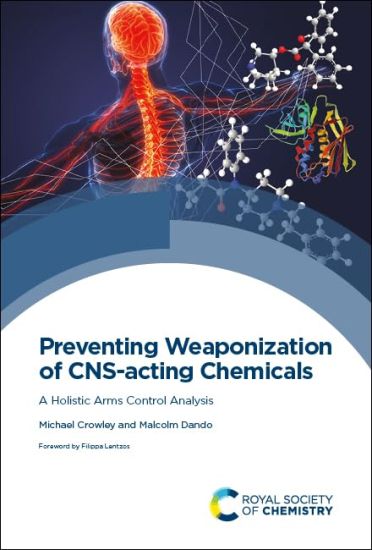
Preventing Weaponization of CNS-acting Chemicals

Preventing Weaponization of CNS-acting Chemicals

Michael Crowley; Malcolm Dando; Filippa Lentzos

ROYAL SOCIETY OF CHEMISTRY
2025
sidottu

Halvin toimitettuna 187,60 €

Recent advances in neuroscience – the study of the mechanisms within the brain that underlie our behaviours and what happens when these go wrong – have been profound. However, benignly intended neurological research that seeks to understand dysfunction in the central nervous system (CNS) could be misused, for example in the development of novel CNS-acting chemical agent weapons for use in armed conflict and also in repression of civilian populations. This book follows a 3-step Holistic Arms Control approach: examining the (bio)chemical agents and relevant physiological systems they effect, as well as associated dual-use technologies that need to be regulated; analysing the full range of potentially applicable international law, international arms control, disarmament and other instruments, and attendant control regimes constraining misuse; and finally providing a comprehensive strategy to strengthen existing regulatory mechanisms as well as suggest new measures to prevent the misuse of the neurosciences and associated dual-use technologies without limiting the widespread health and other societal benefits that flow from their benign application. Suitable for biochemists and researchers in the areas of neuroscience, neurochemistry, and neuropharmacology, this book will also be of interest for those working in arms control, disarmament and related legal fields, as well as forensic medicine and toxicology.
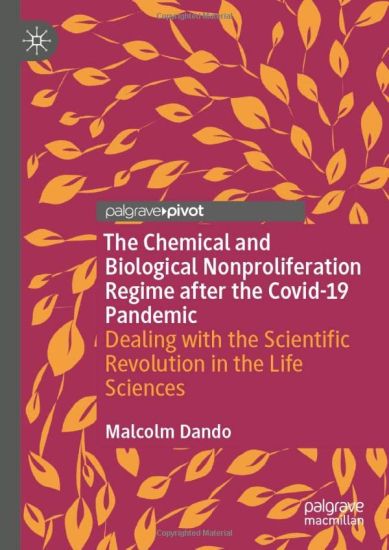
The Chemical and Biological Nonproliferation Regime after the Covid-19 Pandemic
This book offers an analysis of how the Chemical and Biological Weapons (CBW) regime has responded in the immediate aftermath of the Covid-19 pandemic. Coronavirus has highlighted the need to better protect modern societies from natural, accidental and deliberate disease affecting humans, animals and plants. Within that context preventing the deliberate hostile use of biological and chemical agents will be of increasing importance. Dando asks to what extent there has been a significant strengthening to the CBW non-proliferation regime in the immediate aftermath of the COVID-19 pandemic using an analysis focused on two proposals to strengthen the Chemical Weapons Convention and the Biological and Toxin Weapons Convention which aim to constrain advances in science and technology developments that could be misused. On this basis he concludes that it would be hard to argue that to date there has been a significant strengthening of the CBW regime.
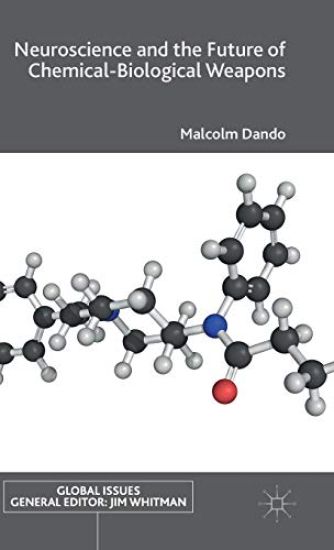
Neuroscience and the Future of Chemical-Biological Weapons

Neuroscience and the Future of Chemical-Biological Weapons

Malcolm Dando

Palgrave Macmillan
2015
sidottu

Halvin toimitettuna 74,40 €

During the last century, advances in the life sciences were used in the development of biological and chemical weapons in large-scale state offensive programmes, many of which targeted the nervous system. This study questions whether the development of novel biological and chemical neuroweapons can be prevented as neuroscience progresses.
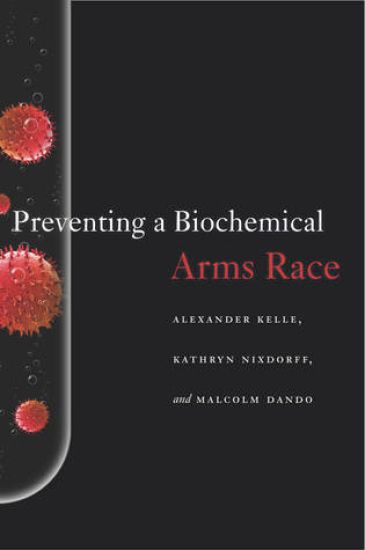
Preventing a Biochemical Arms Race

Preventing a Biochemical Arms Race

Alexander Kelle; Kathryn Nixdorff; Malcolm Dando

Stanford University Press
2012
sidottu
Preventing a Biochemical Arms Race responds to a growing concern that changes in the life sciences and the nature of warfare could lead to a resurgent interest in chemical and biological weapons (CBW) capabilities. By bringing together a wide range of historical material and current literature in the field of CBW arms control, the book reveals how these two disparate fields might be integrated to precipitate a biochemical arms race among major powers, rogue states, or even non-state actors. It seeks to raise awareness among policy practitioners, the academic community, and the media that such an arms race may be looming if developments are left unattended, and to provide policy options on how it—and it's devastating consequences—could be avoided. After identifying weaknesses in the international regime structures revolving around the Biological Weapons and Chemical Weapons Conventions, it provides policy proposals to deal with gaps and shortcomings in each prohibition regime individually, and then addresses the widening gap between them.
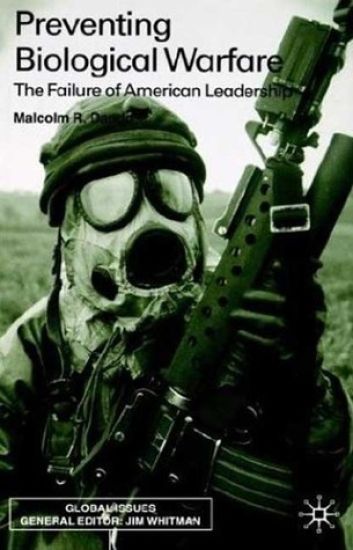
Preventing Biological Warfare

Preventing Biological Warfare

Malcolm Dando

Palgrave Macmillan
2002
sidottu
The Biological and Toxin Weapons Convention entirely prohibits biological warfare, but it has no effective verification mechanism to ensure that the 140-plus States Parties are living up to their obligations. From 1995-2001 the States Parties attempted to negotiate a Protocol to the Convention to remedy this deficiency. On 25 July 2001 the United States entirely rejected the final text which would probably have been acceptable to most other states. The book investigates how this disaster came about, and the potential consequences of the failure of American leadership.
Preventing Biological Warfare

Preventing Biological Warfare

Malcolm Dando

Palgrave Macmillan
2002
nidottu
The Biological and Toxin Weapons Convention entirely prohibits biological warfare, but it has no effective verification mechanism to ensure that the 140-plus States Parties are living up to their obligations. From 1995-2001 the States Parties attempted to negotiate a Protocol to the Convention to remedy this deficiency. On 25 July 2001 the United States entirely rejected the final text which would probably have been acceptable to most other states. The book investigates how this disaster came about, and the potential consequences of the failure of American leadership.