
Kirjojen hintavertailu – 12 859 818 kirjaa ja 27 kauppaa

Kirjailija

Malka Muchnik

Kirjat ja teokset yhdessä paikassa: 3 kirjaa, julkaisuja vuosilta 2014–2018, suosituimpiin kuuluu The Gender Challenge of Hebrew. Vertaile teosten hintoja ja tarkista saatavuus suomalaisista kirjakaupoista.

3 kirjaa

Kirjojen julkaisuvuodet: 2014–2018.

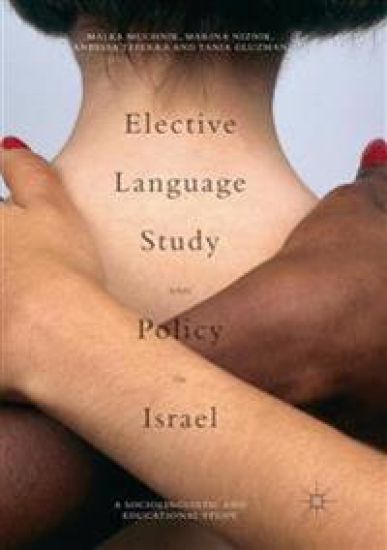
Elective Language Study and Policy in Israel

Elective Language Study and Policy in Israel

Malka Muchnik; Marina Niznik; Anbessa Teferra; Tania Gluzman

Springer International Publishing AG
2018
nidottu
This book presents research on the instruction of two heritage languages and two foreign languages in Israeli schools. The authors explore language policy and the way languages are studied from the point of view of students, teachers, schools and curricula. Language in Israel is a loaded concept, closely linked to ideological, political, and social issues. The profound changes in language policy in the West along with two large waves of immigration from the Former Soviet Union and Ethiopia resulted in new attitudes towards immigrant languages and cultures in Israel. Are these new attitudes strong enough to change the language policy in the future? What do students and teachers think about the language instruction at school? Are the teaching materials updated and do they address modern demands? This book provides answers to these and other questions. As well as describing the instruction of two heritage languages, Russian and Amharic, and two foreign languages, French and Spanish, the book also contains an extensive background on the immigration history and acculturation process of the speakers of each of these languages. An in-depth understanding of the case of Israel will serve as a guide for other countries contending with similar issues pertaining to the adjustment of language policies in light of immigration and other challenging circumstances.
Elective Language Study and Policy in Israel

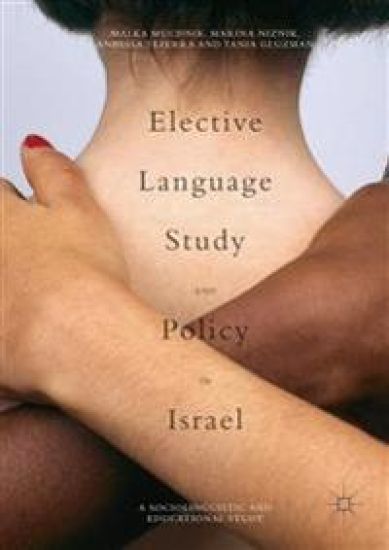
Elective Language Study and Policy in Israel

Malka Muchnik; Marina Niznik; Anbessa Teferra; Tania Gluzman

Springer International Publishing AG
2016
sidottu
This book presents research on the instruction of two heritage languages and two foreign languages in Israeli schools. The authors explore language policy and the way languages are studied from the point of view of students, teachers, schools and curricula. Language in Israel is a loaded concept, closely linked to ideological, political, and social issues. The profound changes in language policy in the West along with two large waves of immigration from the Former Soviet Union and Ethiopia resulted in new attitudes towards immigrant languages and cultures in Israel. Are these new attitudes strong enough to change the language policy in the future? What do students and teachers think about the language instruction at school? Are the teaching materials updated and do they address modern demands? This book provides answers to these and other questions. As well as describing the instruction of two heritage languages, Russian and Amharic, and two foreign languages, French and Spanish, the book also contains an extensive background on the immigration history and acculturation process of the speakers of each of these languages. An in-depth understanding of the case of Israel will serve as a guide for other countries contending with similar issues pertaining to the adjustment of language policies in light of immigration and other challenging circumstances.
The Gender Challenge of Hebrew
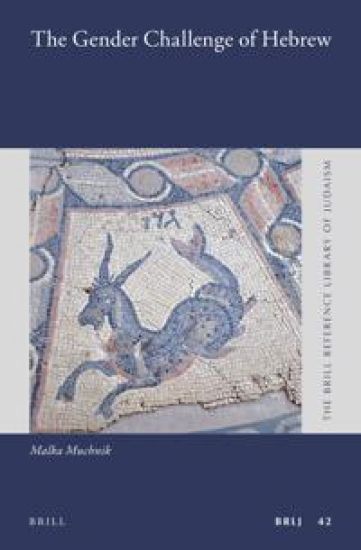
The Gender Challenge of Hebrew is the first book to delve in depth into the problem of gender representation over the 3,000-year history of the Hebrew language. By analyzing and illustrating the grammatical characteristics of gender in Biblical, Mishnaic, Medieval and Modern Hebrew, Malka Muchnik reveals the social and cultural issues that they reflect. Gender discrimination in all periods of Hebrew is shown in sacred, liturgical and literary texts, as well as in the popular language spoken today. All of them testify to the problematic status of women, who were traditionally excluded from religious studies and public activities, and in recent decades have been struggling to change this practice. Malka Muchnik shows that linguistic change remains a challenging goal.