Kirjojen hintavertailu – 12 859 828 kirjaa ja 27 kauppaa

Kirjailija

Mamadou Badiane

Kirjat ja teokset yhdessä paikassa: 4 kirjaa, julkaisuja vuosilta 2009–2022, suosituimpiin kuuluu Améfrica in Letters. Vertaile teosten hintoja ja tarkista saatavuus suomalaisista kirjakaupoista.

4 kirjaa

Kirjojen julkaisuvuodet: 2009–2022.

Améfrica in Letters

Améfrica in Letters

Jennifer Carolina Gómez Menjívar; Paulette Ramsay; Juan Guillermo Sánchez Martínez; Michael Handelsman; Gloria Chacón; Ángela Castro; Eliseo Jacob; Isis Barra Costa; Juan Eduardo Wolf; Diana Rodríguez Quevedo; Mamadou Badiane

VANDERBILT UNIVERSITY PRESS
2022
nidottu
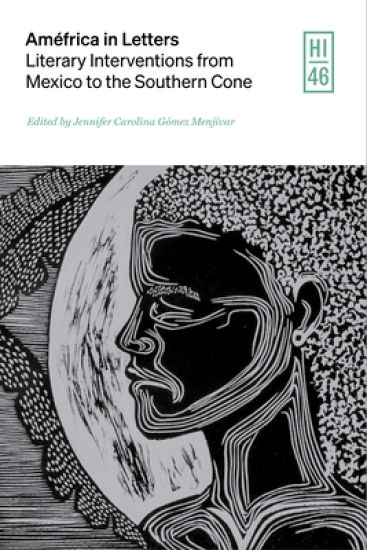
Traditional histories of Black letters in Latin America have delimited their geographic scope to the Caribbean while also omitting intertwined Afro-Indigenous discourses. Inspired by the legacy of Amefrican thinker LÉlia Gonzalez, AmÉfrica in Letters highlights the Black poets, songwriters, novelists, essayists, and bloggers who have created a counter-multiculturalist literary history on the Latin American mainland. To capture a sense of the variety of their contributions, this book spans Mexico, Central America, the Andes, and the Southern Cone—highlighting the transcontinental nature of the legacy of Black writing and its impact beyond national boundaries. The writers examined in the volume engage with regional intellectual frameworks while putting into circulation a demand for a recalibration of the Hispanophone and Lusophone contexts in which they and other Afrodescendants reside.
Améfrica in Letters

Améfrica in Letters

Jennifer Carolina Gómez Menjívar; Paulette Ramsay; Juan Guillermo Sánchez Martínez; Michael Handelsman; Gloria Chacón; Ángela Castro; Eliseo Jacob; Isis Barra Costa; Juan Eduardo Wolf; Diana Rodríguez Quevedo; Mamadou Badiane

VANDERBILT UNIVERSITY PRESS
2022
sidottu
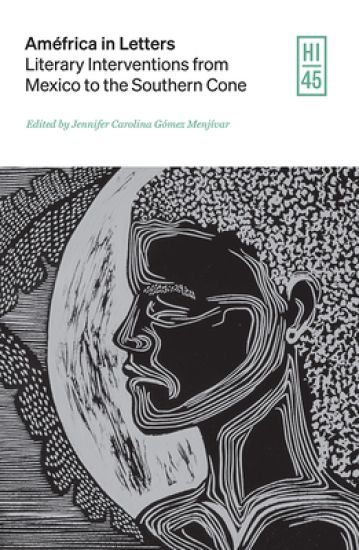
Traditional histories of Black letters in Latin America have delimited their geographic scope to the Caribbean while also omitting intertwined Afro-Indigenous discourses. Inspired by the legacy of Amefrican thinker LÉlia Gonzalez, AmÉfrica in Letters highlights the Black poets, songwriters, novelists, essayists, and bloggers who have created a counter-multiculturalist literary history on the Latin American mainland. To capture a sense of the variety of their contributions, this book spans Mexico, Central America, the Andes, and the Southern Cone—highlighting the transcontinental nature of the legacy of Black writing and its impact beyond national boundaries. The writers examined in the volume engage with regional intellectual frameworks while putting into circulation a demand for a recalibration of the Hispanophone and Lusophone contexts in which they and other Afrodescendants reside.
The Changing Face of Afro-Caribbean Cultural Identity
The Changing Face of Afro-Caribbean Cultural Identity: Negrismo and Négritude looks primarily at Negrismo and Négritude, two literary movements that appeared in the Francophone and Hispanic Caribbean as well as in Africa at the beginning of the twentieth century. It draws on speeches and manifestos, and use cultural studies to contextualize ideas. It poses the bases of both movements in the Caribbean and in Africa, and lays out the literary antecedents that influenced or shaped both movements. This book examines the search for cultural identity through the poetry of Nicolas Guillén, Manuel del Cabral, and Palés Matos. This search is extended to the Négritude movement through the poems of Léopold Senghor, Léon-Gontran Damas, and Aimé Césaire. Mamadou Badiane further discusses the under-represented Négritude women writers who were silenced by their male counterparts during the first half of the twentieth century. Ultimately, this is a book on Caribbean cultural identity that shows it in a slippery and fluctuating zone. By demonstrating that while the founders of the Négritude movement both identified themselves as descendants of Africans and were proud to proclaim their African heritage, the members of the Antillanité and Créolité movements see themselves as a product of miscegenation between different cultures.