Kirjojen hintavertailu – 12 859 819 kirjaa ja 27 kauppaa
Kirjailija
Mangcu Xolela
Kirjat ja teokset yhdessä paikassa: 3 kirjaa, julkaisuja vuosilta 2013–2017, suosituimpiin kuuluu The Unresolved National Question in South Africa. Vertaile teosten hintoja ja tarkista saatavuus suomalaisista kirjakaupoista.
Webster Edward; John Mawbey; Cronin Jeremy; Alex Mohubetswane Mashilo Mohubetswane Mashilo; Robert van Niekerk van Niekerk; Luli Callinicos Callinicos; B G Brown; M P Giyose; H. J. Peterson; C A Thomas; A R Zinn; Zondi Siphamandla; T Dunbar Moodie; Motala Enver; Vally Salim; Gerhard Maré; Mangcu Xolela; Hassim Shireen; Erwin Alec; Sian Byrne; Nicole Ulrich; Walt Lucien; Legassick Martin; Glaser Daryl
The re-emergence of debates on the decolonisation of knowledge has revived interest in the National Question, which began over a century ago and remains unresolved. Tensions that were suppressed and hidden in the past are now being openly debated. Despite this, the goal of one united nation living prosperously under a constitutional democracy remains elusive. This volume examines the way in which various strands of left thought have addressed the National Question, especially during the apartheid years, and goes on to discuss its relevance for South Africa today and in the future. Contributors have defined the question as they believe appropriate, which has resulted in a rich tapestry of interweaving perceptions about the unresolved National Question. The volume is structured in two parts. The first examines four foundational traditions – Marxism-Leninism (the Colonialism of a Special Type thesis); the Congress tradition; the Trotskyist tradition; and Africanism. The second part explores the various shifts in the debate from the 1960s onwards, and includes chapters on Afrikaner nationalism, ethnic issues, Black Consciousness, feminism, workerism and constitutionalism. By revisiting these debates, the volume will become a catalyst for an enriched debate on our identity and our future.
The death of Nelson Mandela on 5 December 2013 was in a sense a wake-up call for South Africans, and a time to reflect on what has been achieved since `those magnificent days in late April 1994’ (as the editors of this volume put it) `when South Africans of all colours voted for the first time in a democratic election’. In a time of recall and reflection it is important to take account, not only of the dramatic events that grip the headlines, but also of other signposts that indicate the shape and characteristics of a society. The New South African Review looks, every year, at some of these signposts, and the essays in this fourth volume of the series again examine and analyse a broad spectrum of issues affecting the country. They tackle topics as diverse as the state of organised labour; food retailing; electricity generation; access to information; civil courage; the school system; and – looking outside the country to its place in the world – South Africa’s relationships with north-east Asia, with Israel and with its neighbours in the southern African region. Taken together, these essays give a multidimensional perspective on South Africa’s democracy as it turns twenty, and will be of interest to general readers while being particularly useful to students and researchers.
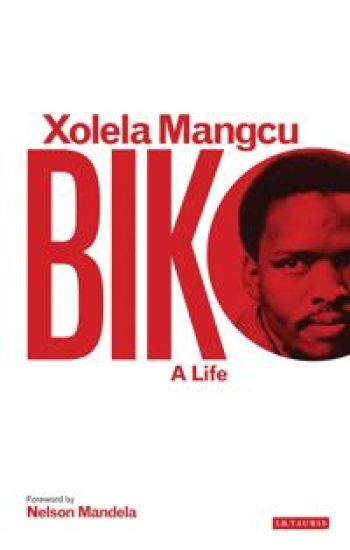
Steve Biko was an exceptional and inspirational leader, a pivotal figure in South African history. As a leading anti-apartheid activist and thinker, Biko created the Black Consciousness Movement, the grassroots organisation which would mobilise a large proportion of the black urban population. His death in police custody at the age of just 30 robbed South Africa of one of its most gifted leaders. Although the rudimentary facts of his life - and death - are well known, there has until now been no in-depth book on this major political figure and the impact of his life and tragic death. Xolela Mangcu, who knew Biko, provides the first in-depth look at the life of one of the most iconic figures of the anti-apartheid movement, whose legacy is still felt strongly today, both in South Africa, and worldwide in the global struggle for civil rights.