Kirjojen hintavertailu – 12 859 828 kirjaa ja 27 kauppaa

Kirjailija

Marc Jason Gilbert

Kirjat ja teokset yhdessä paikassa: 5 kirjaa, julkaisuja vuosilta 2017–2020, suosituimpiin kuuluu World Civilizations. Vertaile teosten hintoja ja tarkista saatavuus suomalaisista kirjakaupoista.

5 kirjaa

Kirjojen julkaisuvuodet: 2017–2020.

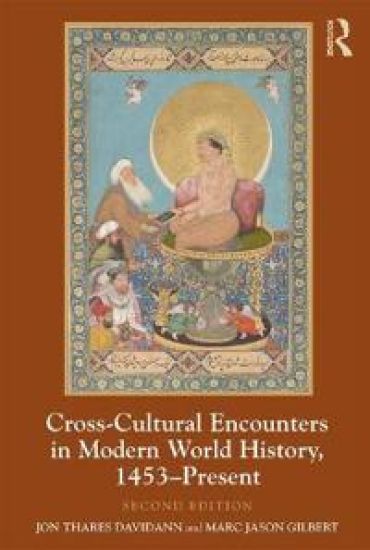
Cross-Cultural Encounters in Modern World History, 1453-Present
One of the hallmarks of world history is the ever-increasing ability of humans to cross cultural boundaries. Taking an encounters approach that opens up history to different perspectives and experiences, Cross-Cultural Encounters in Modern World History examines cultural contact between people from across the globe between 1453 and the present. The book examines the historical record of these contacts, distilling from those processes patterns of interaction, different peoples’ perspectives, and the ways these encounters tended to subvert the commonly accepted assumptions about differences between peoples in terms of race, ethnicity, nationhood, or empire. This new edition has been updated to employ current scholarship and address recent developments, as well as increasing the treatment of indigenous agency, including the major role played by Polynesians in the spread of Christianity in Oceania. The final chapter has been updated to reflect the refugee crisis and the evolving political situation in Europe concerning its immigrant population. Supported by engaging discussion questions and enlivened with the voices and views of those who were and remain directly engaged in the process of cross-cultural exchange, this highly accessible volume remains a valuable resource for all students of world history.
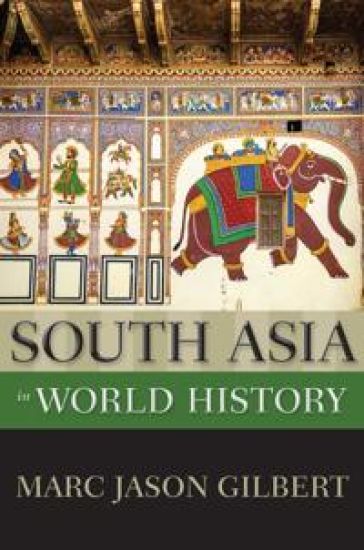
South Asia in World History

South Asia in World History

Marc Jason Gilbert

Oxford University Press Inc
2017
sidottu
It can be said of South Asia what has long been said of its great epic poem, the Mahabharata: "there is nothing in it that cannot be found elsewhere in the world and nothing in the world that cannot be found there." South Asia's historic trans-regional connections to the wider world include the trade between its most ancient civilization with Sumer and central Asia, the diffusion beyond its shores of three of the world's major religions (Hinduism, Buddhism, and Sikhism), its cultural encounters with the Greeks, Islam, European imperialism, the spread of it cuisine (from crystalized sugar to "curry"), and its architecture (including the world's most recognized building, the Taj Mahal). While these connections have insured that South Asia has always loomed large in the consideration of the world's collective past, its societies are currently undergoing a transformation that may enable them to rival the United States and China as the world's largest economy. This study employs accessible language and an engaging narrative to provide insight into how world historical processes, from changes in environment to the movement of peoples and ideas, have shaped and continue to shape the history of South Asia and its place in the wider world.

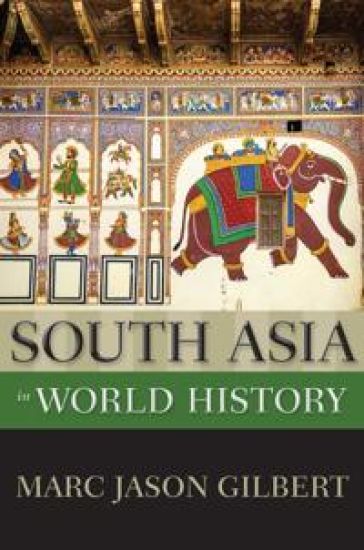
South Asia in World History

South Asia in World History

Marc Jason Gilbert

Oxford University Press Inc
2017
nidottu
It can be said of South Asia what has long been said of its great epic poem, the Mahabharata: "there is nothing in it that cannot be found elsewhere in the world and nothing in the world that cannot be found there." South Asia's historic trans-regional connections to the wider world include the trade between its most ancient civilization with Sumer and central Asia, the diffusion beyond its shores of three of the world's major religions (Hinduism, Buddhism, and Sikhism), its cultural encounters with the Greeks, Islam, European imperialism, the spread of it cuisine (from crystalized sugar to "curry"), and its architecture (including the world's most recognized building, the Taj Mahal). While these connections have insured that South Asia has always loomed large in the consideration of the world's collective past, its societies are currently undergoing a transformation that may enable them to rival the United States and China as the world's largest economy. This study employs accessible language and an engaging narrative to provide insight into how world historical processes, from changes in environment to the movement of peoples and ideas, have shaped and continue to shape the history of South Asia and its place in the wider world.