Kirjojen hintavertailu – 12 903 725 kirjaa ja 27 kauppaa

Kirjailija

Marc S. Micozzi

Kirjat ja teokset yhdessä paikassa: 6 kirjaa, julkaisuja vuosilta 2010–2018, suosituimpiin kuuluu Your Emotional Type. Vertaile teosten hintoja ja tarkista saatavuus suomalaisista kirjakaupoista.

6 kirjaa

Kirjojen julkaisuvuodet: 2010–2018.

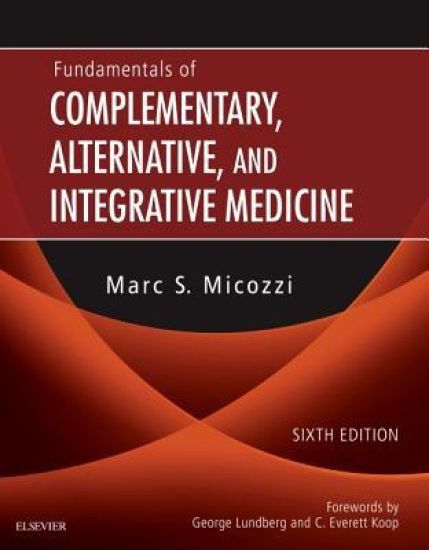
Fundamentals of Complementary, Alternative, and Integrative Medicine
**Selected for Doody’s Core Titles® 2024 in Complementary & Integrative Health** Get a solid, global foundation of the therapies and evidence-based clinical applications of CAI. Fundamentals of Complementary, Alternative, and Integrative Medicine, 6th Edition is filled with the most up-to-date information on scientific theory and research of holistic medicine from experts around the world. The 6th edition of this acclaimed text includes all new content on quantum biology and biofields in health and nursing, integrative mental health care, and homeopathic medicine. Its wide range of topics explores therapies most commonly seen in the U. S., such as energy medicine, mind-body therapies, and reflexology along with traditional medicine and practices from around the world. With detailed coverage of historic and contemporary applications, this text is a solid resource for all practitioners in the medical, health, and science fields! Coverage of CAI therapies and systems includes those most commonly encountered or growing in popularity, so you can carefully evaluate each treatment. An evidence-based approach focuses on treatments best supported by clinical trials and scientific evidence. Observations from mechanisms of action to evidence of clinical efficacy answers questions of how, why, and when CAM therapies work. A unique synthesis of information, including historical usage, cultural and social analysis, current basic science theory and research, and a wide range of clinical investigations and observations, makes this text a focused, authoritative resource. Global coverage includes discussions of traditional healing arts from Europe, Asia, Africa, and the Americas. Clinical guides for selecting therapies, and new advances for matching the appropriate therapy to the individual patient, enables you to offer and/or recommend individualized patient care. Expert contributors include well-known writers such as Kevin Ergil, Patch Adams, Joseph Pizzorno, and Marc Micozzi. A unique history of CAI?traces CAM therapies from their beginnings to present day practices. Suggested readings and references on the companion website list the best resources for further research and study. NEW! Added chapters offer fresh perspective on quantum biology and biofields in health and nursing, integrative mental health care, and homeopathic medicine. NEW! Updated chapters?feature new content and topics, including: challenges in integrative medicine, legal issues, CAI in the community, psychometric evaluation, placebo effect, stress management, and much more! NEW! Updated guides?on common herbal remedies?in clinical practice, East and Southeast Asia, and native North and South America deliver the latest information. NEW! Basic science content and new theory and research studies?cover a wide range of sciences such as biophysics, biology and ecology, ethnomedicine, psychometrics, neurosciences, and systems theory. NEW! Expanded global ethnomedical systems?includes new content on Shamanism and Neo-Shamanism, Central and North Asia, Southeast Asia, Nepal and Tibet, Hawaii and South Pacific, Alaska and Pacific Northwest, and contemporary global healthcare.
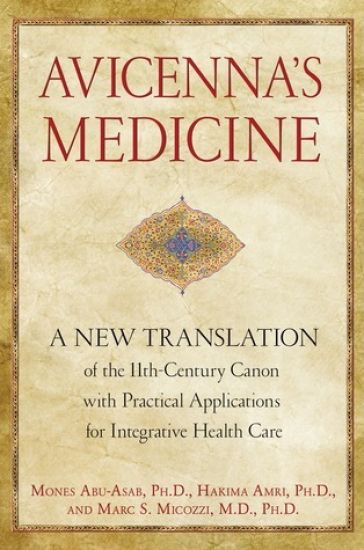
Avicenna's Medicine

Avicenna's Medicine

Mones Abu-Asab; Hakima Amri; Marc S. Micozzi

Healing Arts Press
2013
sidottu

Halvin toimitettuna 30,10 €

A millennium after his life, Avicenna remains one of the most highly regarded physicians of all time. His Canon of Medicine, also known as the Qanun, is one of the most famous and influential books in the history of medicine, forming the basis for our modern understanding of human health and disease. It focused not simply on the treatment of symptoms, but on finding the cause of illness through humoral diagnosis—a method still used in traditional Unani and Ayurvedic medicines in India. Originally written in Arabic, Avicenna’s Canonwas long ago translated into Latin, Persian, and Urdu, yet many of the inaccuracies from those first translations linger in current English translations. Translated directly from the original Arabic, this volume includes detailed commentary to explain current biomedical interpretations of Avicenna’s theories and ways to apply his treatments today, particularly for individualized medicine. It shows how Avicenna’s understanding of the humors corresponds directly with the biomedical definition of proteins, lipids, and organic acids: the nutrient building blocks of our blood and body. With this new translation of the first volume of his monumental work, Avicenna’s Canonbecomes just as relevant today as it was 1,000 years ago.
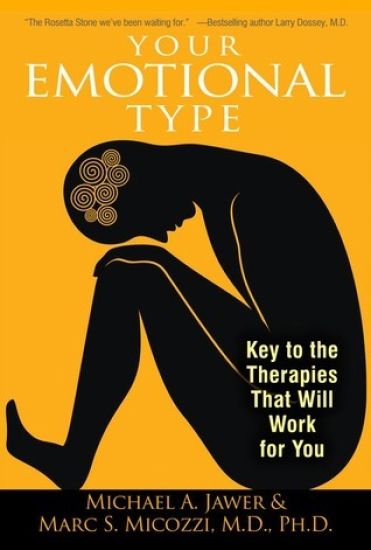
Your Emotional Type

Your Emotional Type

Michael A. Jawer; Marc S. Micozzi

Healing Arts Press
2011
pokkari
· Provides an easy questionnaire to find your emotional type · Identifies the connections between emotional type and 12 common chronic ailments: asthma, allergies, chronic fatigue, depression, fibromyalgia, hypertension, irritable bowel, migraines, PTSD, psoriasis, rheumatoid arthiritis and ulcers · Explains which of 7 mind/body healing therapies works best for each emotional type Different people process their feelings in different ways - your emotional style is a fundamental aspect of who you are. It affects more than just your outlook on life; it can affect your well-being as well. Many chronic ailments are not the result of germs or genes but are rooted in our emotional biology. The link between emotional type and health explains why modern medicine - which views treatment as "one size fits all" - often fails to successfully treat chronic pain and illness. Examining the interplay of emotions, chronic illness and pain and treatment success, Michael Jawer and Dr. Marc Micozzi reveal how chronic conditions are intrinsically linked to certain emotional types and how these ailments are best treated by choosing a healing therapy in line with your type. Explaining the emotional ties behind the 12 most common chronic illnesses the authors provide an easy assessment survey that allows you to identify your emotional type as well as the ailments you are susceptible to. Extending this connection between mind and body, they assess 7 alternative healing therapies - acupuncture, hypnosis, biofeedback, meditation, yoga, guided imagery and relaxation techniques - and indicate which methods work best for each emotional type. Empowering you as a patient to seek out the therapies that will work best for you, this book offers a welcome path to effective pain relief and sustainable health.
Teaching Mindfulness

Teaching Mindfulness

Donald McCown; Diane K. Reibel; Marc S. Micozzi

Springer-Verlag New York Inc.
2011
nidottu
The applications and use of mindfulness-based interventions in medicine, mental health care, and education have been expanding as rapidly as the empirical evidence base that is validating and recommending them. This growth has created a powerful demand for professionals who can effectively deliver these interventions, and for the training of new professionals who can enter the fold. Ironically, while the scientific literature on mindfulness has surged, little attention has been paid to the critical who and how of mindfulness pedagogy. Teaching Mindfulness is the first in-depth treatment of the person and skills of the mindfulness teacher. It is intended as a practical guide to the landscape of teaching, to help those with a new or growing interest in mindfulness-based interventions to develop both the personal authenticity and the practical know-how that can make teaching mindfulness a highly rewarding and effective way of working with others. The detail of theory and praxis it contains can also help seasoned mindfulness practitioners and teachers to articulate and understand more clearly their own pedagogical approaches. Engagingly written and enriched with vignettes from actual classes and individual sessions, this unique volume:Places the current mindfulness-based interventions in their cultural and historical context to help clarify language use, and the integration of Eastern and Western spiritual and secular traditionsOffers a highly relational understanding of mindfulness practice that supports moment-by-moment work with groups and individualsProvides guidance and materials for a highly experiential exploration of the reader's personal practice, embodiment, and application of mindfulness Describes in detail the four essential skill sets of the mindfulness teacher Proposes a comprehensive, systematic model of the intentions of teaching mindfulness as they are revealed in the mindfulness-based interventionsIncludes sample scripts for a wide range of mindfulness practices, and an extensive resource section for continued personal and career development Essential for today's practitioners and teachers of mindfulness-based interventionsTeaching Mindfulness: A Practical Guide for Clinicians and Educators brings this increasingly important discipline into clearer focus, opening dialogue for physicians, clinical and health psychologists, clinical social workers, marriage and family therapists, professional counselors, nurses, occupational therapists, physical therapists, pastoral counselors, spiritual directors, life coaches, organizational development professionals, and teachers and professionals in higher education, in short, everyone with an interest in helping others find their way into the benefits of the present moment.
Teaching Mindfulness

Teaching Mindfulness

Donald McCown; Diane K. Reibel; Marc S. Micozzi

Springer-Verlag New York Inc.
2010
sidottu
The applications and use of mindfulness-based interventions in medicine, mental health care, and education have been expanding as rapidly as the empirical evidence base that is validating and recommending them. This growth has created a powerful demand for professionals who can effectively deliver these interventions, and for the training of new professionals who can enter the fold. Ironically, while the scientific literature on mindfulness has surged, little attention has been paid to the critical who and how of mindfulness pedagogy. Teaching Mindfulness is the first in-depth treatment of the person and skills of the mindfulness teacher. It is intended as a practical guide to the landscape of teaching, to help those with a new or growing interest in mindfulness-based interventions to develop both the personal authenticity and the practical know-how that can make teaching mindfulness a highly rewarding and effective way of working with others. The detail of theory and praxis it contains can also help seasoned mindfulness practitioners and teachers to articulate and understand more clearly their own pedagogical approaches. Engagingly written and enriched with vignettes from actual classes and individual sessions, this unique volume:Places the current mindfulness-based interventions in their cultural and historical context to help clarify language use, and the integration of Eastern and Western spiritual and secular traditionsOffers a highly relational understanding of mindfulness practice that supports moment-by-moment work with groups and individualsProvides guidance and materials for a highly experiential exploration of the reader's personal practice, embodiment, and application of mindfulness Describes in detail the four essential skill sets of the mindfulness teacher Proposes a comprehensive, systematic model of the intentions of teaching mindfulness as they are revealed in the mindfulness-based interventionsIncludes sample scripts for a wide range of mindfulness practices, and an extensive resource section for continued personal and career development Essential for today's practitioners and teachers of mindfulness-based interventionsTeaching Mindfulness: A Practical Guide for Clinicians and Educators brings this increasingly important discipline into clearer focus, opening dialogue for physicians, clinical and health psychologists, clinical social workers, marriage and family therapists, professional counselors, nurses, occupational therapists, physical therapists, pastoral counselors, spiritual directors, life coaches, organizational development professionals, and teachers and professionals in higher education, in short, everyone with an interest in helping others find their way into the benefits of the present moment.