

Kirjojen hintavertailu – 12 903 725 kirjaa ja 27 kauppaa

Kirjailija

Marcel Bogers

Kirjat ja teokset yhdessä paikassa: 3 kirjaa, julkaisuja vuosilta 2020–2026, suosituimpiin kuuluu Social Media for Research Impact. Vertaile teosten hintoja ja tarkista saatavuus suomalaisista kirjakaupoista.

3 kirjaa

Kirjojen julkaisuvuodet: 2020–2026.

Social Media for Research Impact

Social Media for Research Impact

Marcel Bogers; Mike Young

TAYLOR FRANCIS LTD
2026
sidottu
This book reviews the effects of the professional use of social media on science and scholarship, providing practical tips, tools, and guidelines for platforms, practices, and routines on social media for academics. Through concise case studies from researchers worldwide, it illustrates the diverse and often unexpected ways social media enhances academic work, from building collaborative networks and expanding audience reach to creating real-world impact. Coverage includes established platforms like LinkedIn and X (formerly Twitter), emerging spaces such as Bluesky, and creative academic applications of platforms like Reddit and WhatsApp. At its core, this guide emphasises intentional engagement over self-promotion, focusing on meaningful communication, community development, and knowledge sharing. It introduces the Researcher’s Social Media Compass, a framework to help you align your online activity with your professional aims, values, and resources. Social Media for Research Impact is of interest to researchers at all career stages, as well as research managers, advisors, and communication professionals who support research visibility and collaboration through social media.
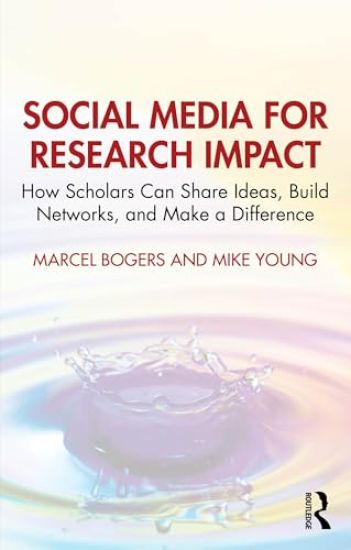
Social Media for Research Impact

Social Media for Research Impact

Marcel Bogers; Mike Young

TAYLOR FRANCIS LTD
2026
nidottu
This book reviews the effects of the professional use of social media on science and scholarship, providing practical tips, tools, and guidelines for platforms, practices, and routines on social media for academics. Through concise case studies from researchers worldwide, it illustrates the diverse and often unexpected ways social media enhances academic work, from building collaborative networks and expanding audience reach to creating real-world impact. Coverage includes established platforms like LinkedIn and X (formerly Twitter), emerging spaces such as Bluesky, and creative academic applications of platforms like Reddit and WhatsApp. At its core, this guide emphasises intentional engagement over self-promotion, focusing on meaningful communication, community development, and knowledge sharing. It introduces the Researcher’s Social Media Compass, a framework to help you align your online activity with your professional aims, values, and resources. Social Media for Research Impact is of interest to researchers at all career stages, as well as research managers, advisors, and communication professionals who support research visibility and collaboration through social media.
An Open Innovation Framework for Future low Carbon Cities

An Open Innovation Framework for Future low Carbon Cities

Peter Vangsbo; Marcel Bogers; Majken Overgaard

LAP Lambert Academic Publishing
2020
pokkari
Open Innovation in the form of case competitions, open innovation calls or hackathons have in the past decade or two become a favorite tool for organisations seeking to address sustainability challenges and creating systems change - and there are good reasons for this. From a value creation perspective, open innovation often pays off on several accounts if done well: it creates new and innovate solutions to real world problems, it brings together organisations and individuals in a working relationship and thus strengthens the innovation ecosystem around the challenge, and it is relatively cheap compared to other options for seeking innovation and solutions. The case example explained in this publication is catalyse systemic change through innovation in areas of human activity that have a critical impact on greenhouse gas emissions - cities, materials and finance - and to create climate-resilient communities. Catalysing systemic change through innovation means connecting a supply of innovation with demand-side actors: problem-owners and those with high ambition for change.