Kirjojen hintavertailu – 12 859 819 kirjaa ja 27 kauppaa

Kirjailija

Marcel Kornfeld

Kirjat ja teokset yhdessä paikassa: 6 kirjaa, julkaisuja vuosilta 2003–2022, suosituimpiin kuuluu Islands on the Plains. Vertaile teosten hintoja ja tarkista saatavuus suomalaisista kirjakaupoista.

6 kirjaa

Kirjojen julkaisuvuodet: 2003–2022.

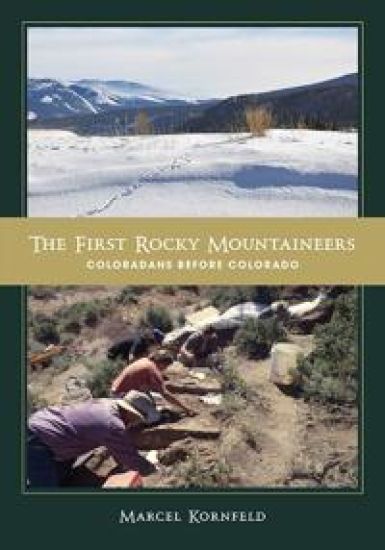
The First Rocky Mountaineers

The First Rocky Mountaineers

Marcel Kornfeld

University of Utah Press,U.S.
2022
nidottu
Based on archaeological research in Colorado’s Middle Park—a high mountain basin initially encountered by Europeans in the early 1800s and occupied for centuries by the Ute people—The First Rocky Mountaineers is a prehistory of the earliest people of the region at the conclusion of the Ice Age. The Utes and their predecessors lived and thrived for 12,000 years in this high mountain setting, an environment that demanded unique adaptive strategies because of cold stress and hypoxic conditions. People of Middle Park coped with some of the most extreme conditions of any prehistoric population in North America, dealing with the stressors of high elevations and low temperatures by intensifying food acquisition, constructing shelters, and tailoring sophisticated warm clothing. The archaeological record of these early Coloradans, while still meager, provides a wealth of information about lifeways in the Rocky Mountain high country. The first inhabitants of Rocky Mountain high country left a rich record of shelters, tools, and projectile points as well as food residues in the form of bison bone, all dating between 12,000 and 9,000 years ago. This record provides a robust database for interpreting their lifeways and unique adaptations. Kornfeld offers the first treatment of the original Middle Park and Rocky Mountain human populations from a biocultural perspective. This approach suggests that both biological and cultural processes frame the outcome of a successful human adaptation. While such a process may be resisted by some anthropologists investigating low-elevation groups, it is essential when trying to understand the dynamics of those living in the high country. Chosen by Foreword as the 2014 bronze winner in science.
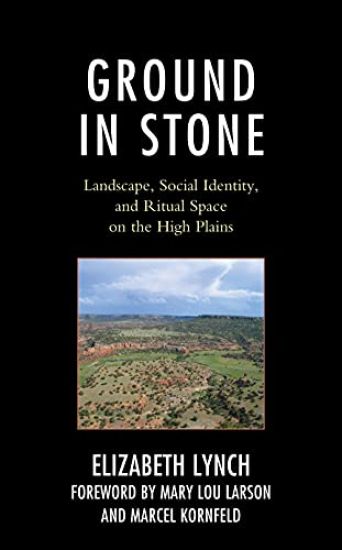
Ground in Stone

Ground in Stone

Elizabeth Lynch; Mary Lou Larson; Marcel Kornfeld

BLOOMSBURY PUBLISHING PLC
2021
sidottu
In Ground in Stone: Landscape, Social Identity, and Ritual Space on the High Plains, Elizabeth Lynch examines the insights and challenges of bedrock ground stone research in archaeological inquiry. Ground in Stone includes analyses of case studies to illustrate field data collection techniques as well as the rich social lives of ground in stone on the Chaquaqua Plateau. Lynch argues that the bedrock features in southeastern Colorado offer valuable insight into the archaeology of the High Plains because they are spaces where people gathered to craft important products—food, tools, and art. In doing so, these places anchored human movement to the landscape and became integral to story-telling and cultural lifeways.
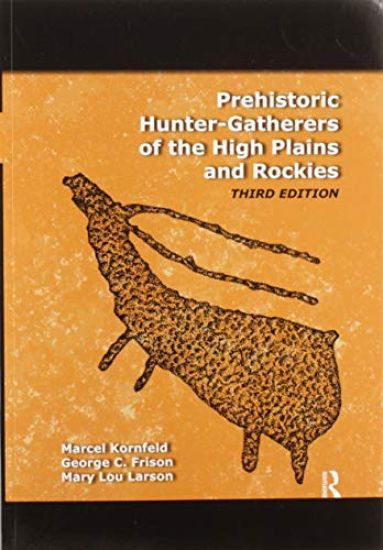
Prehistoric Hunter-Gatherers of the High Plains and Rockies

Prehistoric Hunter-Gatherers of the High Plains and Rockies

Marcel Kornfeld; George C Frison; Mary Lou Larson

Routledge
2020
nidottu
George Frison’s Prehistoric Hunters of the High Plains has been the standard text on plains prehistory since its first publication in 1978, influencing generations of archaeologists. Now, a third edition of this classic work is available for scholars, students, and avocational archaeologists. Thorough and comprehensive, extensively illustrated, the book provides an introduction to the archaeology of the more than 13,000 year long history of the western Plains and the adjacent Rocky Mountains. Reflecting the boom in recent archaeological data, it reports on studies at a wide array of sites from deep prehistory to recent times examining the variability in the archeological record as well as in field, analytical, and interpretive methods. The 3rd edition brings the book up to date in a number of significant areas, as well as addressing several topics inadequately developed in previous editions.
Prehistoric Hunter-Gatherers of the High Plains and Rockies

Prehistoric Hunter-Gatherers of the High Plains and Rockies

Marcel Kornfeld; George C Frison; Mary Lou Larson

Left Coast Press Inc
2010
sidottu
George Frison’s Prehistoric Hunters of the High Plains has been the standard text on plains prehistory since its first publication in 1978, influencing generations of archaeologists. Now, a third edition of this classic work is available for scholars, students, and avocational archaeologists. Thorough and comprehensive, extensively illustrated, the book provides an introduction to the archaeology of the more than 13,000 year long history of the western Plains and the adjacent Rocky Mountains. Reflecting the boom in recent archaeological data, it reports on studies at a wide array of sites from deep prehistory to recent times examining the variability in the archeological record as well as in field, analytical, and interpretive methods. The 3rd edition brings the book up to date in a number of significant areas, as well as addressing several topics inadequately developed in previous editions.
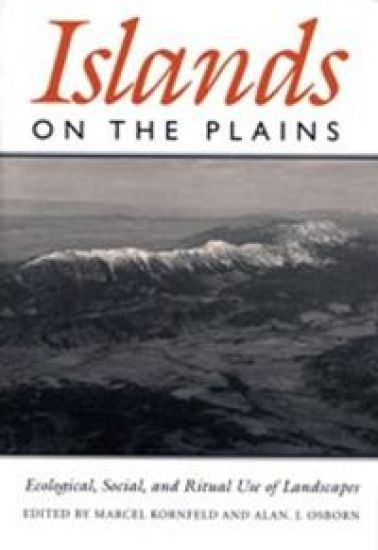
Islands on the Plains

Islands on the Plains

Marcel Kornfeld

University of Utah Press,U.S.
2003
sidottu
Scattered throughout the Great Plains are many isolated areas of varying size and ecology, quite distinct from the surrounding grasslands. Such spaces can be uplands like the Black Hills, low hills like the Nebraska Sand Hills, or linear areas such as shallow river valleys and deeply incised canyons. While the notion of “islands” is not a new one among ecologists, its application in Plains archaeology is. The contributors to this volume seek to illustrate the different ways that the spatial, structural, and temporal nature of islands conditioned the behavior and adaptation of past Plains peoples. This as a first step toward a more detailed analysis of habitat variation and its effects on Plains cultural dynamics and evolution. Although the emphasis is on ecology, several chapters also address social and ideological islands in the form of sacred sites and special hunting grounds.