Kirjojen hintavertailu – 12 903 725 kirjaa ja 27 kauppaa

Kirjailija

Marcus Grant

Kirjat ja teokset yhdessä paikassa: 9 kirjaa, julkaisuja vuosilta 2005–2025, suosituimpiin kuuluu Shaping Neighbourhoods. Vertaile teosten hintoja ja tarkista saatavuus suomalaisista kirjakaupoista.

9 kirjaa

Kirjojen julkaisuvuodet: 2005–2025.

Shaping Neighbourhoods

Shaping Neighbourhoods

Hugh Barton; Marcus Grant; Richard Guise

Routledge
2021
nidottu
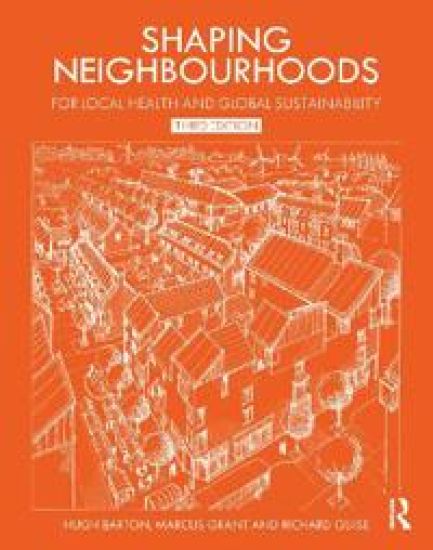
Shaping Neighbourhoods is unique in combining all aspects of the spatial planning of neighbourhoods and towns whilst emphasising positive outcomes for people’s health and global sustainability. This new edition retains the combination of radicalism, evidence-based advice and pragmatism that made earlier editions so popular. This updated edition strengthens guidance in relation to climate change and biodiversity, tackling crises of population health that are pushing up health-care budgets, but have elements of their origins in poor place spatial planning – such as isolation, lack of everyday physical activity, and respiratory problems. It is underpinned by new research into how people use their localities, and the best way to achieve inclusive, healthy, low-carbon settlements. The guide can assist with:• Understanding the principles for planning healthy and sustainable neighbourhoods and towns• Planning collaborative and inclusive processes for multi-sectoral working• Developing know-how and skills in matching local need with urban form• Discovering new ways to integrate development with natural systems • Designing places with character and recognising good urban formWhether you are a student faced with a local planning project; a public health professional, planner, urban designer or developer involved in new development or regeneration; a council concerned with promoting healthy and sustainable environments; or a community group wanting to improve your neighbourhood – you will find help here.
Shaping Neighbourhoods

Shaping Neighbourhoods

Hugh Barton; Marcus Grant; Richard Guise

Routledge
2021
sidottu
Shaping Neighbourhoods is unique in combining all aspects of the spatial planning of neighbourhoods and towns whilst emphasising positive outcomes for people’s health and global sustainability. This new edition retains the combination of radicalism, evidence-based advice and pragmatism that made earlier editions so popular. This updated edition strengthens guidance in relation to climate change and biodiversity, tackling crises of population health that are pushing up health-care budgets, but have elements of their origins in poor place spatial planning – such as isolation, lack of everyday physical activity, and respiratory problems. It is underpinned by new research into how people use their localities, and the best way to achieve inclusive, healthy, low-carbon settlements. The guide can assist with:• Understanding the principles for planning healthy and sustainable neighbourhoods and towns• Planning collaborative and inclusive processes for multi-sectoral working• Developing know-how and skills in matching local need with urban form• Discovering new ways to integrate development with natural systems • Designing places with character and recognising good urban formWhether you are a student faced with a local planning project; a public health professional, planner, urban designer or developer involved in new development or regeneration; a council concerned with promoting healthy and sustainable environments; or a community group wanting to improve your neighbourhood – you will find help here.

Alcohol: The Prevention Debate

Alcohol: The Prevention Debate

Marcus Grant; Bruce Ritson

TAYLOR FRANCIS LTD
2025
nidottu
In the early 1980s, emphasis had shifted from the treatment of alcohol problems to their prevention. Yet no clear integrated policy yet existed about how alcohol problems could best be prevented. Many different strategies were put forward as solutions but some were in competition with each other, while some were actually incompatible. Originally published in 1983, what this book does is to draw together a cross section of these different and competing voices so as to give a sense of the quality and direction of the great alcohol debate at the time. After setting into context some of the basic questions to do with the prevention of alcohol problems, the authors knit together and juxtapose short contributions from a very wide variety of experts from around the world. Clinicians, educators, sociologists, advertisers, marketing men, economists, philosophers, geneticists and international civil servants present different points of view on health education, the media, advertising, trade, the law, the environment and on the ethical basis of the debate itself. The authors bravely attempt to pull some general sense out of this profusion of what the way ahead is likely to be. It should be noted that this reissue very much reflects the context of the times in which it was written and that the contributors were participating in a debate where differences of opinion were actively encouraged.
Alcohol: The Prevention Debate

Alcohol: The Prevention Debate

Marcus Grant; Bruce Ritson

TAYLOR FRANCIS LTD
2023
sidottu
In the early 1980s, emphasis had shifted from the treatment of alcohol problems to their prevention. Yet no clear integrated policy yet existed about how alcohol problems could best be prevented. Many different strategies were put forward as solutions but some were in competition with each other, while some were actually incompatible. Originally published in 1983, what this book does is to draw together a cross section of these different and competing voices so as to give a sense of the quality and direction of the great alcohol debate at the time. After setting into context some of the basic questions to do with the prevention of alcohol problems, the authors knit together and juxtapose short contributions from a very wide variety of experts from around the world. Clinicians, educators, sociologists, advertisers, marketing men, economists, philosophers, geneticists and international civil servants present different points of view on health education, the media, advertising, trade, the law, the environment and on the ethical basis of the debate itself. The authors bravely attempt to pull some general sense out of this profusion of what the way ahead is likely to be. It should be noted that this reissue very much reflects the context of the times in which it was written and that the contributors were participating in a debate where differences of opinion were actively encouraged.