Kirjailija
Marcus Tullius Cicero
Kirjat ja teokset yhdessä paikassa: 1 147 kirjaa, julkaisuja vuosilta 1804–2026, suosituimpiin kuuluu Keskusteluja Tusculumissa. Vertaile teosten hintoja ja tarkista saatavuus suomalaisista kirjakaupoista.
1 147 kirjaa
Kirjojen julkaisuvuodet: 1804–2026.
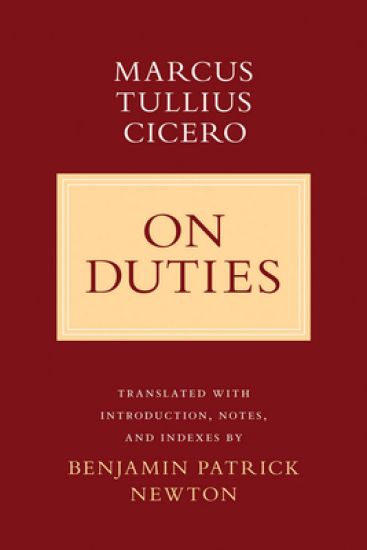
"This new translation of Cicero's De Officiis, which combines scrupulous faithfulness to the Latin text with smooth readability in English, is a welcome gift to students of manners, morals, ethics, and politics. Cicero’s classic book, somewhat neglected over the last century or so, is due for a revival of interest; this translation, together with its helpful aids to interpretation, should contribute to that end."â•James H. Nichols, Claremont McKenna Colleg This new edition of On Duties aims to provide readers who cannot read Latin but wish to study the book with a literal yet elegant translation. It features an introduction, outline, footnotes, interpretative essay, glossary, and indexes, making Cicero’s thought accessible to a general audience. Benjamin Patrick Newton’s translation of Cicero’s On Duties is the most complete edition of a text that has been considered a source of moral authority throughout classical, medieval, and modern times. Marcus Tullius Cicero was a preeminent Roman statesman, orator, and philosopher who introduced philosophy into Rome, and through Rome, into Christendom and the modern world. On Duties was championed by important thinkers including Thomas Aquinas, Montesquieu, and Voltaire, and it was one of the earliest books printed on the Gutenberg press. The true significance of On Duties lies in its examination of several fundamental problems of political philosophy, the most important being the possible conflict between the honorable and the useful. The honorable encompasses the virtues of human beings, which include justice and concern for the common good. The useful refers to the needs of living beings, which includes certain necessities and concern for private good. Only by understanding the possible conflict between these two sides of human nature, Cicero declares, may we understand our duties to our community and to ourselves.
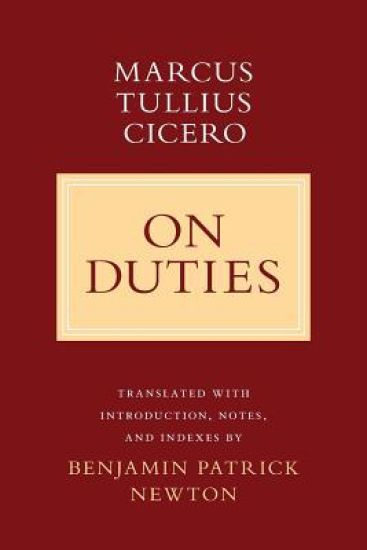
"This new translation of Cicero's De Officiis, which combines scrupulous faithfulness to the Latin text with smooth readability in English, is a welcome gift to students of manners, morals, ethics, and politics. Cicero’s classic book, somewhat neglected over the last century or so, is due for a revival of interest; this translation, together with its helpful aids to interpretation, should contribute to that end."â•James H. Nichols, Claremont McKenna Colleg This new edition of On Duties aims to provide readers who cannot read Latin but wish to study the book with a literal yet elegant translation. It features an introduction, outline, footnotes, interpretative essay, glossary, and indexes, making Cicero’s thought accessible to a general audience. Benjamin Patrick Newton’s translation of Cicero’s On Duties is the most complete edition of a text that has been considered a source of moral authority throughout classical, medieval, and modern times. Marcus Tullius Cicero was a preeminent Roman statesman, orator, and philosopher who introduced philosophy into Rome, and through Rome, into Christendom and the modern world. On Duties was championed by important thinkers including Thomas Aquinas, Montesquieu, and Voltaire, and it was one of the earliest books printed on the Gutenberg press. The true significance of On Duties lies in its examination of several fundamental problems of political philosophy, the most important being the possible conflict between the honorable and the useful. The honorable encompasses the virtues of human beings, which include justice and concern for the common good. The useful refers to the needs of living beings, which includes certain necessities and concern for private good. Only by understanding the possible conflict between these two sides of human nature, Cicero declares, may we understand our duties to our community and to ourselves.
M. Tullii Ciceronis Somnium Scipionis
Marcus Tullius Cicero
Createspace Independent Publishing Platform
2016
nidottu

Oeuvres Complètes Avec La Traduction En Français. Tome 4
Marcus Tullius Cicero
Hachette Livre - BNF
2016
pokkari
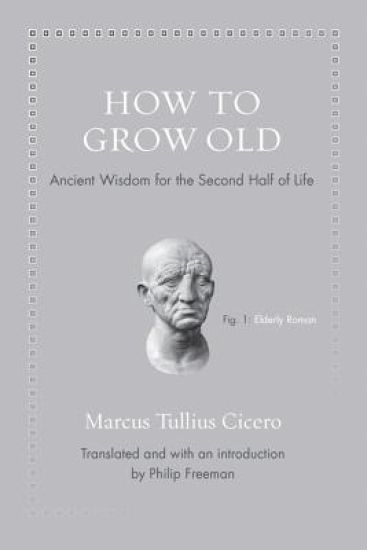
How to Grow Old
Marcus Tullius Cicero
PRINCETON UNIVERSITY PRESS
2016
sidottu
Halvin toimitettuna 20,90 €
Worried that old age will inevitably mean losing your libido, your health, and possibly your marbles too? Well, Cicero has some good news for you. In How to Grow Old, the great Roman orator and statesman eloquently describes how you can make the second half of life the best part of all--and why you might discover that reading and gardening are actually far more pleasurable than sex ever was. Filled with timeless wisdom and practical guidance, Cicero's brief, charming classic--written in 44 BC and originally titled On Old Age--has delighted and inspired readers, from Saint Augustine to Thomas Jefferson, for more than two thousand years. Presented here in a lively new translation with an informative new introduction and the original Latin on facing pages, the book directly addresses the greatest fears of growing older and persuasively argues why these worries are greatly exaggerated--or altogether mistaken. Montaigne said Cicero's book "gives one an appetite for growing old." The American founding father John Adams read it repeatedly in his later years. And today its lessons are more relevant than ever in a world obsessed with the futile pursuit of youth.
Rede für t. Annius Milo
Marcus Tullius Cicero
Createspace Independent Publishing Platform
2016
nidottu
Rede f r t. Annius Milo by Marcus Tullius Cicero. This book is a reproduction of the original book published in 1841 and may have some imperfections such as marks or hand-written notes.
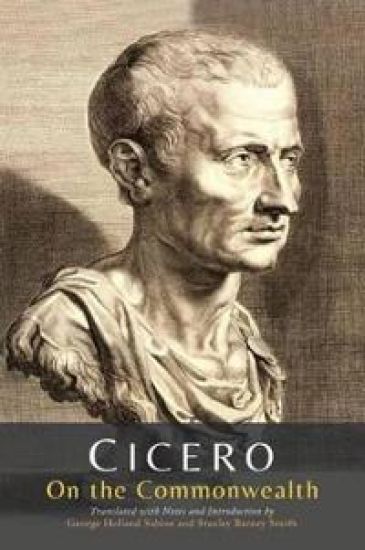
Cicero's Tusculan Disputations: also, Treaties on the Nature of the Gods and on the Commonwealth
Marcus Tullius Cicero
Createspace Independent Publishing Platform
2016
nidottu
Cicero: Tusculan Disputations, the Nature of the Gods, and the Commonwealth
Marcus Tullius Cicero
Createspace Independent Publishing Platform
2016
nidottu
Halvin toimitettuna 26,20 €
Cicero's Tusculan Disputations
Marcus Tullius Cicero
Createspace Independent Publishing Platform
2016
nidottu
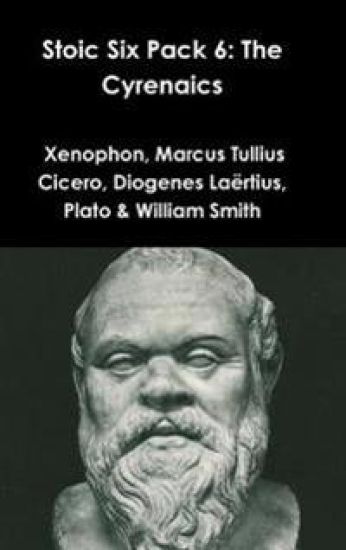
Stoic Six Pack 6: the Cyrenaics
Xenophon; Marcus Tullius Cicero; Diogenes Laertius; William Smith
Lulu.com
2015
sidottu
STOIC SIX PACK 6 - THE CYRENAICS: Aristippus Biographies by William Smith and Diogenes Laertius, On the Contempt of Death by Marcus Tullius Cicero, Dionysius the Renegade by Diogenes Laertius, Phaedo by Plato, Philebus by Plato and Aristippus vs Socrates by Xenophon.


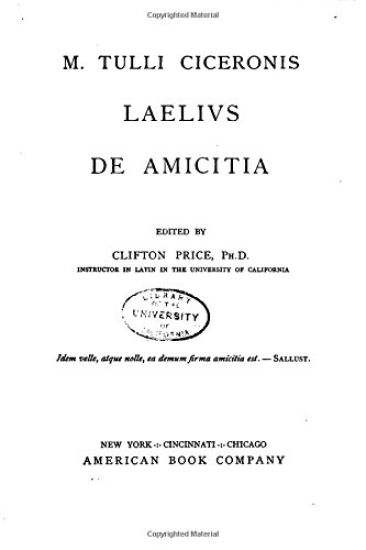
M. Tulli Ciceronis Laelivs de Amicitia
Marcus Tullius Cicero
Createspace Independent Publishing Platform
2015
nidottu