Kirjojen hintavertailu – 12 859 819 kirjaa ja 27 kauppaa

Kirjailija

Margaret Graver

Kirjat ja teokset yhdessä paikassa: 4 kirjaa, julkaisuja vuosilta 2007–2023, suosituimpiin kuuluu Letters on Ethics – To Lucilius. Vertaile teosten hintoja ja tarkista saatavuus suomalaisista kirjakaupoista.

4 kirjaa

Kirjojen julkaisuvuodet: 2007–2023.

Letters on Ethics – To Lucilius

Letters on Ethics – To Lucilius

Lucius Annaeus Seneca; Margaret Graver; A. A. Long

University of Chicago Press
2017
nidottu

Halvin toimitettuna 47,70 €

The Roman statesman and philosopher Seneca (4 BCE-65 CE) recorded his moral philosophy and reflections on life as a highly original kind of correspondence. Letters on Ethics includes vivid descriptions of town and country life in Nero's Italy, discussions of poetry and oratory, and philosophical training for Seneca's friend Lucilius. This volume, the first complete English translation in nearly a century, makes the Letters more accessible than ever before. Written as much for a general audience as for Lucilius, these engaging letters offer advice on how to deal with everything from nosy neighbors to sickness, pain, and death. Seneca uses the informal format of the letter to present the central ideas of Stoicism, for centuries the most influential philosophical system in the Mediterranean world. His lively and at times humorous expositions have made the Letters his most popular work and an enduring classic. Including an introduction and explanatory notes by Margaret Graver and A. A. Long, this authoritative edition will captivate a new generation of readers.

Seneca

Seneca

Margaret Graver

Cambridge University Press
2023
sidottu
Seneca stands apart from other philosophers of Greece and Rome not only for his interest in practical ethics, but also for the beauty and liveliness of his writing. These twelve in-depth essays take up a series of interrelated topics in his works, from his relation to Stoicism, Epicureanism, and other schools of thought; to the psychology of emotion and action and the management of anger and grief; to letter-writing, gift-giving, friendship, and kindness; to Seneca's innovative use of genre, style, and humor. Recalling Socrates's critique of philosophical writing in Plato's Phaedrus, this volume gives particular attention to Seneca's ideas about the techniques of reading, writing, and study that make philosophy beneficial to the individual and to society. Clear explanations and careful translations make the volume accessible to a wide range of readers.
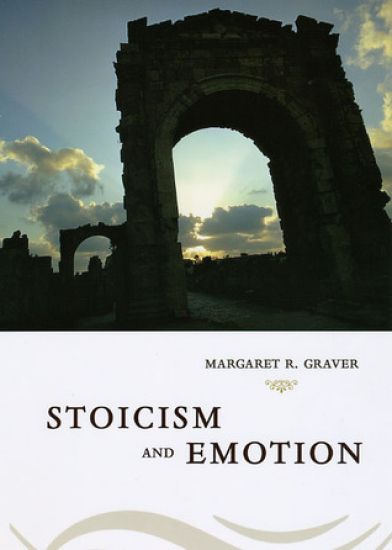
Stoicism and Emotion

Stoicism and Emotion

Margaret Graver

University of Chicago Press
2009
nidottu
On the surface, stoicism and emotion seem like contradictory terms. Yet the Stoic philosophers of ancient Greece and Rome were deeply interested in the emotions, which they understood as complex judgments about what we regard as valuable in our surroundings. "Stoicism and Emotion" shows that they did not simply advocate a suppression of feeling, as stoicism implies in today's English, but instead conducted a searching examination of these powerful psychological responses, seeking to understand what attitude toward them expresses the deepest respect for human potential. In this work, Margaret R. Graver gives a compelling new interpretation of the Stoic position. Drawing on a vast range of ancient sources, she argues that the chief demand of Stoic ethics is not that we should suppress or deny our feelings, but that we should perfect the rational mind at the core of every human being.
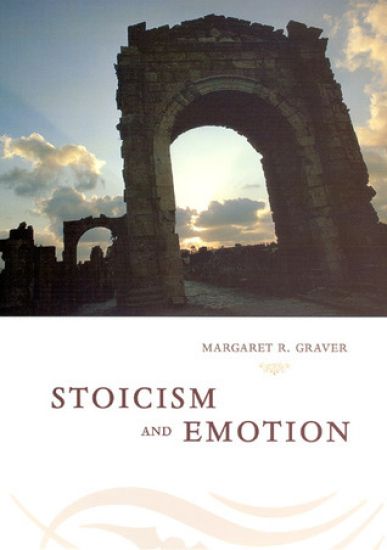
Stoicism and Emotion

Stoicism and Emotion

Margaret Graver

University of Chicago Press
2007
sidottu
On the surface, stoicism and emotion seem like contradictory terms. Yet the Stoic philosophers of ancient Greece and Rome were deeply interested in the emotions, which they understood as complex judgments about what we regard as valuable in our surroundings. "Stoicism and Emotion" shows that they did not simply advocate a suppression of feeling, as stoicism implies in today's English, but instead conducted a searching examination of these powerful psychological responses, seeking to understand what attitude toward them expresses the deepest respect for human potential. In this work, Margaret R. Graver gives a compelling new interpretation of the Stoic position. Drawing on a vast range of ancient sources, she argues that the chief demand of Stoic ethics is not that we should suppress or deny our feelings, but that we should perfect the rational mind at the core of every human being.