Kirjojen hintavertailu – 12 903 725 kirjaa ja 27 kauppaa

Kirjailija

Margarite Fernández Olmos

Kirjat ja teokset yhdessä paikassa: 6 kirjaa, julkaisuja vuosilta 1999–2022, suosituimpiin kuuluu U.S. Latino Literature. Vertaile teosten hintoja ja tarkista saatavuus suomalaisista kirjakaupoista.

Nimi esiintyy myös muodoissa: Margarite Fernandez Olmos

6 kirjaa

Kirjojen julkaisuvuodet: 1999–2022.

Creole Religions of the Caribbean, Third Edition

Creole Religions of the Caribbean, Third Edition

Margarite Fernández Olmos; Lizabeth Paravisini-Gebert

NEW YORK UNIVERSITY PRESS
2022
sidottu
An updated introduction to the religions developed in the Caribbean region Creole Religions of the Caribbean offers a comprehensive introduction to the overlapping religions that have developed as a result of the creolization process. Caribbean peoples drew on the variants of Christianity brought by European colonizers, as well as on African religious and healing traditions and the remnants of Amerindian practices, to fashion new systems of belief. From Vodou, Santería, Regla de Palo, the Abakuá Secret Society, and Obeah to Quimbois and Espiritismo, the volume traces the historical–cultural origins of the major Creole religions, as well as the newer traditions such as Rastafari. This third edition updates the scholarship by featuring new critical approaches that have been brought to bear on the study of religion, such as queer studies, environmental studies, and diasporic studies. The third edition also expands the regional considerations of the diaspora to the US Latinx communities that are influenced by Creole spiritual practices, taking into account the increased significance of material culture?art, music, literature, and healing practices influenced by Creole religions.

Creole Religions of the Caribbean, Third Edition

Creole Religions of the Caribbean, Third Edition

Margarite Fernández Olmos; Lizabeth Paravisini-Gebert

NEW YORK UNIVERSITY PRESS
2022
pokkari
An updated introduction to the religions developed in the Caribbean region Creole Religions of the Caribbean offers a comprehensive introduction to the overlapping religions that have developed as a result of the creolization process. Caribbean peoples drew on the variants of Christianity brought by European colonizers, as well as on African religious and healing traditions and the remnants of Amerindian practices, to fashion new systems of belief. From Vodou, Santería, Regla de Palo, the Abakuá Secret Society, and Obeah to Quimbois and Espiritismo, the volume traces the historical–cultural origins of the major Creole religions, as well as the newer traditions such as Rastafari. This third edition updates the scholarship by featuring new critical approaches that have been brought to bear on the study of religion, such as queer studies, environmental studies, and diasporic studies. The third edition also expands the regional considerations of the diaspora to the US Latinx communities that are influenced by Creole spiritual practices, taking into account the increased significance of material culture?art, music, literature, and healing practices influenced by Creole religions.
Creole Religions of the Caribbean

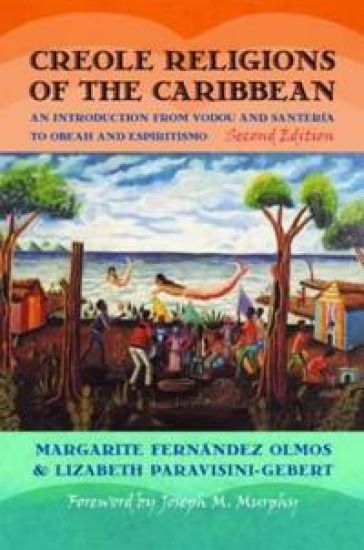
Creole Religions of the Caribbean

Lizabeth Paravisini-Gebert; Margarite Fernández Olmos; Joseph M. Murphy

New York University Press
2011
sidottu
A comprehensive introduction to the syncretic religions developed in the Caribbean region Creolization—the coming together of diverse beliefs and practices to form new beliefs and practices—is one of the most significant phenomena in Caribbean religious history. Brought together in the crucible of the sugar plantation, Caribbean peoples drew on the variants of Christianity brought by European colonizers, as well as on African religious and healing traditions and the remnants of Amerindian practices, to fashion new systems of belief. Creole Religions of the Caribbean offers a comprehensive introduction to the syncretic religions that have developed in the region. From Vodou, Santería, Regla de Palo, the Abakuá Secret Society, and Obeah to Quimbois and Espiritismo, the volume traces the historical–cultural origins of the major Creole religions, as well as the newer traditions such as Pocomania and Rastafarianism. This second edition updates the scholarship on the religions themselves and also expands the regional considerations of the Diaspora to the U. S. Latino community who are influenced by Creole spiritual practices. Fernández Olmos and Paravisini–Gebert also take into account the increased significance of material culture—art, music, literature—and healing practices influenced by Creole religions.
Creole Religions of the Caribbean

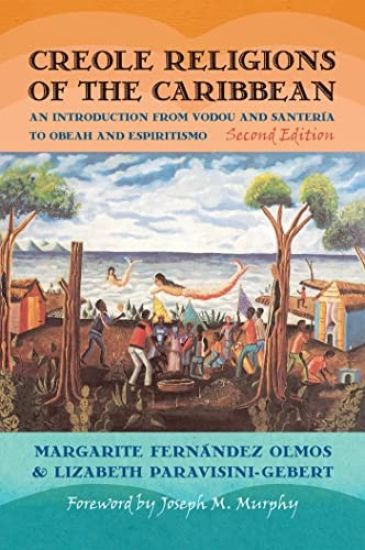
Creole Religions of the Caribbean

Lizabeth Paravisini-Gebert; Margarite Fernández Olmos; Joseph M. Murphy

New York University Press
2011
pokkari
A comprehensive introduction to the syncretic religions developed in the Caribbean region Creolization—the coming together of diverse beliefs and practices to form new beliefs and practices—is one of the most significant phenomena in Caribbean religious history. Brought together in the crucible of the sugar plantation, Caribbean peoples drew on the variants of Christianity brought by European colonizers, as well as on African religious and healing traditions and the remnants of Amerindian practices, to fashion new systems of belief. Creole Religions of the Caribbean offers a comprehensive introduction to the syncretic religions that have developed in the region. From Vodou, Santería, Regla de Palo, the Abakuá Secret Society, and Obeah to Quimbois and Espiritismo, the volume traces the historical–cultural origins of the major Creole religions, as well as the newer traditions such as Pocomania and Rastafarianism. This second edition updates the scholarship on the religions themselves and also expands the regional considerations of the Diaspora to the U. S. Latino community who are influenced by Creole spiritual practices. Fernández Olmos and Paravisini–Gebert also take into account the increased significance of material culture—art, music, literature—and healing practices influenced by Creole religions.
U.S. Latino Literature

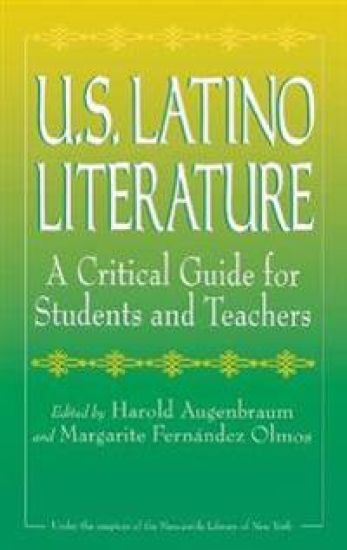
U.S. Latino Literature

Margarite Fernandez Olmos

Greenwood Press
2000
sidottu
Suggests ways to utilize Latino works in the classroom, providing profiles of Latino authors, contextual information about the literary and cultural significance of individual works, and critical essays on the themes the works address.
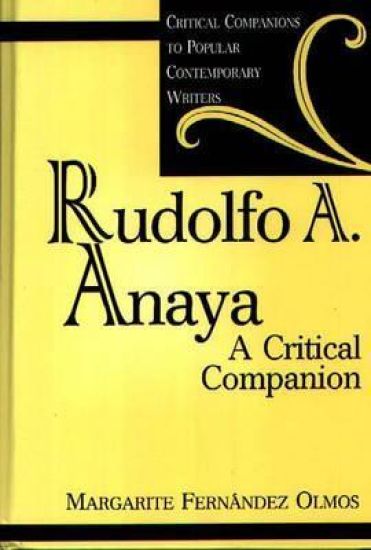
Rudolfo A. Anaya

Rudolfo A. Anaya

Margarite Fernandez Olmos

Greenwood Press
1999
sidottu
Rudolfo A. Anaya's seven novels can all be viewed in terms of the Chicano literary tradition though their rich texts have earned Anaya a place of respect in mainstream modern American literature. Fern^D'andez Olmos guides the reader through Anaya's literary world with clear signposts, illuminating the mythical, cultural, and linguistic complexities of his astounding stories. From his coming of age masterpiece Bless Me, Ultima (1972) to his most recent work Shaman Winter (1999) Anaya's writing with its rich spiritual symbolism is brought down to earth and made accessible to the student reader by Fern^D'andez Olmos insightful analyses. This work devotes a chapter to each novel, enabling Fern^D'andez Olmos to guide the reader through each, showing both the patterns and variations of literary devices in Anaya's works, while offering interesting alternative interpretations of Anaya's writing. Fern^D'andez Olmos presents a well-researched chapter on the life of Rudolfo Anaya, familiarizing readers with his Hispanic cultural background which figures so prominently in his writing. A chapter on Anaya and the Chicano literary tradition deepens the reader's understanding and appreciation of the writer's tremendous contributions. Fernández Olmos then devotes a full chapter to each of the novels, Bless Me, Ultima, Heart of Aztlán, Tortuga, and Alberqueque; his detective novels, Zia Summer and Rio Grande Fall; and his modern-day parable Jalamanta: A Message from the Desert. Student readers and researchers will find the bibliography which includes reviews, criticisms, and other secondary sources to be very helpful.