Kirjojen hintavertailu – 12 903 724 kirjaa ja 27 kauppaa

Kirjailija

Margaux Baum

Kirjat ja teokset yhdessä paikassa: 9 kirjaa, julkaisuja vuodelta 2016, suosituimpiin kuuluu Augustus. Vertaile teosten hintoja ja tarkista saatavuus suomalaisista kirjakaupoista.

9 kirjaa

Augustus

Augustus

Margaux Baum; Fiona Forsyth

Rosen Young Adult
2016
sidottu
The transformation of Rome from a republic into an empire was one of the most pivotal changes of its era, affecting the course of history for the Mediterranean world. Born at the time of civil and political unrest that embroiled Rome leading up to and surrounding the death of Julius Caesar, the man born Gaius Octavius, or Octavian, was Caesar's great-nephew. This book relates how, through political maneuvering and military prowess, he would become Augustus, the first emperor of the new Roman Empire. The story of how he cemented Rome's power will be of interest to fans of Roman history and casual readers alike.
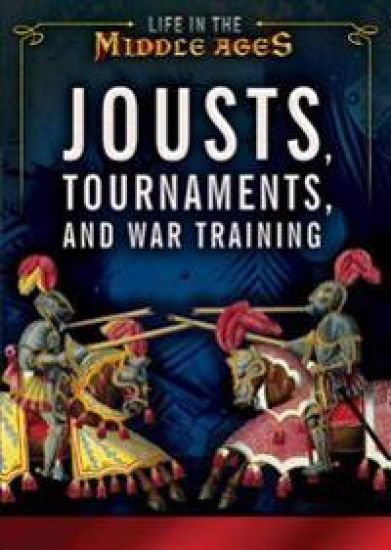
Jousts, Tournaments, and War Training

Jousts, Tournaments, and War Training

Margaux Baum; Andrea Hopkins Ph. D.

Rosen Central
2016
sidottu
Throughout Europe, medieval forces were either engaged in conflict or preparing for it through training. Arising from the need to keep the skills of warriors sharp and battle-ready, medieval jousting for knights on horseback became a widespread pastime. This book details how the culture of medieval tournaments arose around jousting and other games of combat, including both for the mounted cavalry (knights) and foot soldiers (in events such as melees) and became a central aspect of medieval court life. Readers will be further drawn in by the visual pageantry and artifacts depicted in the book's historical imagery.
The Fight Against Germs

The Fight Against Germs

Josepha Sherman; Margaux Baum

Rosen Central
2016
nidottu
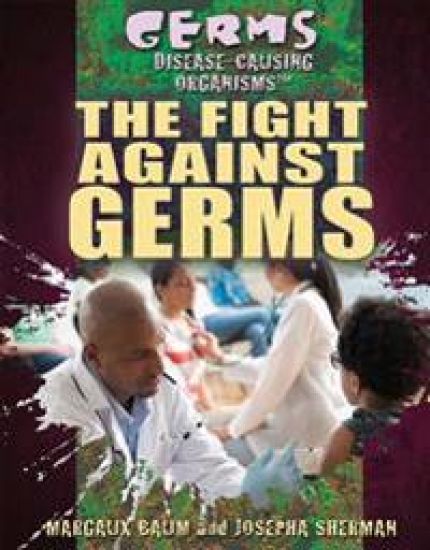
From the dawn of history, individuals and civilizations have battled disease. The struggle shifted once epidemiologists, medical professionals, and other specialists identified the microscopic organisms often to blame for much of humanity's illnesses over time. This book examines both the history of battling disease and the ever-shifting frontlines of the modern struggle against germs, as well as possible future developments. From cutting-edge medical treatments to common-sense measures to prevent and address the insidious effects of germs (measures that have changed remarkably little through the centuries), this work documents how the fight against germs helps the human race to survive and thrive.
Parasites

Parasites

Jennifer Viegas; Margaux Baum

Rosen Central
2016
nidottu
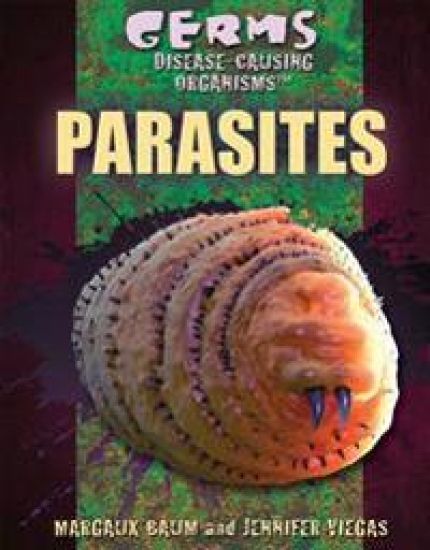
Though not thought about as much as viruses or bacteria, parasites are behind much sickness and suffering in both animals and humans all over the world. Parasites range from microscopic protozoans to insects like ticks and lice and intestinal worms. What they all have in common is that their survival comes at the expense of other living things. This book gives readers a solid introduction to these unpleasant but fascinating organisms, describes how they lead to illness, and discusses preventative measures and cures.
Fungi and Molds

Fungi and Molds

Jennifer Viegas; Margaux Baum

Rosen Central
2016
nidottu
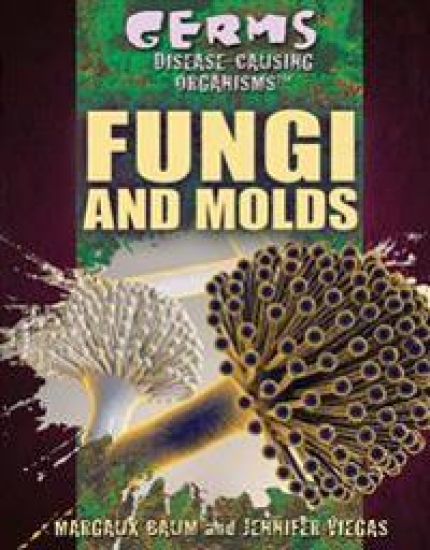
All around us, the natural world goes through cycles of growth and decay. Fungi, including molds, are crucial to these life cycles and can be both destructive and beneficial to humans. From the cultivation of mushrooms, through the molds employed to make cheeses and other food products, to water-damaged human environments where mold must be contained, this book explores these organisms that exist largely unseen all around us. This big-picture approach demonstrates how fungi differ from other organisms, how they affect the world, and their crucial role in our ecosystem.
Bacteria

Bacteria

Leslie Favor Ph. D.; Margaux Baum

Rosen Central
2016
nidottu
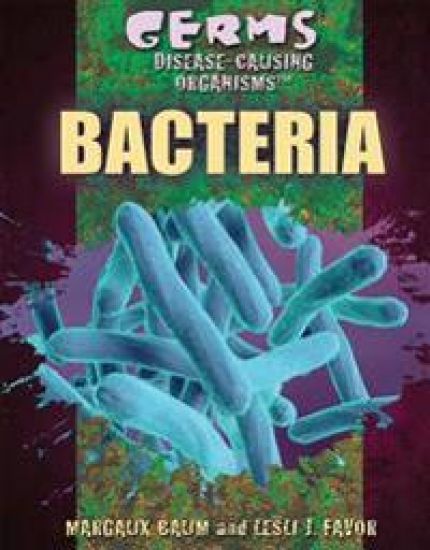
Bacteria and humankind interact in incredibly complex ways. Many bacteria can be both harmful to individuals and human society, but others are necessary to human digestion, food production, and many other processes that help humans thrive. This book delves into the various kinds of bacteria, their life cycles and habitats, and their interplay with us and with the natural world at large. Besides the informative details provided on bacteria themselves, this book will be especially valuable to readers who will appreciate the complex web of relationships that bacteria contribute to.
Viruses

Viruses

Natalie Goldstein; Margaux Baum

Rosen Central
2016
sidottu
The simplest living organisms on Earth, viruses are endlessly studied and yet remain a great mystery. They are the cause of many human and animal illnesses, from the numerous and common cold and flu viruses that plague us for a few days or weeks, to more insidious but treatable viral infections, such as HPV, to the most feared killer viruses, such as HIV and Ebola. In this book, readers explore the mechanics of how infections occur and what kinds of diseases arise from what types of viruses. They delve into the modern landscape of prevention and cure, including how vaccines work.
The Fight Against Germs

The Fight Against Germs

Josepha Sherman; Margaux Baum

Rosen Central
2016
sidottu
From the dawn of history, individuals and civilizations have battled disease. The struggle shifted once epidemiologists, medical professionals, and other specialists identified the microscopic organisms often to blame for much of humanity's illnesses over time. This book examines both the history of battling disease and the ever-shifting frontlines of the modern struggle against germs, as well as possible future developments. From cutting-edge medical treatments to common-sense measures to prevent and address the insidious effects of germs (measures that have changed remarkably little through the centuries), this work documents how the fight against germs helps the human race to survive and thrive.
Fungi and Molds

Fungi and Molds

Jennifer Viegas; Margaux Baum

Rosen Central
2016
sidottu
All around us, the natural world goes through cycles of growth and decay. Fungi, including molds, are crucial to these life cycles and can be both destructive and beneficial to humans. From the cultivation of mushrooms, through the molds employed to make cheeses and other food products, to water-damaged human environments where mold must be contained, this book explores these organisms that exist largely unseen all around us. This big-picture approach demonstrates how fungi differ from other organisms, how they affect the world, and their crucial role in our ecosystem.