Kirjojen hintavertailu – 12 859 824 kirjaa ja 27 kauppaa

Kirjailija

Margot Finn

Kirjat ja teokset yhdessä paikassa: 5 kirjaa, julkaisuja vuosilta 1993–2020, suosituimpiin kuuluu New Paths to Public Histories. Vertaile teosten hintoja ja tarkista saatavuus suomalaisista kirjakaupoista.

5 kirjaa

Kirjojen julkaisuvuodet: 1993–2020.

New Paths to Public Histories

New Paths to Public Histories

Margot Finn; Kate Smith

Palgrave Pivot
2015
sidottu
New Paths to Public Histories challenges readers to consider historical research as a collaborative pursuit enacted across a range of individuals from different backgrounds and institutions. It argues that research communities can benefit from recognizing and strengthening the ways in which they work with others.
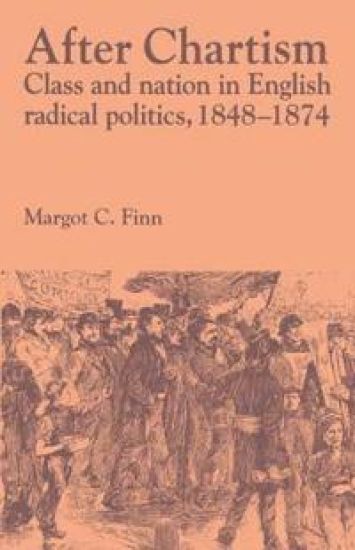
After Chartism

After Chartism

Margot Finn

Cambridge University Press
2004
pokkari
This book charts the course of working- and middle-class radical politics in England from the continental revolutions of 1848 to the fall of Gladstone’s Liberal government in 1874. The author traces the genealogy of English radicalism from its roots in Protestant Dissent and the seventeenth-century revolutions, but also shows how this shared radical tradition was problematized by middle-class radicals’ acceptance of classical liberal economics. She traces the lineaments of this divide by contrasting middle- and working-class responses to the continental revolutions of 1848–9, to the Polish and Italian nationalism of the 1860s, and to the Paris Commune in 1871. She argues that these years witnessed not the relentless liberalization of working-class radical protest in England, but rather a significant diminution of middle-class radicals’ commitment to liberal economics. This accommodation contributed to the emergence of the ‘New Liberalism’ of the 1880s, and helped to shape middle- and working-class responses to the early socialist movement.

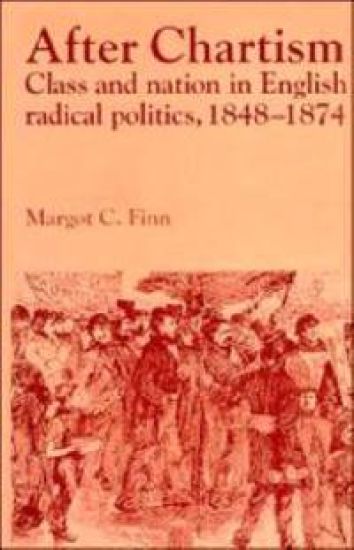
After Chartism

After Chartism

Margot Finn

Cambridge University Press
1993
sidottu
This book charts the course of working- and middle-class radical politics in England from the continental revolutions of 1848 to the fall of Gladstone's Liberal government in 1874. The author traces the genealogy of English radicalism from its roots in Protestant Dissent and the seventeenth-century revolutions, but also shows how this shared radical tradition was problematized by middle-class radicals' acceptance of classical liberal economics. She traces the lineaments of this divide by contrasting middle- and working-class responses to the continental revolutions of 1848–9, to the Polish and Italian nationalism of the 1860s, and to the Paris Commune in 1871. She argues that these years witnessed not the relentless liberalization of working-class radical protest in England, but rather a significant diminution of middle-class radicals' commitment to liberal economics. This accommodation contributed to the emergence of the 'New Liberalism' of the 1880s, and helped to shape middle- and working-class responses to the early socialist movement.