
Kirjojen hintavertailu – 12 859 818 kirjaa ja 27 kauppaa

Kirjailija

María Rosa Mosquera-Losada

Kirjat ja teokset yhdessä paikassa: 2 kirjaa, julkaisuja vuosilta 2024–2026, suosituimpiin kuuluu Instant Insights: Agroforestry Practices. Vertaile teosten hintoja ja tarkista saatavuus suomalaisista kirjakaupoista.

2 kirjaa

Kirjojen julkaisuvuodet: 2024–2026.

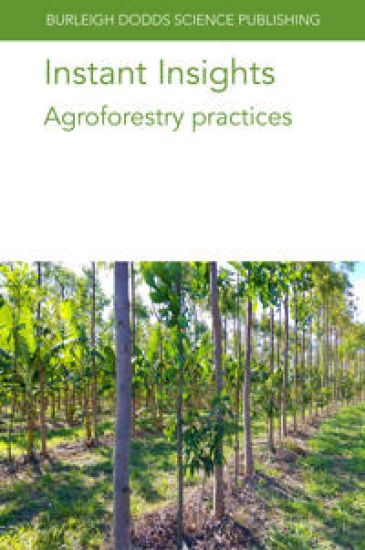
Instant Insights: Agroforestry Practices

Instant Insights: Agroforestry Practices

Various authors; Alfredo J. Escribano; J. Ryschawy; Lindsay Whistance; Lydie Dufour; Diomy S. Zamora; Samuel C. Allen; Kent G. Apostol; Shibu Jose; Gary Wyatt; M. Weih; P.-A. Hansson; J. A. Ohlsson; M. Sandgren; A. Schnürer; A.-C. Rönnberg-Wästljung; María Rosa Mosquera-Losada; J. J. Santiago-Freijanes; A. Rigueiro-Rodríguez; F. J. Rodríguez-Rigueiro; D. Arias Martínez; Anastasia Pantera; N. Ferreiro-Domínguez

Burleigh Dodds Science Publishing Limited
2024
nidottu
This book features five peer-reviewed reviews on the implementation of agroforestry practices. The first chapter reviews the use of integrated crop-livestock systems, with a focus on agroforestry systems. The chapter discusses the potential environmental and economic benefits of agroforestry systems, as well as their contribution to animal health and welfare. The second chapter considers the plantation and management of temperate agroforestry systems which combine timber trees and herbaceous crops. The chapter covers choice of tree species, techniques of tree planting, plantation maintenance and approaches to tree pruning and thinning. The third chapter provides an overview of the implementation of alley cropping in agroforestry systems. The chapter explores the economic and ecological benefits of alley cropping, as well as the challenges and major considerations of implementing these practices within North America. The fourth chapter addresses the challenges and key issues in the sustainable production and use of willow as feedstock for biofuel production in northern temperate regions, including the issues of feedstock quality for biofuel use. The final chapter explores the contribution of agroforestry to meet global strategies to increase biodiversity while sustainably increasing agricultural systems resource efficiency.
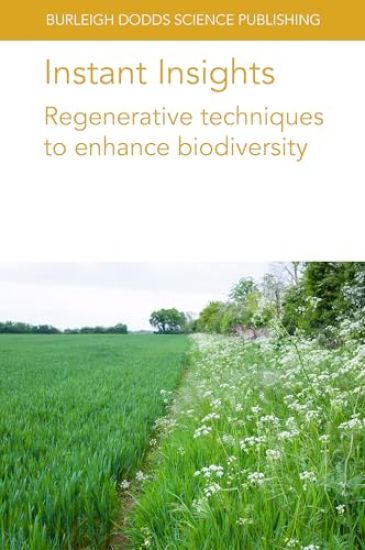
Instant Insights: Regenerative Techniques to Enhance Biodiversity

Instant Insights: Regenerative Techniques to Enhance Biodiversity

Various authors; Jane Morrison; Ian Montgomery; Neil Reid; Mario Santos; Berta Gonçalves; André Fonseca; Reinaldo Lucas Cajaiba; Henrique Trindade; Fátima Gonçalves; Cristina Carlos; Darinka Gonzalez; Mário Gonzalez Pereira; Lívia Madureira; Mariane Cristina Inocente; Fátima Piña-Rodrigues; João Santos; María Rosa Mosquera-Losada

Burleigh Dodds Science Publishing Limited
2026
pokkari
This book features four peer-reviewed reviews on the range of regenerative techniques used to enhance biodiversity. The first chapter reviews the benefits of field margins in enhancing biodiversity in agroecosystems by supporting plant diversity, increasing the abundance and diversity of beneficial insects, providing wildlife corridors and contributing to landscape heterogeneity. It also considers the design and management of field margins and their economic impacts. The second chapter explores the impact and management of hedgerows in promoting biodiversity in agricultural landscapes. It also discusses the range of ecological processes and biodiversity in hedgerows, from hedge structure and woody species to ground flora and nutrient cycling. The third chapter considers the development of a cell-based spatial modelling approach to better understand the interactions between planned biodiversity and associated biodiversity within alley cropping systems. The chapter also assesses the implications for different management strategies to optimise associated biodiversity. The final chapter outlines the principles, benefits, and practical management strategies of multispecies swards. The chapter also highlights their importance in creating sustainable and resilient agricultural systems that meet both agronomic and environmental goals.