Kirjojen hintavertailu – 12 903 725 kirjaa ja 27 kauppaa

Kirjailija

Maria Stephan

Kirjat ja teokset yhdessä paikassa: 3 kirjaa, julkaisuja vuosilta 2011–2015, suosituimpiin kuuluu Why Civil Resistance Works. Vertaile teosten hintoja ja tarkista saatavuus suomalaisista kirjakaupoista.

3 kirjaa

Kirjojen julkaisuvuodet: 2011–2015.

LANGE Current Diagnosis and Treatment Pediatric Emergency Medicine

LANGE Current Diagnosis and Treatment Pediatric Emergency Medicine

C. Keith Stone; Roger Humphries; Dorian Drigalla; Maria Stephan

McGraw-Hill Professional
2015
nidottu
Publisher's Note: Products purchased from Third Party sellers are not guaranteed by the publisher for quality, authenticity, or access to any online entitlements included with the product. Deliver faster diagnosis, more effective treatments, and improved outcomes with this concise guide to pediatric emergency medicineProvides immediate access to life-saving and routine information through consistent chapter outlinesBegins with a section on emergency procedures and child-safety issuesPresents information the way an emergency medicine provider thinks and acts: by symptomatic presentation, including cardiac arrest, respiratory distress, shock,fever, abdominal pain, seizures, traumaDetails evaluation and management of disorders routinely seen in Pediatric Emergency Medicine such as foreign bodies, respiratory infections, asthma, heart defects, dehydration, rashes, sickle-cell disease, sports-injuries and moreEnhanced by numerous tables, and more than 400 illustrations and photographs to clarify concepts and improve understandingLANGEValuable to all practitioners of emergency medicine, from prehospital care providers to nurses and physiciansDesigned for use in a busy, fastpaced emergency departmentFocuses on the practical aspects of emergency careCovers a wide spectrum of pediatric conditions
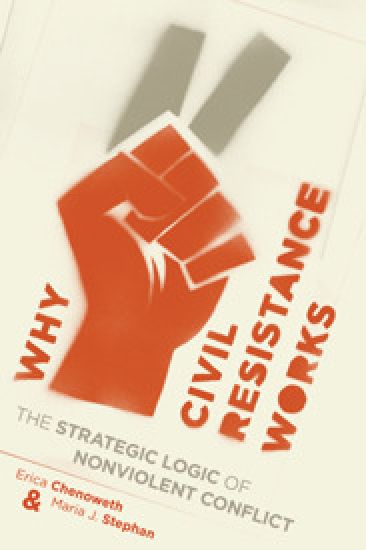
Why Civil Resistance Works

Why Civil Resistance Works

Erica Chenoweth; Maria Stephan

Columbia University Press
2012
pokkari

Halvin toimitettuna 32,40 €

For more than a century, from 1900 to 2006, campaigns of nonviolent resistance were more than twice as effective as their violent counterparts in achieving their stated goals. By attracting impressive support from citizens, whose activism takes the form of protests, boycotts, civil disobedience, and other forms of nonviolent noncooperation, these efforts help separate regimes from their main sources of power and produce remarkable results, even in Iran, Burma, the Philippines, and the Palestinian Territories. Combining statistical analysis with case studies of specific countries and territories, Erica Chenoweth and Maria J. Stephan detail the factors enabling such campaigns to succeed and, sometimes, causing them to fail. They find that nonviolent resistance presents fewer obstacles to moral and physical involvement and commitment, and that higher levels of participation contribute to enhanced resilience, greater opportunities for tactical innovation and civic disruption (and therefore less incentive for a regime to maintain its status quo), and shifts in loyalty among opponents' erstwhile supporters, including members of the military establishment. Chenoweth and Stephan conclude that successful nonviolent resistance ushers in more durable and internally peaceful democracies, which are less likely to regress into civil war. Presenting a rich, evidentiary argument, they originally and systematically compare violent and nonviolent outcomes in different historical periods and geographical contexts, debunking the myth that violence occurs because of structural and environmental factors and that it is necessary to achieve certain political goals. Instead, the authors discover, violent insurgency is rarely justifiable on strategic grounds.
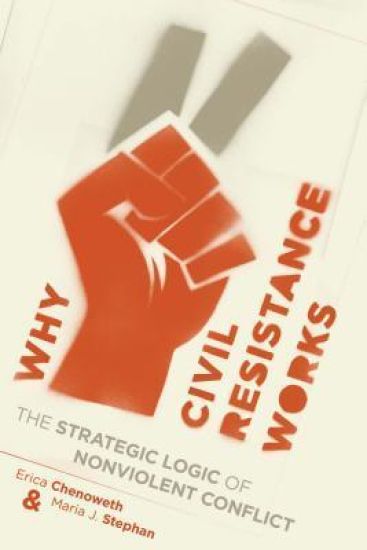
Why Civil Resistance Works

Why Civil Resistance Works

Erica Chenoweth; Maria Stephan

Columbia University Press
2011
sidottu
For more than a century, from 1900 to 2006, campaigns of nonviolent resistance were more than twice as effective as their violent counterparts in achieving their stated goals. By attracting impressive support from citizens, whose activism takes the form of protests, boycotts, civil disobedience, and other forms of nonviolent noncooperation, these efforts help separate regimes from their main sources of power and produce remarkable results, even in Iran, Burma, the Philippines, and the Palestinian Territories. Combining statistical analysis with case studies of specific countries and territories, Erica Chenoweth and Maria J. Stephan detail the factors enabling such campaigns to succeed and, sometimes, causing them to fail. They find that nonviolent resistance presents fewer obstacles to moral and physical involvement and commitment, and that higher levels of participation contribute to enhanced resilience, greater opportunities for tactical innovation and civic disruption (and therefore less incentive for a regime to maintain its status quo), and shifts in loyalty among opponents' erstwhile supporters, including members of the military establishment. Chenoweth and Stephan conclude that successful nonviolent resistance ushers in more durable and internally peaceful democracies, which are less likely to regress into civil war. Presenting a rich, evidentiary argument, they originally and systematically compare violent and nonviolent outcomes in different historical periods and geographical contexts, debunking the myth that violence occurs because of structural and environmental factors and that it is necessary to achieve certain political goals. Instead, the authors discover, violent insurgency is rarely justifiable on strategic grounds.