Kirjojen hintavertailu – 12 859 829 kirjaa ja 27 kauppaa

Kirjailija

María Villares-Varela

Kirjat ja teokset yhdessä paikassa: 3 kirjaa, julkaisuja vuosilta 2012–2021, suosituimpiin kuuluu Religion, Migration and Business. Vertaile teosten hintoja ja tarkista saatavuus suomalaisista kirjakaupoista.

Nimi esiintyy myös muodoissa: Maria Villares Varela

3 kirjaa

Kirjojen julkaisuvuodet: 2012–2021.

Religion, Migration and Business

Religion, Migration and Business

María Villares-Varela; Olivia Sheringham

Springer Nature Switzerland AG
2021
nidottu
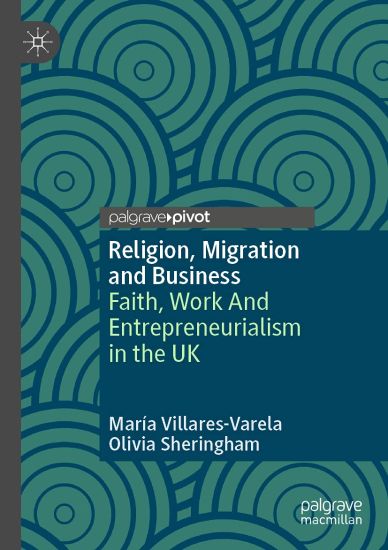
This book critically interrogates the role of religious faith in the experiences and practices of migrant entrepreneurs against the backdrop of neoliberal Britain. Focussing on Pentecostalism, a popular Christian denomination amongst migrant groups in the UK, the authors draw on primary qualitative data to examine the ways in which Pentecostal beliefs and values influence the aspirations and practices of migrant entrepreneurs. The book also explores the role of Pentecostal churches in supporting entrepreneurial activities among migrant communities, arguing that these institutions simultaneously comply and contest the formation of neoliberal subjectivities: providing cultural legitimacy to the entrepreneurial subject, whilst also contesting the community erosion of neoliberalism, (particularly in an austerity context) and fostering a strong a sense of belonging among congregants. The book offers an interdisciplinary perspective spanning sociology, geography and entrepreneurship studies to explain how values and faith networks shape everyday life, work and entrepreneurial practices.
Religion, Migration and Business

Religion, Migration and Business

María Villares-Varela; Olivia Sheringham

Springer Nature Switzerland AG
2020
sidottu
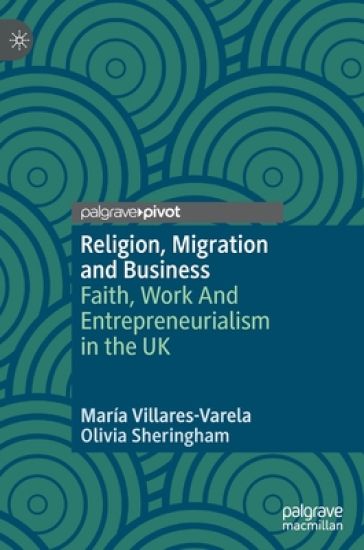
This book critically interrogates the role of religious faith in the experiences and practices of migrant entrepreneurs against the backdrop of neoliberal Britain. Focussing on Pentecostalism, a popular Christian denomination amongst migrant groups in the UK, the authors draw on primary qualitative data to examine the ways in which Pentecostal beliefs and values influence the aspirations and practices of migrant entrepreneurs. The book also explores the role of Pentecostal churches in supporting entrepreneurial activities among migrant communities, arguing that these institutions simultaneously comply and contest the formation of neoliberal subjectivities: providing cultural legitimacy to the entrepreneurial subject, whilst also contesting the community erosion of neoliberalism, (particularly in an austerity context) and fostering a strong a sense of belonging among congregants. The book offers an interdisciplinary perspective spanning sociology, geography and entrepreneurship studies to explain how values and faith networks shape everyday life, work and entrepreneurial practices.