Kirjojen hintavertailu – 12 859 828 kirjaa ja 27 kauppaa
Kirjailija
Marianne Coleman
Kirjat ja teokset yhdessä paikassa: 13 kirjaa, julkaisuja vuosilta 1999–2017, suosituimpiin kuuluu Shaping Social Justice Leadership. Vertaile teosten hintoja ja tarkista saatavuus suomalaisista kirjakaupoista.
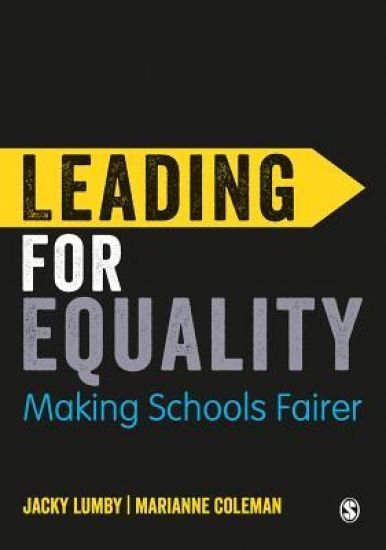
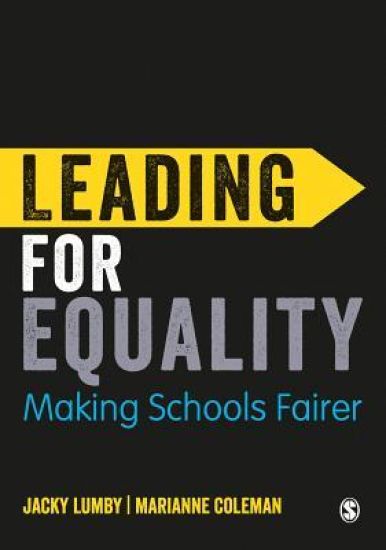
Disentangling the concept of equality in schools can be a tricky task for those in senior, middle or classroom leadership. This book will unpack ideas of equality, equity, diversity and social justice, providing practitioners and those training to teach with an understanding of equality in order to address educational values and practice. Drawing on a wide range of case studies from schools in England, Wales and Scotland, the authors illustrate the importance of leading for equality with a clear and proactive vision for change. The authors explore these key areas: Socio-economic classGenderSexualityEthnicityReligionMigrant childrenSpecial learning needs and disabilities This book will serve as a handy guide for postgraduate and undergraduate students on Education Leadership and Inclusive Education courses.
Disentangling the concept of equality in schools can be a tricky task for those in senior, middle or classroom leadership. This book will unpack ideas of equality, equity, diversity and social justice, providing practitioners and those training to teach with an understanding of equality in order to address educational values and practice. Drawing on a wide range of case studies from schools in England, Wales and Scotland, the authors illustrate the importance of leading for equality with a clear and proactive vision for change. The authors explore these key areas: Socio-economic classGenderSexualityEthnicityReligionMigrant childrenSpecial learning needs and disabilities This book will serve as a handy guide for postgraduate and undergraduate students on Education Leadership and Inclusive Education courses.
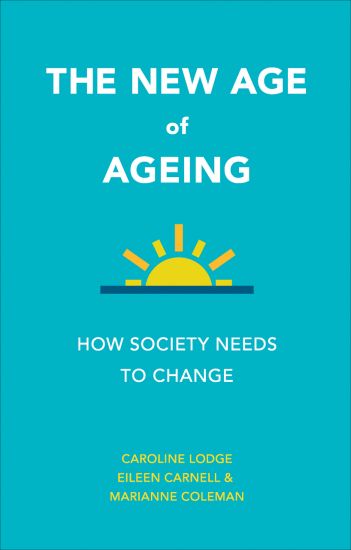
As we age, society’s negative assumptions mean we become a burden, a problem and the excluded ‘other’. With a convincing call to embrace all that is positive about ageing comes this timely book from the authors of Retiring with Attitude. Debunking the myth of the ageing time bomb it presents a new, yet realistic, way for society to engage with older people from a myriad of perspectives, including consumerism, media, work, housing, community and 'beauty'. Brought alive by the voices of people aged 50 to 90, it proves ageing is not passive decline but a process of learning, joy, political engagement, challenges and achievement. Increased longevity has consequences for us all. By challenging our assumptions and stereotypes, this book demonstrates that we are capable of living better together longer in this new, older world.
The authentic voices of sixty successful women, identify the challenges that they have faced in their careers and the ways in which they have overcome them. These include a male work culture and reconciling the demands of work and family. The 'glass ceiling' may have moved up a little, but it is still there.
The authentic voices of sixty successful women, identify the challenges that they have faced in their careers and the ways in which they have overcome them. These include a male work culture and reconciling the demands of work and family. The 'glass ceiling' may have moved up a little, but it is still there.
Shaping Social Justice Leadership: Insights of Women Educators Worldwide contains evocative portraits of twenty-three women educators and leaders from around the world whose actions are shaping social justice leadership. Woven from words of their own narratives, the women’s voices lift off the page into readers’ hearts and minds to inspire and inform. Representing fourteen countries, these members of Women Leading Education Across the Continents (WLE) portray the complexity of twenty-first-century leadership. The variety of continents, countries, personal backgrounds, professional positions, and ages of those who contributed narratives give the book credibility. The portraits are framed with relevant scholarship and grouped thematically. Each carefully crafted portrait highlights an aspect of a chapter theme, followed by practical insights. The chapters develop a range of cultural comparisons, illustrate imperatives for social justice leadership, and examine values, skills, resilience, leadership pathways and actions. The authors invite all educators—both women and men—to shape social justice leadership through collective efforts around the globe that create new possibilities for a more just world. Learn more about Shaping Social Justice Leadership here.
The authentic voices of sixty successful women, identify the challenges that they have faced in their careers and the ways in which they have overcome them. These include a male work culture and reconciling the demands of work and family. The 'glass ceiling' may have moved up a little, but it is still there.
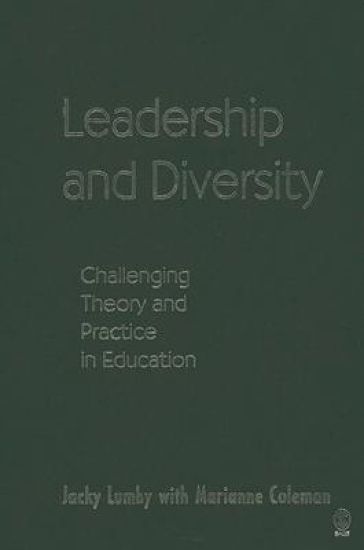
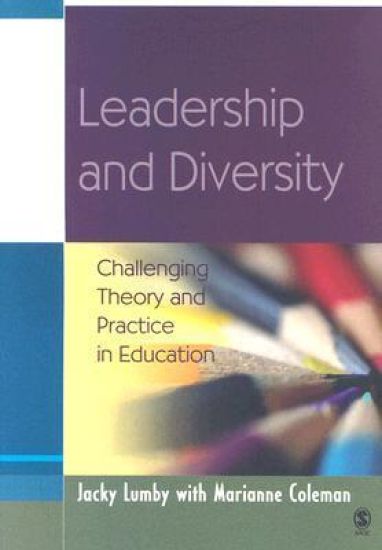
This accessible book demonstrates the insights and skills needed by leaders in education in an increasingly diverse society. It integrates theory with practice by presenting a real life scenario in each chapter. Drawing on literature and examples from both the UK and international sources, it takes a stance on equity, and offers a fresh look at what it means to be a leader in education today. Key features:Theory and practice are brought together in a clear and accessible wayIt promotes an ethical stance based on values of social justice and equityStrong focus on cultural diversityThe authors draw on their own extensive research to provide authentic and informed viewsThe authors encourage reflective practice, particularly where leaders are faced with difficult situations where there may not be a 'right' answer. Each case study brings alive the theory and invites the reader to consider how they would apply it to their own practice. The book will be of interest to both practitioners and students of educational leadership and management.
'What makes this book stand out in the crowd is the engaging approach the authors have taken to present their argument and the novel treatment they offer of diversity and diversity management…a must-read for anyone in a leadership position or interested in investigating education leadership and diversity' - Gender and Education 'The authors should be congratulated for tackling the crucial topic of diversity within educational leadership….the book makes a major contribution to the small but emergent body of studies in this area' - Journal of Educational Administration & History 'This book sets out a central aim of stimulating reflection on diversity and implications for leaders in education. It also aims to support the development of practice. It is a useful book for those involved in educational management and for policy makers at all levels' - ESCalate 'The authors challenge the reader to reconsider leadership theory in light of notions of social justice and diversity, and to put into place newly articulated frameworks for action... The text is richly supported by strong empirical research and a sometimes-intricate philosophical approach in making its case for justice and fairness in education and beyond' - Choice Magazine What do we mean by diversity? Why is it an important issue for leaders of schools, colleges and universities? As society becomes increasingly diverse, there is significant international awareness in education about how this impacts on leaders and leadership. For decades the emphasis has been placed on increasing the number of leaders with specific attributes, such as women or those from ethnic minorities, to encourage a true representation of society. This far-reaching book takes a wider view, challenging the reader to recognise the importance of diversity issues and to embed diversity as central within leadership theory and practice. Drawing on their extensive research the authors establish a clear understanding of what diversity means and use this to develop a distinct approach to conceiving leadership, preparing leaders and acting as leaders. They explain how diversity should be a holistic issue which touches every aspect of leadership and is vital to ensuring effective and appropriate leadership for education in pluralist societies. The authors explore the history of approaches to addressing inequities in access to leadership positions and the experience of leadership, from equal opportunities, to diversity and inclusion, to capabilities approaches. The book also proposes fundamental and concrete changes that leaders can undertake both in their own and their organisation's practice, to reflect a real commitment to social justice in a diverse society.
'What makes this book stand out in the crowd is the engaging approach the authors have taken to present their argument and the novel treatment they offer of diversity and diversity management…a must-read for anyone in a leadership position or interested in investigating education leadership and diversity' - Gender and Education 'The authors should be congratulated for tackling the crucial topic of diversity within educational leadership….the book makes a major contribution to the small but emergent body of studies in this area' - Journal of Educational Administration & History 'This book sets out a central aim of stimulating reflection on diversity and implications for leaders in education. It also aims to support the development of practice. It is a useful book for those involved in educational management and for policy makers at all levels' - ESCalate 'The authors challenge the reader to reconsider leadership theory in light of notions of social justice and diversity, and to put into place newly articulated frameworks for action... The text is richly supported by strong empirical research and a sometimes-intricate philosophical approach in making its case for justice and fairness in education and beyond' - Choice Magazine What do we mean by diversity? Why is it an important issue for leaders of schools, colleges and universities? As society becomes increasingly diverse, there is significant international awareness in education about how this impacts on leaders and leadership. For decades the emphasis has been placed on increasing the number of leaders with specific attributes, such as women or those from ethnic minorities, to encourage a true representation of society. This far-reaching book takes a wider view, challenging the reader to recognise the importance of diversity issues and to embed diversity as central within leadership theory and practice. Drawing on their extensive research the authors establish a clear understanding of what diversity means and use this to develop a distinct approach to conceiving leadership, preparing leaders and acting as leaders. They explain how diversity should be a holistic issue which touches every aspect of leadership and is vital to ensuring effective and appropriate leadership for education in pluralist societies. The authors explore the history of approaches to addressing inequities in access to leadership positions and the experience of leadership, from equal opportunities, to diversity and inclusion, to capabilities approaches. The book also proposes fundamental and concrete changes that leaders can undertake both in their own and their organisation's practice, to reflect a real commitment to social justice in a diverse society.
`This is one of very few texts to give recognition to the difficulties in large institutions and to give practical advice about the degree to which collegiality can be built into strategic planning. The authors provide an overview of all aspects of leadership within education, giving ample references within each section for more detailed study' - Mentoring and Tutoring `The book would constitute a good starting-point for anyone wishing to understand contemporary developments in educational management' - Educational Research Leadership and strategic management are both issues of central importance in raising achievement in schools and colleges and thus are at the heart of the educational debate today. This book is concerned with such major issues as: the nature of strategic management in education; the importance of vision, and mission; styles of leadership; models of educational management; and the purposes of strategic management, which here are equated with the effectiveness and improvement of the institution. It will be invaluable for students of educational management, such as those following masters degrees. It is also directly relevant to teachers and lecturers and schools of all phases and in further education colleges, particularly those who have, or aspire to, management responsibilities. The textbook is designed to be used either to accompany a taught course, or for self-study via distance-learning, thus practical and reflective activities are included.
`This is one of very few texts to give recognition to the difficulties in large institutions and to give practical advice about the degree to which collegiality can be built into strategic planning. The authors provide an overview of all aspects of leadership within education, giving ample references within each section for more detailed study' - Mentoring and Tutoring `The book would constitute a good starting-point for anyone wishing to understand contemporary developments in educational management' - Educational Research Leadership and strategic management are both issues of central importance in raising achievement in schools and colleges and thus are at the heart of the educational debate today. This book is concerned with such major issues as: the nature of strategic management in education; the importance of vision, and mission; styles of leadership; models of educational management; and the purposes of strategic management, which here are equated with the effectiveness and improvement of the institution. It will be invaluable for students of educational management, such as those following masters degrees. It is also directly relevant to teachers and lecturers and schools of all phases and in further education colleges, particularly those who have, or aspire to, management responsibilities. The textbook is designed to be used either to accompany a taught course, or for self-study via distance-learning, thus practical and reflective activities are included.
`Practitioner Research in Education should become a millennium "must" for principals and school leaders whose schools are under OfSTED spotlight and for all those practitioners who earnestly aim to undertake higher managment studies whilst "in situ" in their teaching posts.... It is a publication well worth reading by all those who continue to be, justifiably, enthused by school development issues' - Angela Monkman Brushett, OfSTED Inspector `This is a very simple but notable piece of work... They have done a service to education in providing evidence (and there is remarkably little elsewhere) that continuous professional development does pay off in terms of a better education for pupils in schools' - School Leadership and Management Much debate currently concerns the value of education research : how is it perceived by practitioners and students ? How useful and relevant is it ? Who best carries it out ? Can it be free from political influence ? While practitioner research is widely advocated, little is known about its effect on individuals, teams and the institution. In Practitioner Research in Education, the authors explore the effects of teachers' and lecturers' research and its impact on organizational improvement. Whether affecting whole school cultures through teachers' group work, or influencing practice through an individual's research, the accounts in this book show how research can make a difference. They show how improvements in management and leadership arising from practitioner research can contribute to advances in teaching and learning. The book includes material on how to conduct research, the types of research which practitioners can carry out in a school or college, and the implications of research for organizational development. Readers will be able to draw valuable lessons for personal, professional, team or school improvement. Practitioner Research In Education will be useful to students and practitioners of educational management, to those doing research in educational settings, and to school managers who are committed to school improvement.