Kirjojen hintavertailu – 12 903 725 kirjaa ja 27 kauppaa
Kirjailija
Marianne de Visser
Kirjat ja teokset yhdessä paikassa: 3 kirjaa, julkaisuja vuosilta 2024–2025, suosituimpiin kuuluu Financial, Staffing and Societal Sustainability of Dutch Health Care. Vertaile teosten hintoja ja tarkista saatavuus suomalaisista kirjakaupoista.
There are over 800 neuromuscular disorders and this can leave clinicians feeling lost as they try to diagnose and manage patients. On the basis of 66 adult and paediatric neuromuscular case vignettes, readers will be walked through using case histories and clinical manifestations as a starting point for diagnosis. For each case, diagnostic tools, disease pathogenesis, prognosis and treatment options are discussed. Symptoms, signs and syndromes are cross-linked to help the reader navigate the array of disorders. Accompanying tables explain differential diagnoses and 30 videos demonstrate clinical features. This second edition has been thoroughly updated as the neuromuscular subspecialty has developed from clinically and pathologically descriptive to making use of new diagnostic technologies and therapies. Neurologists at all levels, paediatricians, internists, geneticists, rehabilitation physicians, physiotherapists and researchers in the field will find this an invaluable guide, as they seek to familiarise themselves with this complex range of disorders.
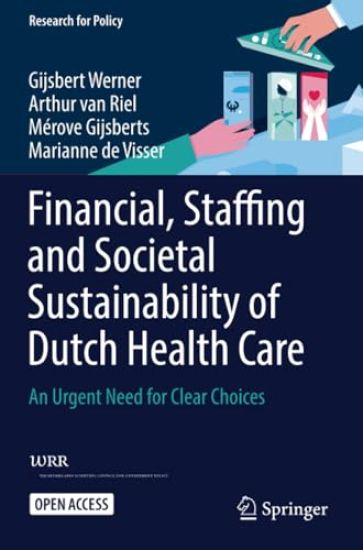
This open access book analyzes how sound choices can be made in Dutch health care policies, and shows why they are necessary, urgent, and even inevitable. Analyzing the current functioning and funding of the Dutch health care system, this book shows how three dimensions of sustainability – financial, staffing and societal – are under increasing pressure. This study explores priority setting in health care and calls for well-informed, clear and sometimes uncompromising choices in the allocation of means and personnel. This is necessary in order to maintain accessible and high-quality care for all, and to improve public health. Making balanced choices in health care is of particular importance to vulnerable groups whose voices may not be heard as readily or effectively in the public debate, and whose interests are more easily crowded out. Prioritizing in the domain of public health care is first and foremost a political responsibility, but also one for health care providers across the system and ultimately also for citizens. While this work focuses on the Netherlands, similar processes are at play across the developed economies, making it broadly relevant to policy makers, health care professionals and health care (policy) researchers grappling with the questions surrounding the sustainability of public health care.