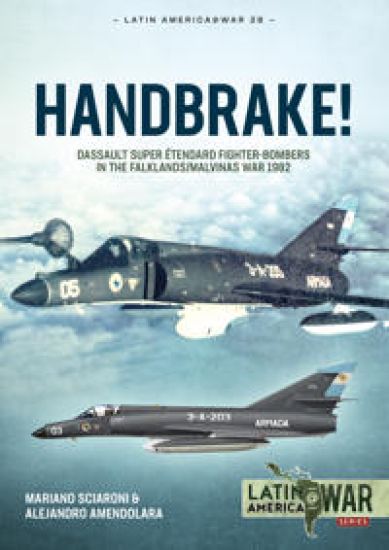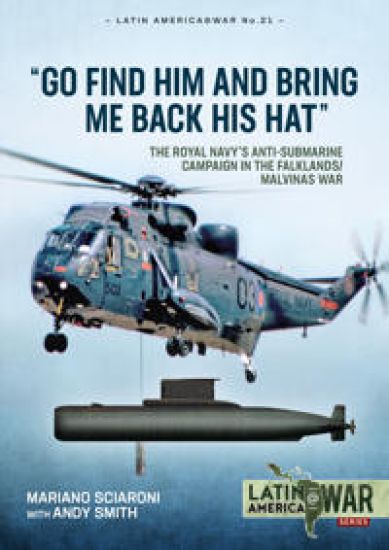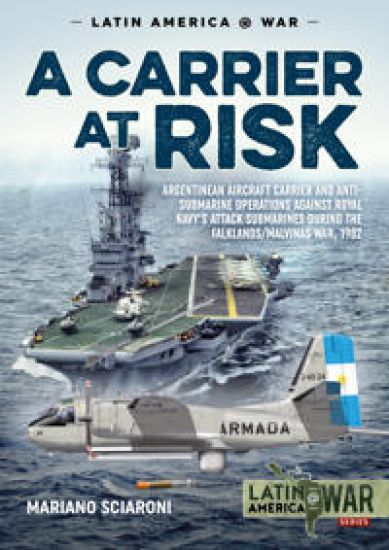
It was the South Atlantic in 1982, and the world’s last carrier war was about to begin. Yet war is not only about bombs and missiles – it is about the minds that wield them. This is the story of the Falklands War told not through headlines of ships sunk and pilots lost, but through the doctrines, improvisations, and split-second decisions that defined modern naval combat. Argentina’s Navy entered the conflict with aging Skyhawks, a handful of new Super Étendards, and a weapon that unsettled even the Royal Navy: the Exocet missile. But it had trained for a different enemy – Chile. Britain's sailors, meanwhile, had drilled for battling Soviet submarines in the icy North Atlantic, and were not best placed to tackle Argentine aviators charging low and fast over the waves of the South Atlantic. Neither side was ready. Both would learn under fire. This book places the reader inside that experience: in the cockpit of a Skyhawk, on the deck of the carrier ARA _25 de Mayo_, and in war rooms where doctrine was written in haste. It traces how pilots learned to evade radar, how engineers adapted bombs for a different kind of war, and how commanders turned to probability and cold statistics to predict survival. This is no abstract theory. It is the reality of flying into missile envelopes with unreliable equipment, trusting fuel tanks and bomb fuzes that might fail. It is a deadly contest of ambush and countermeasure, where a radar signal or a moment’s hesitation meant life or death. _Wings Against Warships in the South Atlantic_ blends precision with intensity. It is a story of courage and adaptation, where outdated aircraft and untested missiles confronted one of the world’s most powerful navies. The Falklands War was brief. Its lessons endure – revealing how naval aviation was reshaped under fire, at sea, and at the edge of survival.