
Kirjojen hintavertailu – 12 903 725 kirjaa ja 27 kauppaa

Kirjailija

Marie Breen Smyth

Kirjat ja teokset yhdessä paikassa: 6 kirjaa, julkaisuja vuosilta 2007–2020, suosituimpiin kuuluu Terrorism. Vertaile teosten hintoja ja tarkista saatavuus suomalaisista kirjakaupoista.

Nimi esiintyy myös muodoissa: Marie Breen-Smyth

6 kirjaa

Kirjojen julkaisuvuodet: 2007–2020.

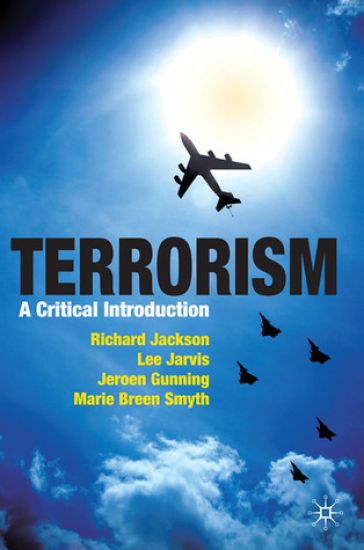
Terrorism

Terrorism

Richard Jackson; Lee Jarvis; Jeroen Gunning; Marie Breen-Smyth

Red Globe Press
2011
sidottu
This innovative text provides a much-needed critical introduction to terrorism. Cutting-edge research on contemporary issues is combined with new insights into long-debated issues such as the definition of terrorism, the nature of the terrorist threat and counter-terrorism strategies. Showing that the methods we adopt as well as the material we study are vital for a clear understanding of the subject, this text goes beyond traditional IR approaches to rethink popular beliefs and assumptions about terrorism. Taking a genuinely global and integrated approach, this book is an ideal entry into the study of terrorism. In the years since 9/11, terrorism has been transformed into an issue of global significance. Terrorism and the war on terror has affected virtually every aspect of modern life, and a precise understanding of terrorism is now more important - and contentious - than ever. This text examines the origins, perceptions of, and responses to, terrorism and counter-terrorism in the contemporary world. It takes into account recent developments on the world stage as well as within - and in response to - critical terrorism studies. This text is the ultimate companion for students studying terrorism as part of an undergraduate or postgraduate degree. It guides students step-by-step to have a deeper understanding of terrorism and a more nuanced approach to their studies.
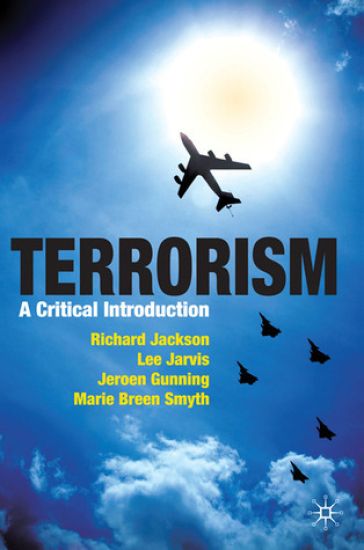
Terrorism

Terrorism

Richard Jackson; Lee Jarvis; Jeroen Gunning; Marie Breen-Smyth

Red Globe Press
2011
nidottu
This innovative text provides a much-needed critical introduction to terrorism. Cutting-edge research on contemporary issues is combined with new insights into long-debated issues such as the definition of terrorism, the nature of the terrorist threat and counter-terrorism strategies. Showing that the methods we adopt as well as the material we study are vital for a clear understanding of the subject, this text goes beyond traditional IR approaches to rethink popular beliefs and assumptions about terrorism. Taking a genuinely global and integrated approach, this book is an ideal entry into the study of terrorism. In the years since 9/11, terrorism has been transformed into an issue of global significance. Terrorism and the war on terror has affected virtually every aspect of modern life, and a precise understanding of terrorism is now more important - and contentious - than ever. This text examines the origins, perceptions of, and responses to, terrorism and counter-terrorism in the contemporary world. It takes into account recent developments on the world stage as well as within - and in response to - critical terrorism studies. This text is the ultimate companion for students studying terrorism as part of an undergraduate or postgraduate degree. It guides students step-by-step to have a deeper understanding of terrorism and a more nuanced approach to their studies.
Truth Recovery and Justice after Conflict
This book considers the problem of managing the unfinished business of a violent past in societies moving out of political violence. Truth Commissions are increasingly used to unearth the acts committed by the various protagonists and to acknowledge the suffering of their victims. This book uniquely focuses on the conditions which predispose – or prevent – embarkation on a truth recovery process, and the rationale for that process. There is, it argues, no magic moment of ‘readiness’ for truth recovery: the conditions are constructed by political ‘willingness’ rather than spontaneously occurring. Much of the literature on Northern Ireland’s past provides historical analyses of the conflict – Republican, state or Loyalist violence – and is often (implicitly or explicitly) associated with one or other of the partisans in the conflict. This book focuses on the dynamic between the protagonists and how each of their positions, in this case on truth recovery, combine to produce the overall political status quo in Northern Ireland. As the society struggles to move forward, Marie Breen Smyth considers whether the entrenched positions of some, and the failure understand the views of others, can be shifted by a societal revisiting and re-evaluation of the past. Truth Recovery and Justice after Conflict arises from a decade’s writing and research with both victims and those close to the armed groups in Northern Ireland. It is also informed by the author’s work in South Africa, West Africa, Israel and the Occupied Palestinian Territories. It will be of great interest to students and researchers in politics, international relations, peace studies and law.
Truth Recovery and Justice after Conflict
This book considers the problem of managing the unfinished business of a violent past in societies moving out of political violence. Truth Commissions are increasingly used to unearth the acts committed by the various protagonists and to acknowledge the suffering of their victims. This book uniquely focuses on the conditions which predispose – or prevent – embarkation on a truth recovery process, and the rationale for that process. There is, it argues, no magic moment of ‘readiness’ for truth recovery: the conditions are constructed by political ‘willingness’ rather than spontaneously occurring. Much of the literature on Northern Ireland’s past provides historical analyses of the conflict – Republican, state or Loyalist violence – and is often (implicitly or explicitly) associated with one or other of the partisans in the conflict. This book focuses on the dynamic between the protagonists and how each of their positions, in this case on truth recovery, combine to produce the overall political status quo in Northern Ireland. As the society struggles to move forward, Marie Breen Smyth considers whether the entrenched positions of some, and the failure understand the views of others, can be shifted by a societal revisiting and re-evaluation of the past. Truth Recovery and Justice after Conflict arises from a decade’s writing and research with both victims and those close to the armed groups in Northern Ireland. It is also informed by the author’s work in South Africa, West Africa, Israel and the Occupied Palestinian Territories. It will be of great interest to students and researchers in politics, international relations, peace studies and law.