
Kirjojen hintavertailu – 12 903 725 kirjaa ja 27 kauppaa

Kirjailija

Marie Vandenbeusch

Kirjat ja teokset yhdessä paikassa: 3 kirjaa, julkaisuja vuosilta 2016–2019, suosituimpiin kuuluu Sur les pas de l’âne dans la religion égyptienne. Vertaile teosten hintoja ja tarkista saatavuus suomalaisista kirjakaupoista.

3 kirjaa

Kirjojen julkaisuvuodet: 2016–2019.

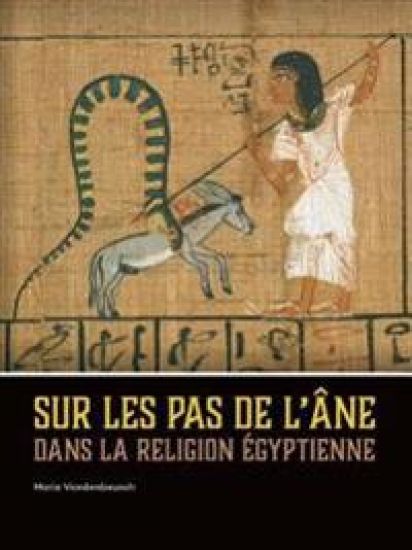
Sur les pas de l’âne dans la religion égyptienne
L’âne, animal essentiel au commerce et à l’agriculture de l’Égypte ancienne, apparaît dans des sources de tout ordre, témoignant de sa prégnance dans l’univers égyptien. Une grande partie des attestations relatives à cet animal provient de documents économiques. Une autre réalité apparaît toutefois dans la documentation religieuse, où l’âne est le plus souvent interprété comme un représentant de Seth, dieu maléfique par excellence, maître des déserts et des pays étrangers, ennemi et meurtrier de son frère Osiris. À la fois bienveillant et maléfique, l’âne est une entité ambivalente, à qui sont parfois octroyés des pouvoirs redoutables. L’animal, archétype du mal, était ainsi généralement exécré et virtuellement tué dans le contexte sacré des temples, tandis qu’il se distingue parfois dans la littérature funéraire comme un défenseur du dieu solaire. Parallèlement, il est tout à la fois craint et révéré dans de nombreux textes magiques où il apparaît comme une entité puissante et protectrice. Cette étude se fonde sur des témoignages figuratifs, textuels et archéologiques de l’époque prédynastique à la période romaine. Elle réunit pour la première fois la documentation rituelle, funéraire, magique et médicale existante et en fait la synthèse, afin d’appréhender le regard porté sur l’âne dans la religion égyptienne ancienne. English abstractDonkeys were essential in ancient Egyptian trade and agriculture, but their value was nuanced by their perception in religion. The animal appears in funerary, magical or ritual sources, where it often reflects an ambivalent nature, while its well-known association to the evil god Seth is constantly reminded in the modern literature. Either benevolent or evil, donkeys are ambiguous entities that can be recognised as dreadful beings possessing powers praised for their protective efficiency. Although they can be associated to Seth, they also followed their own path. In magical texts, the animal was feared and revered at the same time, becoming a powerful entity holding spears and evoked as a protector, while in the context of the temple it will be annihilated as the archetype of evil. By exploring iconographical, textual and archaeological sources spanning from Predynastic to Roman times, this monograph explores the role of donkeys in ancient Egypt from a religious perspective.
Sur les pas de l’âne dans la religion égyptienne
L’âne, animal essentiel au commerce et à l’agriculture de l’Égypte ancienne, apparaît dans des sources de tout ordre, témoignant de sa prégnance dans l’univers égyptien. Une grande partie des attestations relatives à cet animal provient de documents économiques. Une autre réalité apparaît toutefois dans la documentation religieuse, où l’âne est le plus souvent interprété comme un représentant de Seth, dieu maléfique par excellence, maître des déserts et des pays étrangers, ennemi et meurtrier de son frère Osiris. À la fois bienveillant et maléfique, l’âne est une entité ambivalente, à qui sont parfois octroyés des pouvoirs redoutables. L’animal, archétype du mal, était ainsi généralement exécré et virtuellement tué dans le contexte sacré des temples, tandis qu’il se distingue parfois dans la littérature funéraire comme un défenseur du dieu solaire. Parallèlement, il est tout à la fois craint et révéré dans de nombreux textes magiques où il apparaît comme une entité puissante et protectrice. Cette étude se fonde sur des témoignages figuratifs, textuels et archéologiques de l’époque prédynastique à la période romaine. Elle réunit pour la première fois la documentation rituelle, funéraire, magique et médicale existante et en fait la synthèse, afin d’appréhender le regard porté sur l’âne dans la religion égyptienne ancienne. English abstractDonkeys were essential in ancient Egyptian trade and agriculture, but their value was nuanced by their perception in religion. The animal appears in funerary, magical or ritual sources, where it often reflects an ambivalent nature, while its well-known association to the evil god Seth is constantly reminded in the modern literature. Either benevolent or evil, donkeys are ambiguous entities that can be recognised as dreadful beings possessing powers praised for their protective efficiency. Although they can be associated to Seth, they also followed their own path. In magical texts, the animal was feared and revered at the same time, becoming a powerful entity holding spears and evoked as a protector, while in the context of the temple it will be annihilated as the archetype of evil. By exploring iconographical, textual and archaeological sources spanning from Predynastic to Roman times, this monograph explores the role of donkeys in ancient Egypt from a religious perspective.
Pharaoh

Pharaoh

Aude Semet; Marie Vandenbeusch; Margaret Maitland

Yale University Press
2016
sidottu
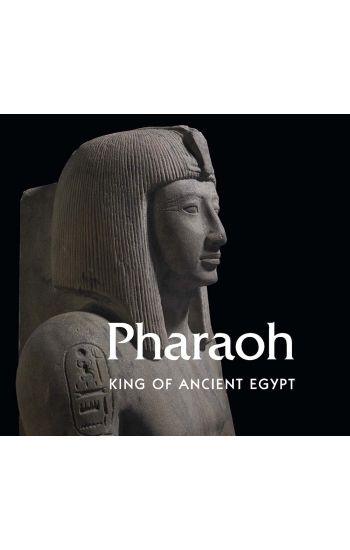
A fresh look at the British Museum’s celebrated and extensive ancient Egyptian collection from across three thousand yearsPharaoh: King of Ancient Egypt introduces readers to three thousand years of Egypt’s ancient history by unveiling its famous rulers—the pharaohs—using some of the finest objects from the vast holdings of the British Museum, along with masterworks from the collection fo the Cleveland Museum of Art.. In an introductory essay, Margaret Maitland looks at Egyptian kingship in terms of both ideology and practicality. Then Aude Semat considers the Egyptian image of kingship, its roles and its uses. In ten additional sections, Marie Vandenbeusch delves into themes related to the land of ancient Egypt, conceptions of kingship, the exercise of power, royal daily life, war and diplomacy, and death and afterlife. Detailed entries by Vandenbeusch and Semat cover key works relating to the pharaohs. These objects, beautifully illustrated in 180 photographs, include monumental sculpture, architectural pieces, funerary objects, exquisite jewelry, and papyri. The rulers of ancient Egypt were not always male, or even always Egyptian. At times, Egypt was divided by civil war, conquered by foreign powers, or ruled by competing kings. Many of the objects surviving from ancient Egypt represent the image a pharaoh wanted to project, but this publication also looks past the myth to explore the realities and immense challenges of ruling one of the greatest civilizations the world has seen. Distributed for the Cleveland Museum of ArtExhibition Schedule:The Cleveland Museum of Art (03/13/16–06/12/16)