Kirjojen hintavertailu – 12 859 818 kirjaa ja 27 kauppaa

Kirjailija

Marika Räsänen

Kirjat ja teokset yhdessä paikassa: 6 kirjaa, julkaisuja vuosilta 2017–2026, suosituimpiin kuuluu Rome and the Great Western Schism, 1378-1417. Vertaile teosten hintoja ja tarkista saatavuus suomalaisista kirjakaupoista.

6 kirjaa

Kirjojen julkaisuvuodet: 2017–2026.

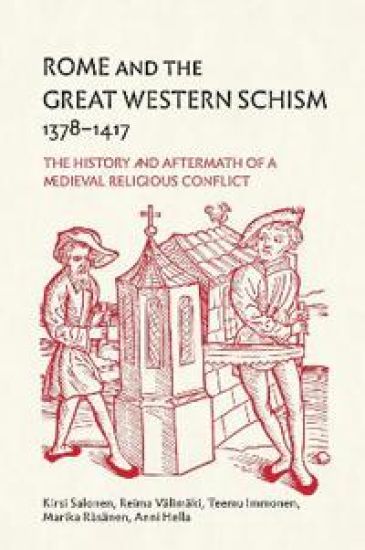
Rome and the Great Western Schism, 1378-1417

Rome and the Great Western Schism, 1378-1417

Kirsi Salonen; Reima Välimäki; Teemu Immonen; Marika Räsänen; Anni Hella

York Medieval Press
2026
sidottu
The first comprehensive study of the Roman papacy during the Great Western Schism. The Great Western Schism (1378-1417) stands as one of the most profound ruptures in the history of the medieval Catholic Church, a crisis that fractured Christendom. This book offers the first comprehensive study of the Roman papacy during this era, a perspective often neglected in existing scholarship. Bringing together political, administrative and religious history, it serves both as an introduction to the Schism and as a detailed study of papal governance in Rome. It explores how the Roman curia, monastic houses and ecclesiastical institutions navigated decades of uncertainty, and how lay devotion in the Eternal City adapted to prolonged turmoil. Challenging the notion that the Roman popes pursued a clear strategy, this book argues that their actions were shaped by pragmatic, often improvised responses to shifting political and ecclesiastical situations; but that despite these constraints, the Roman papal administration proved remarkably resilient in reconstituting itself after 1378, providing those who had remained loyal with opportunities to advance their ecclesiastical careers.
Pyhimys naapurissa

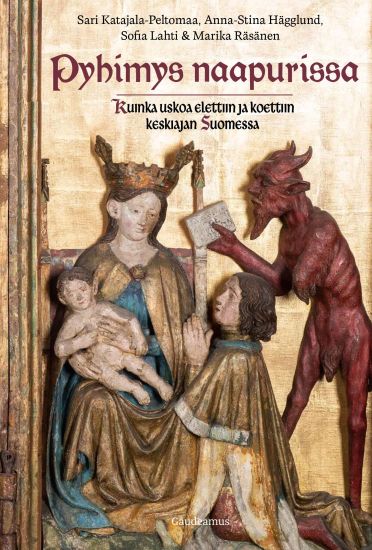
Pyhimys naapurissa

Sari Katajala-Peltomaa; Anna-Stina Hägglund; Sofia Lahti; Marika Räsänen

Gaudeamus
2026
sidottu

Halvin toimitettuna 33,90 €

Miksi Petrus Pethersonin vaimo lahjoitti pyhälle Katariinalle hopeiset rinnat? Mitä tekemistä pamahtavilla ruutipalloilla on autuaan Hemmingin kanssa? Pyhimys naapurissa kertoo aiemmin kuulematonta tarinaa uskonnollisista tavoista ja elämästä keskiajan Suomessa. Pyhimysten, taivaallisten naapureiden kanssa jaettiin ilot ja surut. Eletyssä uskossa olivat mukana tunteet, aistit ja ruumiillisuus. Teos tuo aikakauden ihmiset ja heidän värikkään arkensa lähelle meitä. Se selvittää, millaisia olivat suositut pyhiinvaellukset, millaisia lahjoja pyhimyksille annettiin ja miksi näin tehtiin. Millaisen muodon Neitsyt Marian kultti sai Suomessa, ja miten hänen kanssaan neuvoteltiin veistoksen välityksellä? Missä asioissa pyhimyksiltä pyydettiin apua? Teos hyödyntää lukuisia erilaisia lähteitä ja kuvaa elävästi keskiaikaisten ihmisten kokemuksia. Pyhimys naapurissa kyseenalaistaa väitteet keskiajan Suomesta ”puolipakanallisena maana”. Se osoittaa, että hallinnollisesta johtoasemastaan huolimatta kirkko ei kontrolloinut kaikkea, vaan keskiajan ihmisillä oli mahdollisuus elää uskoaan omannäköisillään tavoilla.
Thomas Aquinas's Relics as Focus for Conflict and Cult in the Late Middle Ages
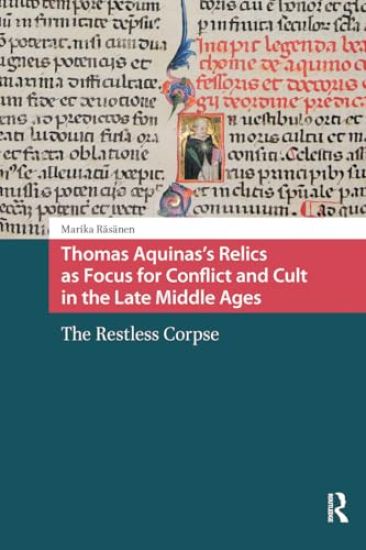
This book offers a new way of looking at Saint Thomas Aquinas-not as a living man, but as a posthumous source of relics. Marika Räsänen delves deep into the strange relationship between Aquinas's physical remains and the devotional moments they enabled-in many cases in situations where the actual relics were not present, but were recreated verbally, pictorially, or allegorically. Both the actual relics and these extended manifestations of them, Räsänen shows, were equally real to the medieval spectator, though the question of the material presence of Aquinas's remains became increasingly important over time amid the political tumult of southern Italy.
Verta vuotava kuva ja muita outoja ihmeitä

Verta vuotava kuva ja muita outoja ihmeitä

Sari Katajala-Peltomaa; Jenni Kuuliala; Marika Räsänen

Gaudeamus
2022
sidottu

Halvin toimitettuna 19,90 €

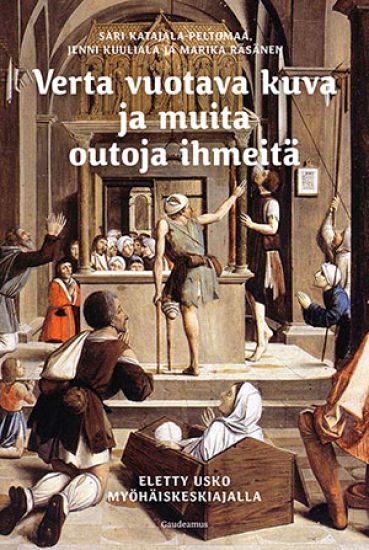
Myllärin mädäntynyt aasi virkoaa henkiin, raivopäisen mustasukkaisesta aviomiehestä sukeutuu säyseä ja rakastava puoliso ja vuolaaseen virtaan pudonnut pikkulapsi löytyy kolme päivää myöhemmin täysin vahingoittumattomana - mutta puhumaan oppineena. Hädän hetkellä keskiajan ihminen kääntyi pyhimysten puoleen. Pyhimykset välittivät jumalallista voimaa ja saivat aikaan ihmeitä - palauttivat sokeille näkökyvyn, korjasivat vääntyneitä raajoja, herättivät kuolleita henkiin. Vuorovaikutus heidän kanssaan oli erottamaton osa arkea. Verta vuotava kuva ja muita outoja ihmeitä uppoutuu ihmekokemusten, pyhimysten kunnioittamisen ja eletyn uskon suhteeseen myöhäiskeskiajan Euroopassa. Hätkähdyttävien, traagisten ja järkyttävien tapausten takaa paljastuu mitä moninaisimpia tarinoita ja kohtaloita. Niiden lisäksi tutuksi tulevat keskiaikaiset pyhimykset luostarijärjestön perustaja Birgitasta abbedissa Clara Montefalcolaiseen ja kuningas Ludvig IX:stä filosofi-teologi Tuomas Akvinolaiseen.
The Medieval Offices of Saint Thomas Aquinas

The Medieval Offices of Saint Thomas Aquinas

Hilkka-Liisa Vuori; Marika Räsänen; Seppo Heikkinen

Taideyliopiston Sibelius-Akatemia
2019
nidottu
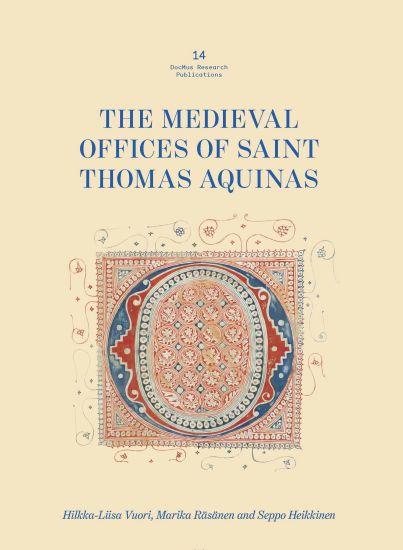
The Medieval Offices of Saint Thomas Aquinas lähestyy liturgian moniaistisuutta kolmen eri alan tutkijan näkökulmista. Sävelmät, tekstit, veistokset, maalaukset, käsikirjoitusten nuotit ja kuvat, haudat, reliikit, kynttilöiden ja suitsukkeiden tuoksut sekä tilan kaiut ovat kaikki aikanaan luoneet liturgian eläväksi ja koettavaksi siihen osallistuneille. Nyt julkaistava teos sisältää noin 120 laulua laulettavina editioina, niiden musiikkianalyysin sekä kielellisen ja kulttuurihistoriallisen tarkastelun. Kirjaprojekti on osa Koneen Säätiön tukemaa tieteellistaiteellista hanketta Näe, kuule, tunne, koe. Moniaistinen kokemuksellisuus Tuomas Akvinolaisen muistojuhlissa, jossa tutkitaan Tuomas Akvinolaisesta keskiajalla elänyttä muistoa hänen juhlapäivissään. Marika Räsäsen johtamaan hankkeeseen ovat osallistuneet tutkijat ja taiteilijat Seppo Heikkinen, Johanna Korhonen, Antti Lampinen ja HilkkaLiisa Vuori. Hankkeeseen liittyy Tuomas Akvinolaiselle omistettuja lauluja sisältävä CDlevy Felix Thomas, lumen mundi. Medieval chants for the feasts of Thomas Aquinas, jolla laulavat dominikaaniveli MarieAugustin O. P. sekä HilkkaLiisa Vuoren ja Johanna Korhosen muodostama lauluyhtye Vox Silentii. Hankkeen aikana on järjestetty noin 20 laulutyöpajaa, ”Laulun laboratoriota”, joihin osallistujat tutustettiin keskiaikaisiin pyhimysjuhliin liittyneisiin lauluihin ja niiden taustoihin. Osallistujat havainnoivat laulujen synnyttämiä tuntemuksia ja kokemuksia ja lopulta myös lauloivat niitä. This study focuses on the relationship between the music and the text in Saint Thomas Aquinas's medieval offices. Singing and listening are central to sensory experience in medieval liturgy. The combination of the melodies and words is strongly emotional, having the capacity to transform the mood of a person and the environment of the church, metaphorically transporting singers and listeners to the spiritual realm of the saint. Liturgical chants had a great potential to convey devotional and even political messages: the different sensorial stimuli of the liturgy made them attainable and understandable to everyone in medieval communities, without making a sharp distinction between religious and secular audiences. In Thomas's Dies natalis and Translatio offices, the devotional and political aspects were deliberately taken into consideration by the friars of the Order of Preachers who prepared the offices. In addition to the obvious benefit that it has preserved something of aesthetic value, such written music provides some of the best surviving evidence of the veneration of the saint. The book includes the musical notations of the chants.
Thomas Aquinas's Relics as Focus for Conflict and Cult in the Late Middle Ages
This book offers a new way of looking at Saint Thomas Aquinas-not as a living man, but as a posthumous source of relics. Marika Räsänen delves deep into the strange relationship between Aquinas's physical remains and the devotional moments they enabled-in many cases in situations where the actual relics were not present, but were recreated verbally, pictorially, or allegorically. Both the actual relics and these extended manifestations of them, Räsänen shows, were equally real to the medieval spectator, though the question of the material presence of Aquinas's remains became increasingly important over time amid the political tumult of southern Italy.