Kirjojen hintavertailu – 12 903 724 kirjaa ja 27 kauppaa

Kirjailija

Marion Kaplan

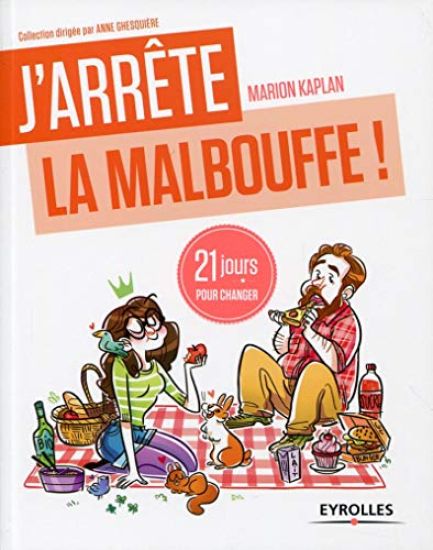
Kirjat ja teokset yhdessä paikassa: 5 kirjaa, julkaisuja vuosilta 1979–2020, suosituimpiin kuuluu J'arrete la malbouffe. Vertaile teosten hintoja ja tarkista saatavuus suomalaisista kirjakaupoista.

5 kirjaa

Kirjojen julkaisuvuodet: 1979–2020.

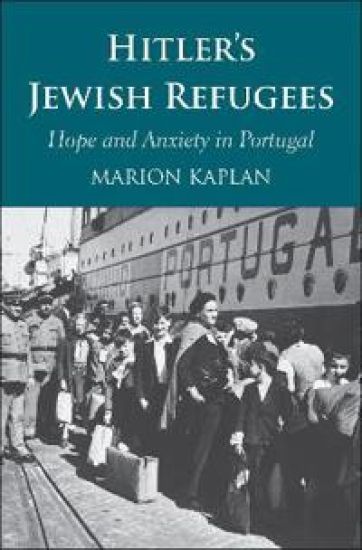
Hitler’s Jewish Refugees

Hitler’s Jewish Refugees

Marion Kaplan

Yale University Press
2020
sidottu
An award-winning historian presents an emotional history of Jewish refugees biding their time in Portugal as they attempt to escape Nazi Europe This riveting book describes the dramatic experiences of Jewish refugees as they fled Hitler’s regime and then lived in limbo in Portugal until they could reach safer havens abroad. Drawing attention not only to the social and physical upheavals these refugees experienced, Marion Kaplan also highlights their feelings as they fled their homes and histories, while having to beg strangers for kindness. Portugal’s dictator, António de Oliveira Salazar, admitted the largest number of Jews fleeing westward—tens of thousands of them—but then set his secret police on those who did not move along quickly enough. Yet Portugal’s people left a lasting impression on refugees for their caring and generosity. Most refugees in Portugal showed strength and stamina as they faced unimagined challenges. An emotional history of fleeing, this book probes how specific locations touched refugees’ inner lives, including the borders they nervously crossed or the overcrowded transatlantic ships that signaled their liberation.
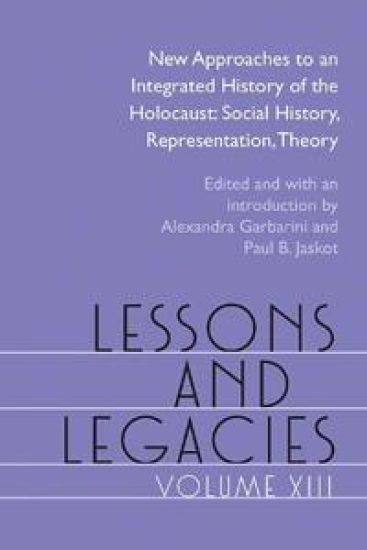
Lessons and Legacies XIII

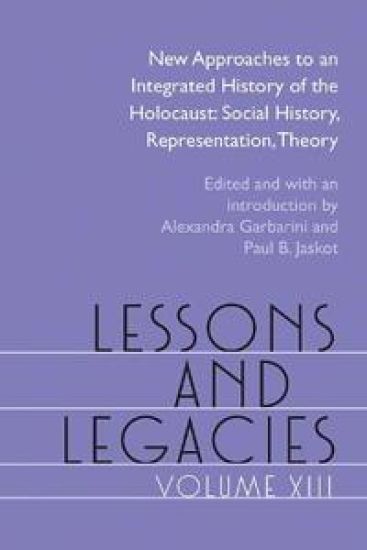
Lessons and Legacies XIII

Alexandra Garbarini; Paul Jaskot; Brad Prager; Dana Smith; Marion Kaplan; Kaelber Lutz; Kubátová Hana; Martin Dean; Jan Grabowski; Simone Gigliotti; Pedro Correa Martín-Arroyo; Jonathan Druker; Gershon Greenberg; Lissa Skitolsky; Dorota Glowacka

Northwestern University Press
2018
sidottu
The social history of the genocide, its representation in postwar culture, and new theoretical approaches stand at the forefront of current research in a range of disciplines. Analyses at the most intimate scale—of the individual or of a particular locale— are juxtaposed with those that turn to broader studies of the war or postwar order. Complementing these different scales are theoretical investigations that address individual agency, moral judgment, and the construction of meaning and memory in the study of the victims of the Holocaust and in our understanding of society as a whole. Together they mark the contemporary scholarly landscape of Holocaust studies, which includes history as well as film and literary studies, philosophy, and religious studies (among other disciplines). Each of the volume's three sections contributes to understanding the Holocaust and postwar ramifications of the genocide by focusing on: 1) the history of specific communities of both victims and perpetrators; 2) postwar cultural representations; and 3) new theoretical understandings of each. The essays in this volume thus represent new interests in the field that contribute to building integrated histories of the Holocaust.
Lessons and Legacies XIII

Lessons and Legacies XIII

Alexandra Garbarini; Paul Jaskot; Brad Prager; Dana Smith; Marion Kaplan; Kaelber Lutz; Kubátová Hana; Martin Dean; Jan Grabowski; Simone Gigliotti; Pedro Correa Martín-Arroyo; Jonathan Druker; Gershon Greenberg; Lissa Skitolsky; Dorota Glowacka

Northwestern University Press
2018
nidottu
The social history of the genocide, its representation in postwar culture, and new theoretical approaches stand at the forefront of current research in a range of disciplines. Analyses at the most intimate scale—of the individual or of a particular locale— are juxtaposed with those that turn to broader studies of the war or postwar order. Complementing these different scales are theoretical investigations that address individual agency, moral judgment, and the construction of meaning and memory in the study of the victims of the Holocaust and in our understanding of society as a whole. Together they mark the contemporary scholarly landscape of Holocaust studies, which includes history as well as film and literary studies, philosophy, and religious studies (among other disciplines). Each of the volume's three sections contributes to understanding the Holocaust and postwar ramifications of the genocide by focusing on: 1) the history of specific communities of both victims and perpetrators; 2) postwar cultural representations; and 3) new theoretical understandings of each. The essays in this volume thus represent new interests in the field that contribute to building integrated histories of the Holocaust.