Kirjojen hintavertailu – 12 859 818 kirjaa ja 27 kauppaa

Kirjailija

Marjory Stoneman Douglas

Kirjat ja teokset yhdessä paikassa: 10 kirjaa, julkaisuja vuosilta 1988–2023, suosituimpiin kuuluu Coral Gables: America's Finest Suburb, Miami, Florida / an Interpretation by Marjory Stoneman Douglas.. Vertaile teosten hintoja ja tarkista saatavuus suomalaisista kirjakaupoista.

10 kirjaa

Kirjojen julkaisuvuodet: 1988–2023.

Coral Gables: America's Finest Suburb, Miami, Florida / an Interpretation by Marjory Stoneman Douglas.
In this engaging volume, Marjory Stoneman Douglas examines the history and culture of Coral Gables, Florida. With witty prose and in-depth analysis, Douglas reveals the unique character of this Floridian suburb and its place in the broader world. This work has been selected by scholars as being culturally important, and is part of the knowledge base of civilization as we know it. This work is in the "public domain in the United States of America, and possibly other nations. Within the United States, you may freely copy and distribute this work, as no entity (individual or corporate) has a copyright on the body of the work. Scholars believe, and we concur, that this work is important enough to be preserved, reproduced, and made generally available to the public. We appreciate your support of the preservation process, and thank you for being an important part of keeping this knowledge alive and relevant.

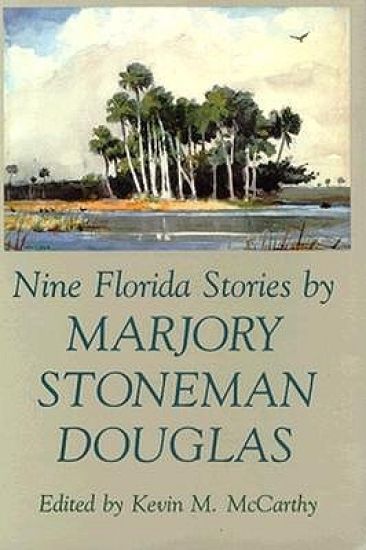
Nine Florida Stories

Nine Florida Stories

Marjory Stoneman Douglas; Kevin M. McCarthy

University Press of Florida
1990
nidottu
"A collection of tales boiling with real estate dealers, egret poachers, rumrunners, mango growers, sportsmen, land grubbers, murderers, and mosquitoes. First printed in The Saturday Evening Post during the 1920s, '30s, and '40s, these stories constitute a rip-snorting glimpse back to a South Florida that now exists only in memory."--Miami Herald"Reflects the same concerns found in her better-known non-fiction work--a fascination with the beauty of Florida and a warning against its imminent destruction."--Tallahassee DemocratThe subjects that would fire Marjory Stoneman Douglas's enthusiasm for the rest of her life first appeared in her short fiction published in the 1920s. Florida's most celebrated environmentalist, the author of The Everglades: River of Grass, wrote even then about protecting South Florida's fragile ecosystem and the state's endangered species, about the dangers of short-sighted land development, and about Florida history. The nine stories in this first collection take place in a scattering of South Florida settings--Miami, Ft. Lauderdale, the Tamiami Trail, the Keys, the Everglades--and reveal the drama of hurricanes and plane crashes, of kidnappers, escaped convicts, and smugglers. Editor Kevin McCarthy relates each story to Douglas's life and points out the autobiographical touches which surface frequently in her stories.
Marjory Stoneman Douglas

Marjory Stoneman Douglas

Marjory Stoneman Douglas

Pineapple Press
1990
pokkari
Born in Minnesota in 1890 and raised and educated in Massachusetts, Marjory Stoneman Douglas came to Florida in 1915 to work for her father, who had just started a newspaper called the Herald in a small town called Miami. In this "frontier" town, she recovered from a misjudged marriage, learned to write journalism and fiction and drama, took on the fight for feminism and racial justice and conservation long before those causes became popular, and embarked on a long and uncommonly successful voyage into self-understanding. Way before women did this sort of thing, she recognized her own need for solitude and independence, and built her own little house away from town in an area called Coconut Grove. She still lives there, as she has for over 40 years, with her books and cats and causes, emerging frequently to speak, still a powerful force in ecopolitics. Marjory Stoneman Douglas begins this story of her life by admitting that "the hardest thing is to tell the truth about oneself" and ends it stating her belief that "life should be lived so vividly and so intensely that thoughts of another life, or a longer life, are not necessary." The voice that emerges in between is a voice from the past and a voice from the future, a voice of conviction and common sense with a sense of humor, a voice so many audiences have heard over the years--tough words in a genteel accent emerging from a tiny woman in a floppy hat--which has truly become the voice of the river.
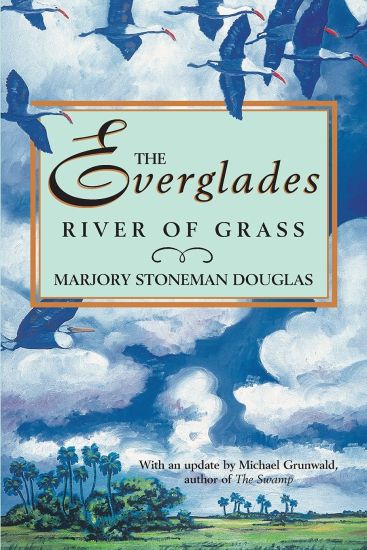
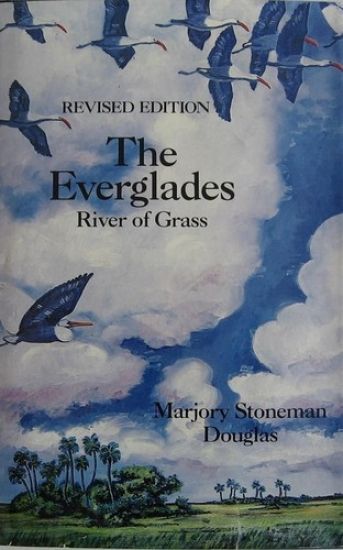
The Everglades: River of Grass

The Everglades: River of Grass

Marjory Stoneman Douglas

Pineapple Press Inc.,U.S.
2021
pokkari
Before 1947, when Marjory Stoneman Douglas named The Everglades a "river of grass," most people considered the area worthless. She brought the world's attention to the need to preserve The Everglades. In the Afterword, Michael Grunwald tells us what has happened to them since then. Grunwald points out that in 1947 the government was in the midst of establishing the Everglades National Park and turning loose the Army Corps of Engineers to control floods--both of which seemed like saviors for the Glades. But neither turned out to be the answer. Working from the research he did for his book, The Swamp, Grunwald offers an account of what went wrong and the many attempts to fix it, beginning with Save Our Everglades, which Douglas declared was "not nearly enough." Grunwald then lays out the intricacies (and inanities) of the more recent and ongoing CERP, the hugely expensive Comprehensive Everglades Restoration Plan.
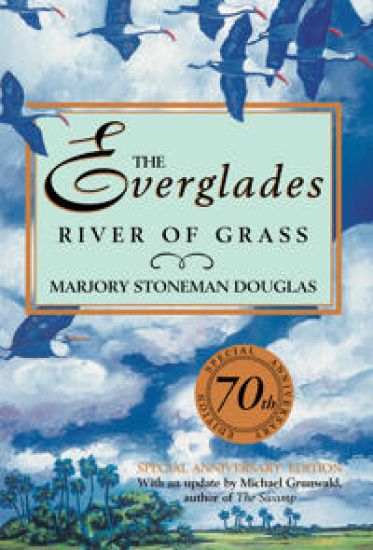
The Everglades

The Everglades

Marjory Stoneman Douglas; Michael Grunwald

Pineapple Press Inc.,U.S.
2016
sidottu
Before 1947, when Marjory Stoneman Douglas named The Everglades a "river of grass," most people considered the area worthless. She brought the world's attention to the need to preserve the Everglades. In the new and updated Afterword, Michael Grunwald again tells us what has happened to them since then. Grunwald points out that in 1947 the government was in the midst of establishing the Everglades National Park and turning loose the Army Corps of Engineers to control floods--both of which seemed like saviors for the Glades. But neither turned out to be the answer. Working from the research he did for his book, The Swamp, Grunwald offers an account of what went wrong and the many attempts to fix it, beginning with Save Our Everglades, which Douglas declared was "not nearly enough." Grunwald then lays out the intricacies (and inanities) of the more recent and ongoing CERP, the hugely expensive Comprehensive Everglades Restoration Plan.
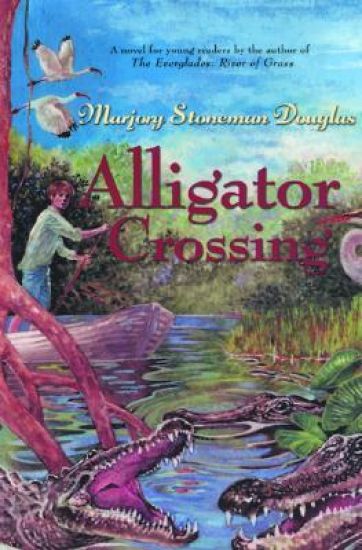
Alligator Crossing

Alligator Crossing

Marjory Stoneman Douglas

Milkweed Editions
2003
nidottu
Fleeing bullies and life with his stepfamily, Henry Bunks finds a secret hideaway that becomes his observation point for activities in the Florida Everglades, legal and otherwise.
The Wide Brim

The Wide Brim

Marjory Stoneman Douglas

University Press of Florida
2002
sidottu
Often described as the savior of the Everglades, Marjory Stoneman Douglas is best known for having been Florida's most passionate environmentalist, but she was first, foremost, and always a writer. As the author of fiction and nonfiction books, most notably The Everglades: River of Grass, and scores of short stories, Douglas devoted over ninety years to her career as a writer. Her fascinating and little-known work as a journalist began as a columnist for the Miami Herald. The Wide Brim presents a collection of her best articles - many of which were preceded by a poem of her own composition - from her daily column ""The Galley."" which ran from 1920 until 1923. The selections reflect Douglas's many voices, which made her a distinctive commentator of the time: nature lover, South. Florida booster, political analyst, woman, social progressive, intellectual, and philosopher and observer of human nature. With the same passion and eloquence that she became famous for in later years, Douglas maneuvered gracefully from one topic to the next. From straightforward commentary to witty prose, from harsh criticism to infectious humor, from biting sarcasm to whimsical verse, from glimpses into nature to those into human nature, the rich and vibrant voice of Marjory Stoneman Douglas in her 30s is now readily accessible. Because Douglas's columns engage matters of the day, the pieces collected in this volume provide insight not only into her maturation as a writer and civicminded citizen of South Florida but also into the intellectual, cultural, and political world of Miami in the early stages of its development. For today's reader, her columns combine literature and history at their most informative and entertaining.
A River in Flood and Other Florida Stories

A River in Flood and Other Florida Stories

Marjory Stoneman Douglas

University Press of Florida
1998
nidottu
The themes of Marjory Stoneman Douglas' stories in this collection range from hurricanes, cock-fighting and real estate deals to struggling immigrants and corruption in the Everglades. They were originally published in the 1920s and 30s in the ""Saturday Evening Post"".