Kirjojen hintavertailu – 12 903 725 kirjaa ja 27 kauppaa
Kirjailija
Mark Brenner
Kirjat ja teokset yhdessä paikassa: 5 kirjaa, julkaisuja vuosilta 2008–2023, suosituimpiin kuuluu Geheimnisse einer erfolgreichen OrganizerIn. Vertaile teosten hintoja ja tarkista saatavuus suomalaisista kirjakaupoista.
Här sammanfattas grunderna för facklig organisering i 47 lärdomar. Vi har delat upp dem i åtta lektioner, och för varje använder vi exempel hämtade från verkligheten på arbetsgolvet, tagna från tidningen Labor Notes och våra böcker. Det är bäst att läsa tillsammans. Organisering är inte att köra sitt eget race. Du kan läsa boken själv, men du kommer lära dig mer om du pratar igenom varje lektion med en kompis – eller ännu hellre med några arbetskamrater.
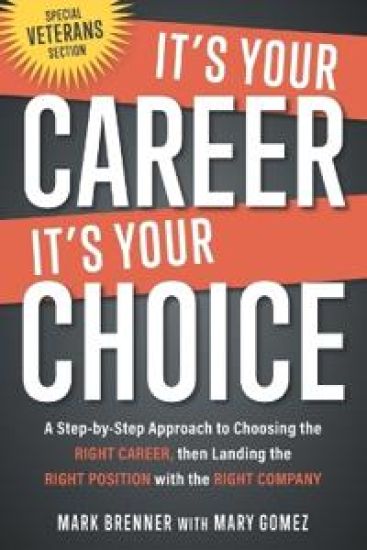
Get step-by-step guidance to land your dream job Backed by decades of combined staffing and recruiting experience, the authors share real-world strategies for yourentire job-search process. - Discover a simple tool to guide every major decision inyour job search.- Learn how to select or transition to a new career.- Get a proven resume template that's worked forthousands of job seekers.- Effective networking strategies to connect with keydecision makers.- View screenshots and instructions to use LinkedIn to findjob opportunities - and get found by employers.- Read in-depth interviewing tips, so you can calmly andcomfortably ace every in-person and video interview. Throughout this book, you will be encouraged and empowered to go for it. After all, IT'S YOUR CAREER -IT'S YOUR CHOICE
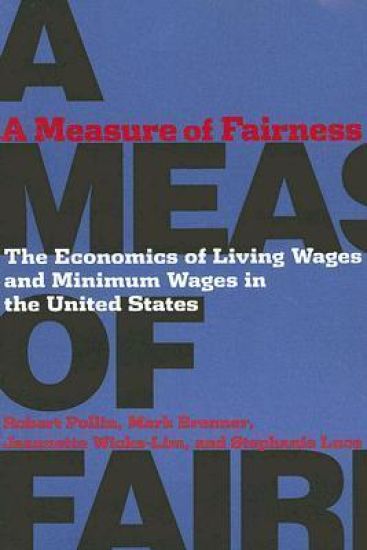
In early 2007, there were approximately 140 living wage ordinances in place throughout the United States. Communities around the country frequently debate new proposals of this sort. Additionally, as a result of ballot initiatives, twenty-nine states and the District of Columbia, representing nearly 70 percent of the total U. S. population, maintain minimum wage standards above those set by the federal minimum wage. In A Measure of Fairness, Robert Pollin, Mark Brenner, Jeannette Wicks-Lim, and Stephanie Luce assess how well living wage and minimum wage regulations in the United States serve the workers they are intended to help. Opponents of such measures assert that when faced with mandated increases in labor costs, businesses will either lay off workers, hire fewer low-wage employees in the future, replace low-credentialed workers with those having better qualifications or, finally, even relocate to avoid facing the increased costs being imposed on them. The authors give an overview of living wage and minimum wage implementation in Louisiana, New Mexico, Arizona, California, Massachusetts, and Connecticut to show how these policies play out in the paychecks of workers, in the halls of legislature, and in business ledgers. Based on a decade of research, this volume concludes that living wage laws and minimum wage increases have been effective policy interventions capable of bringing significant, if modest, benefits to the people they were intended to help.
In early 2007, there were approximately 140 living wage ordinances in place throughout the United States. Communities around the country frequently debate new proposals of this sort. Additionally, as a result of ballot initiatives, twenty-nine states and the District of Columbia, representing nearly 70 percent of the total U. S. population, maintain minimum wage standards above those set by the federal minimum wage. In A Measure of Fairness, Robert Pollin, Mark Brenner, Jeannette Wicks-Lim, and Stephanie Luce assess how well living wage and minimum wage regulations in the United States serve the workers they are intended to help. Opponents of such measures assert that when faced with mandated increases in labor costs, businesses will either lay off workers, hire fewer low-wage employees in the future, replace low-credentialed workers with those having better qualifications or, finally, even relocate to avoid facing the increased costs being imposed on them. The authors give an overview of living wage and minimum wage implementation in Louisiana, New Mexico, Arizona, California, Massachusetts, and Connecticut to show how these policies play out in the paychecks of workers, in the halls of legislature, and in business ledgers. Based on a decade of research, this volume concludes that living wage laws and minimum wage increases have been effective policy interventions capable of bringing significant, if modest, benefits to the people they were intended to help.