
Kirjojen hintavertailu – 12 903 724 kirjaa ja 27 kauppaa

Kirjailija

Mark Fettes

Kirjat ja teokset yhdessä paikassa: 2 kirjaa, julkaisuja vuosilta 2023–2024, suosituimpiin kuuluu Education as the Practice of Eco-Social-Cultural Change. Vertaile teosten hintoja ja tarkista saatavuus suomalaisista kirjakaupoista.

2 kirjaa

Kirjojen julkaisuvuodet: 2023–2024.

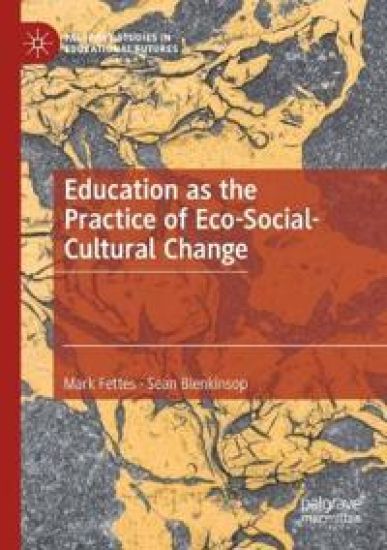
Education as the Practice of Eco-Social-Cultural Change

Education as the Practice of Eco-Social-Cultural Change

Mark Fettes; Sean Blenkinsop

Springer International Publishing AG
2024
nidottu
The current ecological crisis is the consequence of entrenched attitudes, discourses and behaviours in human societies worldwide, fostered and reinforced through modern educational traditions, processes and institutions. This book envisions a radical transformation of education to focus on the mutual flourishing of human societies with the rest of life on Earth. In part, the authors suggest approaching this as a problem of systemic design, incorporating principles that challenge and undermine key premises of the Capitalocene—the socio-economic-political landscape sustaining the current educational regime. Tracing the implications of this transition, they review core assumptions of modern Western culture that need to shift, and identify a wide range of relevant capacities and practices grouped under four complementary educator “stances” for eco-social-cultural change.
Education as the Practice of Eco-Social-Cultural Change

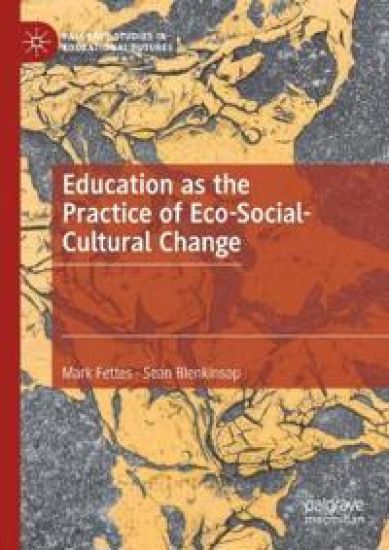
Education as the Practice of Eco-Social-Cultural Change

Mark Fettes; Sean Blenkinsop

Springer International Publishing AG
2023
sidottu
The current ecological crisis is the consequence of entrenched attitudes, discourses and behaviours in human societies worldwide, fostered and reinforced through modern educational traditions, processes and institutions. This book envisions a radical transformation of education to focus on the mutual flourishing of human societies with the rest of life on Earth. In part, the authors suggest approaching this as a problem of systemic design, incorporating principles that challenge and undermine key premises of the Capitalocene—the socio-economic-political landscape sustaining the current educational regime. Tracing the implications of this transition, they review core assumptions of modern Western culture that need to shift, and identify a wide range of relevant capacities and practices grouped under four complementary educator “stances” for eco-social-cultural change.