Kirjojen hintavertailu – 12 903 725 kirjaa ja 27 kauppaa
Kirjailija
Markus Burger
Kirjat ja teokset yhdessä paikassa: 9 kirjaa, julkaisuja vuosilta 2000–2023, suosituimpiin kuuluu Dokumentation von Anforderungen in der Produktentwicklung. Vertaile teosten hintoja ja tarkista saatavuus suomalaisista kirjakaupoista.
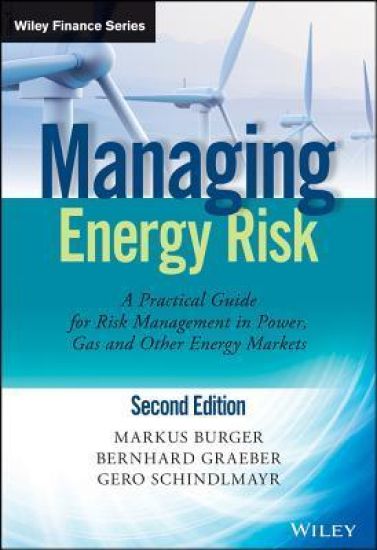
An overview of today's energy markets from a multi-commodity perspective As global warming takes center stage in the public and private sectors, new debates on the future of energy markets and electricity generation have emerged around the world. The Second Edition of Managing Energy Risk has been updated to reflect the latest products, approaches, and energy market evolution. A full 30% of the content accounts for changes that have occurred since the publication of the first edition. Practitioners will appreciate this contemporary approach to energy and the comprehensive information on recent market influences. A new chapter is devoted to the growing importance of renewable energy sources, related subsidy schemes and their impact on energy markets. Carbon emissions certificates, post-Fukushima market shifts, and improvements in renewable energy generation are all included. Further, due to the unprecedented growth in shale gas production in recent years, a significant amount of material on gas markets has been added in this edition. Managing Energy Risk is now a complete guide to both gas and electricity markets, and gas-specific models like gas storage and swing contracts are given their due. The unique, practical approach to energy trading includes a comprehensive explanation of the interactions and relations between all energy commodities. Thoroughly revised to reflect recent changes in renewable energy, impacts of the financial crisis, and market fluctuations in the wake of FukushimaEmphasizes both electricity and gas, with all-new gas valuation models and a thorough description of the gas marketWritten by a team of authors with theoretical and practical expertise, blending mathematical finance and technical optimizationCovers developments in the European Union Emissions Trading Scheme, as well as coal, oil, natural gas, and renewables The latest developments in gas and power markets have demonstrated the growing importance of energy risk management for utility companies and energy intensive industry. By combining energy economics models and financial engineering, Managing Energy Risk delivers a balanced perspective that captures the nuances in the exciting world of energy.
? Interorganisationalen Netzwerken wird nachgesagt, eine besonders flexible wirtschaftliche Organisationsform zu sein. Erst in jüngster Zeit finden sich Studien, die belegen, dass es auch in Netzwerken – bzw. allgemeiner: in Interorganisationsbeziehungen – zu strukturellen Beharrungstendenzen kommt. Diese Arbeit untersucht, inwiefern die noch junge Theorie der interorganisationale Pfadabhängigkeit derlei Rigiditäten erklären kann. Dafür werden vier Fallstudien von Verteilungspraktiken von Kooperationserfolgen in der opto-elektronischen Industrie untersucht. Im Ergebnis wird gezeigt, dass Netzwerkrigidität durch selbstverstärkende Koordinations- und Komplementaritätseffekte entstehen kann.
Mathematical techniques for trading and risk management. Managing Energy Risk closes the gap between modern techniques from financial mathematics and the practical implementation for trading and risk management. It takes a multi-commodity approach that covers the mutual influences of the markets for fuels, emission certificates, and power. It includes many practical examples and covers methods from financial mathematics as well as economics and energy-related models.