Kirjojen hintavertailu – 12 875 650 kirjaa ja 26 kauppaa

Kirjailija

Marnie Hughes-Warrington

Kirjat ja teokset yhdessä paikassa: 15 kirjaa, julkaisuja vuosilta 2003–2026, suosituimpiin kuuluu History and Artificial Intelligence. Vertaile teosten hintoja ja tarkista saatavuus suomalaisista kirjakaupoista.

15 kirjaa

Kirjojen julkaisuvuodet: 2003–2026.

History and Artificial Intelligence

History and Artificial Intelligence

Marnie Hughes-Warrington

Cambridge University Press
2026
Nidottu
This Element looks at artificial intelligence (AI) through the triple lens of history: histories are made about AI, humans use AI to make histories, and histories are made by AI. It explains how working with data from the past is critical to AI fields such as machine learning and looks at ways that AI algorithms – artificial historians – can be designed and improved. Examples of how AI can support historical research and education introduce a broader theoretical discussion on the value of historical reasoning for the design, review, and deployment of technologies. Harms arising from current AI technologies and AI research and development are considered, as well as the complexities of recognising AI in authorship and ethical frameworks and understandings of global interactions. It argues that seeing AI through the lens of history, and vice versa, and understanding the principles that shape both is critical for the future of the past.
History and Artificial Intelligence

History and Artificial Intelligence

Marnie Hughes-Warrington

Cambridge University Press
2026
Sidottu
This Element looks at artificial intelligence (AI) through the triple lens of history: histories are made about AI, humans use AI to make histories, and histories are made by AI. It explains how working with data from the past is critical to AI fields such as machine learning and looks at ways that AI algorithms – artificial historians – can be designed and improved. Examples of how AI can support historical research and education introduce a broader theoretical discussion on the value of historical reasoning for the design, review, and deployment of technologies. Harms arising from current AI technologies and AI research and development are considered, as well as the complexities of recognising AI in authorship and ethical frameworks and understandings of global interactions. It argues that seeing AI through the lens of history, and vice versa, and understanding the principles that shape both is critical for the future of the past.
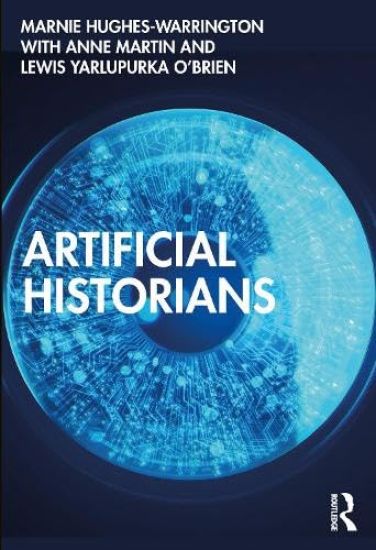
Artificial Historians

Artificial Historians

Marnie Hughes-Warrington; Anne Martin; Lewis Yarlupurka O'Brien

TAYLOR FRANCIS LTD
2025
sidottu
This book offers readers an introduction to the world of artificial histories and historians. It looks behind the interfaces of AI and explores everyday platforms and prize-winning history books to identify how people and algorithms make histories, and how they might make histories in the future. Every moment around the globe, histories are made about ordinary people who use digital devices. These histories are not made by professional historians or even by humans, but by artificial intelligence that scours our digital footprints for patterns. AI histories not only shape recommendations about what we might buy or stream, but also our access to education, healthcare, and justice. The outcomes of recommendation systems are not just a technology problem or an ethics problem. This book argues that this is also a history problem, and it needs to be understood as one if we are to make fairer or more just systems. It shows us that the deep history of history making—including Australian Aboriginal and First Nations histories—can help us to navigate the future of history in AI. Presenting readers with a range of familiar and accessible examples, Artificial Historians is a valuable resource for students, scholars, and all those interested in global historiography, technology, and artificial intelligence.
Artificial Historians

Artificial Historians

Marnie Hughes-Warrington; Anne Martin; Lewis Yarlupurka O'Brien

TAYLOR FRANCIS LTD
2025
nidottu
This book offers readers an introduction to the world of artificial histories and historians. It looks behind the interfaces of AI and explores everyday platforms and prize-winning history books to identify how people and algorithms make histories, and how they might make histories in the future. Every moment around the globe, histories are made about ordinary people who use digital devices. These histories are not made by professional historians or even by humans, but by artificial intelligence that scours our digital footprints for patterns. AI histories not only shape recommendations about what we might buy or stream, but also our access to education, healthcare, and justice. The outcomes of recommendation systems are not just a technology problem or an ethics problem. This book argues that this is also a history problem, and it needs to be understood as one if we are to make fairer or more just systems. It shows us that the deep history of history making—including Australian Aboriginal and First Nations histories—can help us to navigate the future of history in AI. Presenting readers with a range of familiar and accessible examples, Artificial Historians is a valuable resource for students, scholars, and all those interested in global historiography, technology, and artificial intelligence.
Big and Little Histories

Big and Little Histories

Marnie Hughes-Warrington; Anne Martin

Routledge
2021
nidottu
This book introduces students to ethics in historiography through an exploration of how historians in different times and places have explained how history ought to be written and how those views relate to different understandings of ethics. No two histories are the same. The book argues that this is a good thing because the differences between histories are largely a matter of ethics. Looking to histories made across the world and from ancient times until today, readers are introduced to a wide variety of approaches to the ethics of history, including well-known ethical approaches, such as the virtue ethics of universal historians, and utilitarian approaches to collective biography writing while also discovering new and emerging ideas in the ethics of history. Through these approaches, readers are encouraged to challenge their ideas about whether humans are separate from other living and non-living things and whether machines and animals can write histories. The book looks to the fundamental questions posed about the nature of history making by Indigenous history makers and asks whether the ethics at play in the global variety of histories might be better appreciated in professional codes of conduct and approaches to research ethics management. Opening up the topic of ethics to show how historians might have viewed ethics differently in the past, the book requires no background in ethics or history theory and is open to all of those with an interest in how we think about good histories.
Big and Little Histories

Big and Little Histories

Marnie Hughes-Warrington; Anne Martin

Routledge
2021
sidottu
This book introduces students to ethics in historiography through an exploration of how historians in different times and places have explained how history ought to be written and how those views relate to different understandings of ethics. No two histories are the same. The book argues that this is a good thing because the differences between histories are largely a matter of ethics. Looking to histories made across the world and from ancient times until today, readers are introduced to a wide variety of approaches to the ethics of history, including well-known ethical approaches, such as the virtue ethics of universal historians, and utilitarian approaches to collective biography writing while also discovering new and emerging ideas in the ethics of history. Through these approaches, readers are encouraged to challenge their ideas about whether humans are separate from other living and non-living things and whether machines and animals can write histories. The book looks to the fundamental questions posed about the nature of history making by Indigenous history makers and asks whether the ethics at play in the global variety of histories might be better appreciated in professional codes of conduct and approaches to research ethics management. Opening up the topic of ethics to show how historians might have viewed ethics differently in the past, the book requires no background in ethics or history theory and is open to all of those with an interest in how we think about good histories.
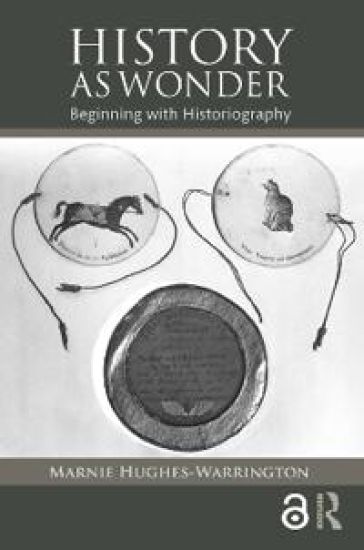
History as Wonder

History as Wonder

Marnie Hughes-Warrington

Routledge
2018
sidottu
History and Wonder is a refreshing new take on the idea of history that tracks the entanglement of history and philosophy over time through the key idea of wonder. From Ancient Greek histories and wonder works, to Islamic curiosities and Chinese strange histories, through to European historical cabinets of curiosity and on to histories that grapple with the horrors of the Holocaust, Marnie Hughes-Warrington unpacks the ways in which historians throughout the ages have tried to make sense of the world, and to change it. This book considers histories and historians across time and space, including the Ancient Greek historian Polybius, the medieval texts by historians such as Bede in England and Ibn Khaldun in Islamic Historiography, and the more recent works by Martin Heidegger, Luce Irigaray and Ranajit Guha among others. It explores the different ways in which historians have called upon wonder to cross boundaries between the past and the present, the universal and the particular, the old and the new, and the ordinary and the extraordinary. Promising to both delight and unsettle, it shows how wonder works as the beginning of historiography. Accessible, engaging and wide-ranging, History as Wonder provides an original addition to the field of historiography that is ideal for those both new to and familiar with the study of history.
History as Wonder

History as Wonder

Marnie Hughes-Warrington

Routledge
2018
nidottu
History and Wonder is a refreshing new take on the idea of history that tracks the entanglement of history and philosophy over time through the key idea of wonder. From Ancient Greek histories and wonder works, to Islamic curiosities and Chinese strange histories, through to European historical cabinets of curiosity and on to histories that grapple with the horrors of the Holocaust, Marnie Hughes-Warrington unpacks the ways in which historians throughout the ages have tried to make sense of the world, and to change it. This book considers histories and historians across time and space, including the Ancient Greek historian Polybius, the medieval texts by historians such as Bede in England and Ibn Khaldun in Islamic Historiography, and the more recent works by Martin Heidegger, Luce Irigaray and Ranajit Guha among others. It explores the different ways in which historians have called upon wonder to cross boundaries between the past and the present, the universal and the particular, the old and the new, and the ordinary and the extraordinary. Promising to both delight and unsettle, it shows how wonder works as the beginning of historiography. Accessible, engaging and wide-ranging, History as Wonder provides an original addition to the field of historiography that is ideal for those both new to and familiar with the study of history.
Fifty Key Thinkers on History

Fifty Key Thinkers on History

Marnie Hughes-Warrington

Routledge
2014
sidottu
Fifty Key Thinkers on History is an essential guide to the most influential historians, theorists and philosophers of history. The entries offer comprehensive coverage of the long history of historiography ranging from ancient China, Greece and Rome, through the Middle Ages to the contemporary world. This third edition has been updated throughout and features new entries on Machiavelli, Ranajit Guha, William McNeil and Niall Ferguson. Other thinkers who are introduced include: Herodotus Bede Ibn Khaldun E. H. Carr Fernand Braudel Eric Hobsbawm Michel Foucault Edward GibbonEach clear and concise essay offers a brief biographical introduction; a summary and discussion of each thinker’s approach to history and how others have engaged with it; a list of their major works and a list of resources for further study.
Fifty Key Thinkers on History

Fifty Key Thinkers on History

Marnie Hughes-Warrington

Routledge
2014
nidottu
Fifty Key Thinkers on History is an essential guide to the most influential historians, theorists and philosophers of history. The entries offer comprehensive coverage of the long history of historiography ranging from ancient China, Greece and Rome, through the Middle Ages to the contemporary world. This third edition has been updated throughout and features new entries on Machiavelli, Ranajit Guha, William McNeil and Niall Ferguson. Other thinkers who are introduced include: Herodotus Bede Ibn Khaldun E. H. Carr Fernand Braudel Eric Hobsbawm Michel Foucault Edward GibbonEach clear and concise essay offers a brief biographical introduction; a summary and discussion of each thinker’s approach to history and how others have engaged with it; a list of their major works and a list of resources for further study.
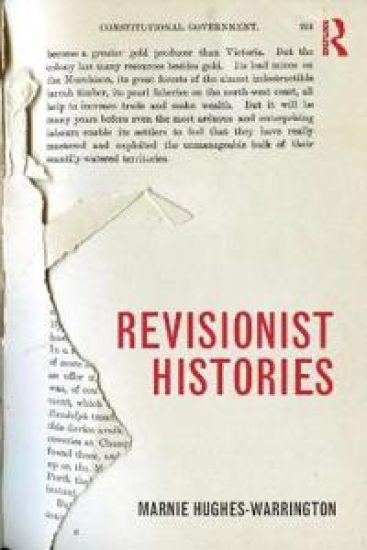
Revisionist Histories

Revisionist Histories

Marnie Hughes-Warrington

Routledge
2013
nidottu
Revision and revisionism are generally seen as standard parts of historical practice, yet they are underexplored within the growing literature on historiography. In this accessibly written volume, Marnie Hughes-Warrington discusses this paucity of work on revision in history theory and raises ethical questions about linear models and spatial metaphors that have been used to explain it. Revisionist Histories emphasises the role of the authors and audiences of histories alike as the writers and rewriters of history. Through study of digital environments, graphic novels and reader annotated texts, this book shows that the ‘sides’ of history cannot be disentangled from one another, and that they are subject to flux and even destruction over time. Incorporating diverse and controversial case studies, including the French Revolution, Holocaust Denial and European settlers’ contact with Native Americans and Indigenous Australians, Revisionist Histories offers both a detailed account of the development of revisionism and a new, more spatial vision of historiography. An essential text for students of historiography.
Revisionist Histories

Revisionist Histories

Marnie Hughes-Warrington

Routledge
2013
sidottu
Revision and revisionism are generally seen as standard parts of historical practice, yet they are underexplored within the growing literature on historiography. In this accessibly written volume, Marnie Hughes-Warrington discusses this paucity of work on revision in history theory and raises ethical questions about linear models and spatial metaphors that have been used to explain it. Revisionist Histories emphasises the role of the authors and audiences of histories alike as the writers and rewriters of history. Through study of digital environments, graphic novels and reader annotated texts, this book shows that the ‘sides’ of history cannot be disentangled from one another, and that they are subject to flux and even destruction over time. Incorporating diverse and controversial case studies, including the French Revolution, Holocaust Denial and European settlers’ contact with Native Americans and Indigenous Australians, Revisionist Histories offers both a detailed account of the development of revisionism and a new, more spatial vision of historiography. An essential text for students of historiography.
History Goes to the Movies

History Goes to the Movies

Marnie Hughes-Warrington

Routledge
2006
nidottu
Can films be used as historical evidence? Do historical films make good or bad history? Are documentaries more useful to historians than historical drama? Written from an international perspective, this book offers a lucid introduction to the ways films are made and used, cumulating with the exploration of the fundamental question, what is history and what is it for? Incorporating film analysis, advertisements, merchandise and internet forums; and ranging from late-nineteenth century short films to twenty-first century DVD ‘special editions’, this survey evaluates the varied ways in which filmmakers, promoters, viewers and scholars understand film as history. From Saving Private Ryan to Picnic at Hanging Rock to Pocahontas, History Goes to the Movies considers that history is not simply to be found in films, but in the perceptions and arguments of those who make and view them. This helpful introductory text blends historical and methodological issues with real examples to create a systematic guide to issues involved in using historical film in the study of history. History Goes to the Movies is a much-needed overview of an increasingly popular subject.
History Goes to the Movies

History Goes to the Movies

Marnie Hughes-Warrington

Routledge
2006
sidottu
Can films be used as historical evidence? Do historical films make good or bad history? Are documentaries more useful to historians than historical drama? Written from an international perspective, this book offers a lucid introduction to the ways films are made and used, cumulating with the exploration of the fundamental question, what is history and what is it for? Incorporating film analysis, advertisements, merchandise and internet forums; and ranging from late-nineteenth century short films to twenty-first century DVD ‘special editions’, this survey evaluates the varied ways in which filmmakers, promoters, viewers and scholars understand film as history. From Saving Private Ryan to Picnic at Hanging Rock to Pocahontas, History Goes to the Movies considers that history is not simply to be found in films, but in the perceptions and arguments of those who make and view them. This helpful introductory text blends historical and methodological issues with real examples to create a systematic guide to issues involved in using historical film in the study of history. History Goes to the Movies is a much-needed overview of an increasingly popular subject.
How Good an Historian Shall I be?

How Good an Historian Shall I be?

Marnie Hughes-Warrington

Imprint Academic
2003
sidottu
R. G. Collingwood's name is familiar to historians and history educators around the world. Few, however, have charted the depths of his reflections on what it means to be educated in history. In this book Marnie Hughes-Warrington begins with the facet of Collingwood's work best known to teachers — re-enactment — and locates it in historically-informed discussions on empathy, imagination and history education. Revealed are dynamic concepts of the a priori imagination and education that tend towards reflection on the presuppositions that shape our own and others’ forms of life.