Kirjojen hintavertailu – 12 903 724 kirjaa ja 27 kauppaa

Kirjailija

Marsha Weisiger

Kirjat ja teokset yhdessä paikassa: 3 kirjaa, julkaisuja vuosilta 2009–2017, suosituimpiin kuuluu Dreaming of Sheep in Navajo Country. Vertaile teosten hintoja ja tarkista saatavuus suomalaisista kirjakaupoista.

3 kirjaa

Kirjojen julkaisuvuodet: 2009–2017.

Bulidings of Wisconsin

Bulidings of Wisconsin

Marsha Weisiger

University of Virginia Press
2017
sidottu
From Milwaukee to Madison, Racine to Eau Clair, La Crosse to Sheboygan, and scores of places in between, tradition and progressivism have shaped Wisconsin's architectural landscape. This latest volume in the Society of Architectural Historians' Buildings of the United States series showcases noteworthy and representative sites across the state's six major regions and seventy-two counties. More than 750 entries canvass the entire Midwestern mosaic, including Frank Lloyd Wright masterpieces, the extraordinary Basilica of St. Josaphat, Yerkes Observatory, Old World Wisconsin, the quirky Wisconsin Concrete Park and Dickeyville Grotto, Aldo Leopold's ""shack,"" grand theaters, breweries, lighthouses, Northwoods retreats, octagon houses, round barns, and much more. Drawing on the expertise of more than twenty distinguished contributors and the Historic Preservation Office of the Wisconsin Historical Society, this indispensable guide, illustrated with 300 photographs and 32 maps, surveys all of the state's major architectural styles, including exemplary works by locally important designers and nationally noted architects and a wide rage of building types, periods, and influences. Native American effigy mounds and the turtle-shaped Oneida Nation Elementary School express the rich heritage of Wisconsin's indigenous peoples. German farmhouses and mansions, Scandinavian barns, and ethnic churches and fraternal halls testify to the waves of immigration that shaped the state in the nineteenth century. Industrial buildings, company towns and planned communities, parks and historic districts, and modernist skyscrapers exemplify the progressive spirit that held sway throughout the twentieth century. From the vernacular to the spectacular, these sites and structures reveal the state's rich heritage, highlight its contributions to innovative modern design, and illustrate the many ways in which architecture embodies the social, economic, and environmental history of Wisconsin's communities.
Dreaming of Sheep in Navajo Country

Dreaming of Sheep in Navajo Country

Marsha Weisiger; William Cronon

University of Washington Press
2011
pokkari
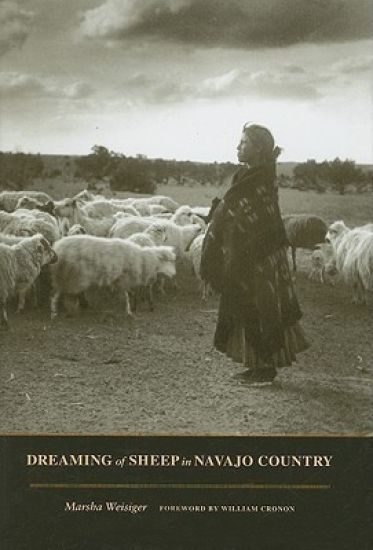
2011 Winner of the Hal K. Rothman Award for the Best Book on Western Environmental History2010 Winner of the Norris and Carol Hundley Prize and the Caroline Bancroft Honor Prize2009 Winner of the Gaspar Perez de Villagra Award sponsored by the Historical Society of New MexicoDreaming of Sheep in Navajo Country offers a fresh interpretation of the history of Navajo (Diné) pastoralism. The dramatic reduction of livestock on the Navajo Reservation in the 1930s -- when hundreds of thousands of sheep, goats, and horses were killed -- was an ambitious attempt by the federal government to eliminate overgrazing on an arid landscape and to better the lives of the people who lived there. Instead, the policy was a disaster, resulting in the loss of livelihood for Navajos -- especially women, the primary owners and tenders of the animals -- without significant improvement of the grazing lands. Livestock on the reservation increased exponentially after the late 1860s as more and more people and animals, hemmed in on all sides by Anglo and Hispanic ranchers, tried to feed themselves on an increasingly barren landscape. At the beginning of the twentieth century, grazing lands were showing signs of distress. As soil conditions worsened, weeds unpalatable for livestock pushed out nutritious native grasses, until by the 1930s federal officials believed conditions had reached a critical point. Well-intentioned New Dealers made serious errors in anticipating the human and environmental consequences of removing or killing tens of thousands of animals. Environmental historian Marsha Weisiger examines the factors that led to the poor condition of the range and explains how the Bureau of Indian Affairs, the Navajos, and climate change contributed to it. Using archival sources and oral accounts, she describes the importance of land and stock animals in Navajo culture. By positioning women at the center of the story, she demonstrates the place they hold as significant actors in Native American and environmental history. Dreaming of Sheep in Navajo Country is a compelling and important story that looks at the people and conditions that contributed to a botched policy whose legacy is still felt by the Navajos and their lands today.
Dreaming of Sheep in Navajo Country

Dreaming of Sheep in Navajo Country

Marsha Weisiger; William Cronon

University of Washington Press
2009
sidottu
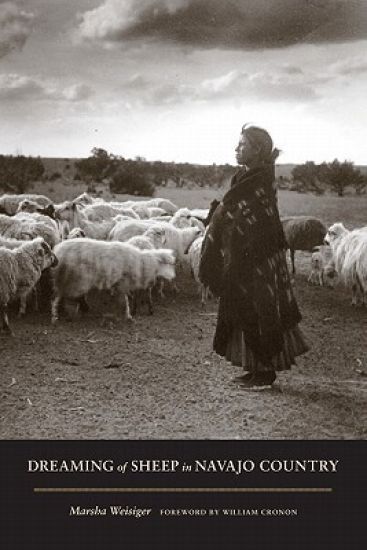
2011 Winner of the Hal K. Rothman Award for the Best Book on Western Environmental History 2010 Winner of the Norris and Carol Hundley Prize and the Caroline Bancroft Honor Prize 2009 Winner of the Gaspar Perez de Villagra Award sponsored by the Historical Society of New MexicoDreaming of Sheep in Navajo Country offers a fresh interpretation of the history of Navajo (Diné) pastoralism. The dramatic reduction of livestock on the Navajo Reservation in the 1930s -- when hundreds of thousands of sheep, goats, and horses were killed -- was an ambitious attempt by the federal government to eliminate overgrazing on an arid landscape and to better the lives of the people who lived there. Instead, the policy was a disaster, resulting in the loss of livelihood for Navajos -- especially women, the primary owners and tenders of the animals -- without significant improvement of the grazing lands. Livestock on the reservation increased exponentially after the late 1860s as more and more people and animals, hemmed in on all sides by Anglo and Hispanic ranchers, tried to feed themselves on an increasingly barren landscape. At the beginning of the twentieth century, grazing lands were showing signs of distress. As soil conditions worsened, weeds unpalatable for livestock pushed out nutritious native grasses, until by the 1930s federal officials believed conditions had reached a critical point. Well-intentioned New Dealers made serious errors in anticipating the human and environmental consequences of removing or killing tens of thousands of animals. Environmental historian Marsha Weisiger examines the factors that led to the poor condition of the range and explains how the Bureau of Indian Affairs, the Navajos, and climate change contributed to it. Using archival sources and oral accounts, she describes the importance of land and stock animals in Navajo culture. By positioning women at the center of the story, she demonstrates the place they hold as significant actors in Native American and environmental history. Dreaming of Sheep in Navajo Country is a compelling and important story that looks at the people and conditions that contributed to a botched policy whose legacy is still felt by the Navajos and their lands today.