Kirjojen hintavertailu – 12 903 725 kirjaa ja 27 kauppaa

Kirjailija

Martin Buber

Kirjat ja teokset yhdessä paikassa: 105 kirjaa, julkaisuja vuosilta 1948–2025, suosituimpiin kuuluu I and Thou. Vertaile teosten hintoja ja tarkista saatavuus suomalaisista kirjakaupoista.

105 kirjaa

Kirjojen julkaisuvuodet: 1948–2025.

Eclipse of God

Eclipse of God

Martin Buber

PROMETHEUS BOOKS UK
1988
nidottu
"The condition Buber calls the 'eclipse of God' is the reality that modern life and the teachings of many scholars have in many ways destroyed the opportunity for intimacy with an eternal, ever-present, Thou, or God. Based in part on a series of lectures he gave in the United States in 1951, this book examines Buber's interpretations of Western thinking and belief around this notion of lost intimacy or direct contact with the Divine, focusing particularly on the relationships between religion and philosophy, ethics, and Jungian psychology." -Reference and Research Book News
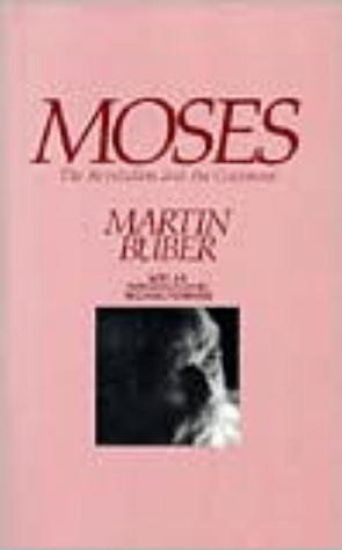
Moses

Moses

Martin Buber

Humanity Books
1988
nidottu
Martin Buber, scholar, philosopher, theologian, and Bible translator, is now considered one of the great thinkers and spiritual authorities of the 20th century. As a work of his late maturity, Moses offers the possibility to review Buber's longstanding concern with Scripture. It is in this book that Buber's methodological presuppositions about biblical language and stylistics, and his views on the enduring value of the Bible's religious teachings, come to clear expression.
The Origin and Meaning of Hasidism

The Origin and Meaning of Hasidism

Martin Buber

Humanity Books
1988
nidottu
In this book Buber completed his lifework of recreating and interpreting Hasidism. Here he makes explicit the place of Hasidism among world religions, contrasting it with biblical prophecy, Spinoza, Freud, Sankara, Meister Eckhart, Gnosticism, Christianity, Zionism, and Zen Buddhism.
I and Thou

I and Thou

Martin Buber

Howard Books
1971
nidottu

Halvin toimitettuna 20,30 €

Martin Buber's I and Thou has long been acclaimed as a classic. Many prominent writers have acknowledged its influence on their work; students of intellectual history consider it a landmark; and the generation born since World War II considers Buber as one of its prophets. The need for a new English translation has been felt for many years. The old version was marred by many inaccuracies and misunderstandings, and its recurrent use of the archaic "thou" was seriously misleading. Now Professor Walter Kaufmann, a distinguished writer and philosopher in his own right who was close to Buber, has retranslated the work at the request of Buber's family. He has added a wealth of informative footnotes to clarify obscurities and bring the reader closer to the original, and he has written a long "Prologue" that opens up new perspectives on the book and on Buber's thought. This volume should provide a new basis for all future discussions of Buber.