Kirjojen hintavertailu – 12 859 828 kirjaa ja 27 kauppaa

Kirjailija

Martin Ewans

Kirjat ja teokset yhdessä paikassa: 9 kirjaa, julkaisuja vuosilta 2002–2015, suosituimpiin kuuluu Conflict in Afghanistan. Vertaile teosten hintoja ja tarkista saatavuus suomalaisista kirjakaupoista.

9 kirjaa

Kirjojen julkaisuvuodet: 2002–2015.

Afghanistan - A New History

Afghanistan - A New History

Sir Martin Ewans; Martin Ewans; Patrick Weber; Robyn Carr

Routledge
2015
nidottu
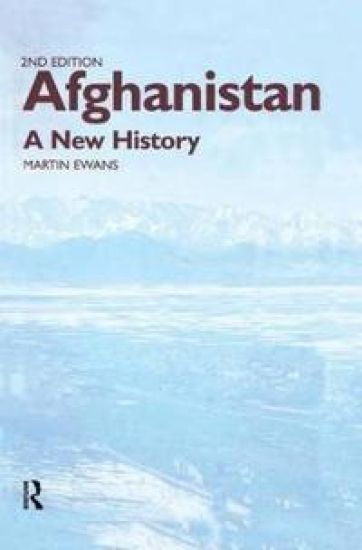
Sir Martin Ewans, former Head of the British Chancery in Kabul, puts into an historical and contemporary context the series of tragic events that have impinged on Afghanistan in the past fifty years. The book examines the roots of these developments in Afghanistan's earlier history and external relationships, as well as their contemporary relevance, internally, regionally, and globally. The book also reviews in details the emergence of the Taliban, their ideology and their place within Islam, and examines Afghanistan's relevance in global issues, notably the nature of Islamic extremism, the international drugs trade and international terrorism. It ends with an analysis of the country post-Taliban.
European Atrocity, African Catastrophe

European Atrocity, African Catastrophe

Sir Martin Ewans; Martin Ewans

Routledge
2015
nidottu
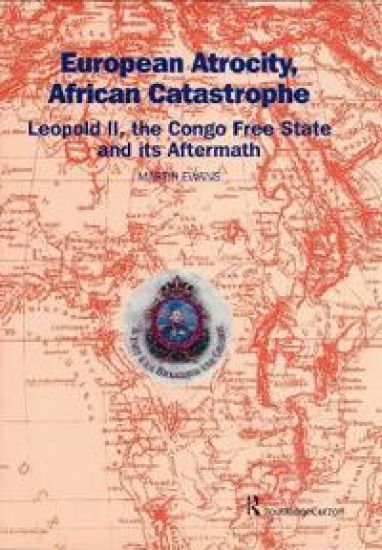
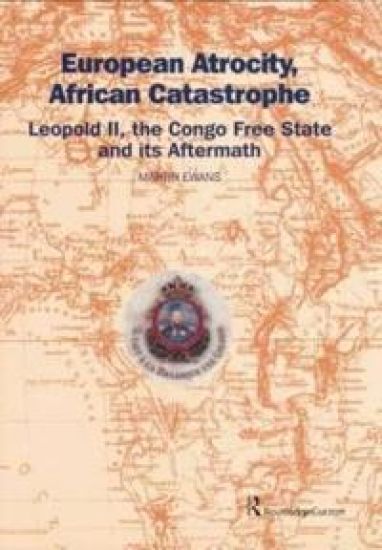
There is a broad consensus among those who are concerned with Africa that the plight of the continent is approaching the catastrophic. Partly the roots of the problem are historical, stemming from the exploitation and colonisation of the continent by European powers. An appreciation of the history of the relationship between Europe and Africa, a major episode of which this book examines, is indispensable to an understanding of the continent's present predicament. In the late 19th and early 20th centuries King Leopold II of the Belgians established a colony in Africa, which, as the Congo Free State, became a byword for unremitting exploitation and widespread atrocities. This book describes the creation, the development and the collapse both of this regime and of the Belgian colony that replaced it. Conclusions are drawn about the nature of European colonialism in Africa and the consequences for Europe itself.
Conflict in Afghanistan

Conflict in Afghanistan

Martin Ewans

Routledge
2014
nidottu
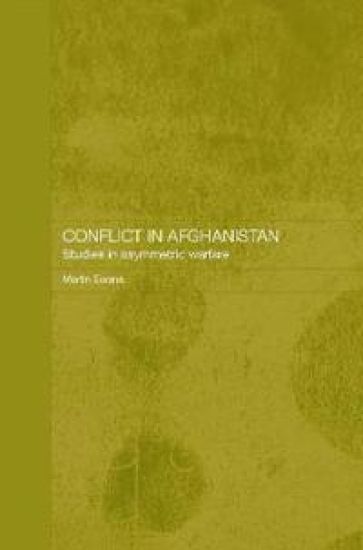
Asymmetric warfare, involving conflicts where smaller powers apply their strengths against the weaknesses of a more powerful opponent, has become a key modern concern since the September 11th attacks. Conflict in Afghanistan tackles this issue by examining the five wars Afghanistan has waged against foreign powers over the past two centuries, all of which have involved forms of asymmetric warfare. Incorporating contemporary documents and material from Soviet archives, the text analyzes each war’s antecedents, conduct, and consequences. Important questions are asked about the role of religious beliefs, fanaticism, diplomacy, governmental decision-making and military competence, issues that have great contemporary relevance. The book provides an illuminating commentary of Afghanistan’s wars and examines the relevance of these conflicts to the modern-day challenge of counter-insurgency and asymmetric warfare.
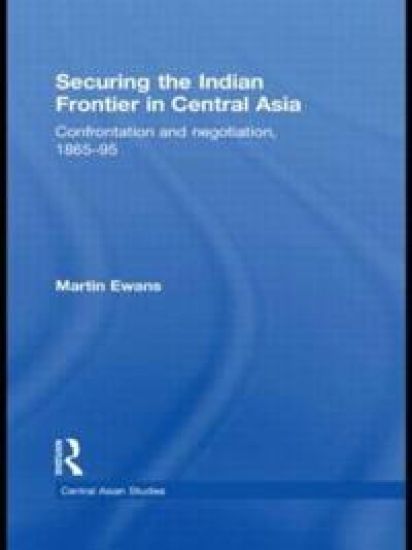
Securing the Indian Frontier in Central Asia
The three decades between 1865 and 1895 marked a particularly contentious period in the relationship between Britain and Russia in Central Asia, which more than once brought them to the verge of war. Moderates tried to settle the problem by the negotiation of ‘neutral zones’, or firm boundaries, but the issue was complicated by misreading of intentions, much internal confusion and dispute, and considerable ignorance of the geographical and geopolitical factors involved. This careful and detailed analysis examines the strategic thinking and diplomatic discourse which underlay the whole period, and in particular of the succession of efforts to establish a frontier, which eventually brought the period to a close without a major confrontation being provoked. Based on relevant records in the PRO and the British Library, as well as private papers, press comment, parliamentary debates and other contemporary accounts, Sir Martin Ewans provides a ‘history of thought' of this crucial period in Central Asia. He provides an insight into the manner in which issues of war and peace were handled in the 19th Century and a fascinating case study of a great power relationship prior to the First World War. An important contribution to the study of Asian history, Tsarist Russia, imperial history and the history of British India, this book will also be of interest in India and Pakistan as a study of the events that led to the definition and consolidation of their northern frontiers.
Conflict in Afghanistan

Conflict in Afghanistan

Martin Ewans

Routledge
2005
sidottu
Asymmetric warfare, involving conflicts where smaller powers apply their strengths against the weaknesses of a more powerful opponent, has become a key modern concern since the September 11th attacks. Conflict in Afghanistan tackles this issue by examining the five wars Afghanistan has waged against foreign powers over the past two centuries, all of which have involved forms of asymmetric warfare. Incorporating contemporary documents and material from Soviet archives, the text analyzes each war’s antecedents, conduct, and consequences. Important questions are asked about the role of religious beliefs, fanaticism, diplomacy, governmental decision-making and military competence, issues that have great contemporary relevance. The book provides an illuminating commentary of Afghanistan’s wars and examines the relevance of these conflicts to the modern-day challenge of counter-insurgency and asymmetric warfare.
Afghanistan - A New History

Afghanistan - A New History

Sir Martin Ewans; Martin Ewans; Patrick Weber; Robyn Carr

Routledge
2002
sidottu
Sir Martin Ewans, former Head of the British Chancery in Kabul, puts into an historical and contemporary context the series of tragic events that have impinged on Afghanistan in the past fifty years. The book examines the roots of these developments in Afghanistan's earlier history and external relationships, as well as their contemporary relevance, internally, regionally, and globally. The book also reviews in details the emergence of the Taliban, their ideology and their place within Islam, and examines Afghanistan's relevance in global issues, notably the nature of Islamic extremism, the international drugs trade and international terrorism. It ends with an analysis of the country post-Taliban.
Afghanistan

Afghanistan

Martin Ewans

HarperPerennial
2002
nidottu

Halvin toimitettuna 24,00 €

Examines the history, people, politics, religion, geography, and culture of Afghanistan, offering a revealing portrait of the war-ravaged nation and the Taliban regime and including new information covering events up to spring 2002.
European Atrocity, African Catastrophe

European Atrocity, African Catastrophe

Sir Martin Ewans; Martin Ewans

RoutledgeCurzon
2002
sidottu
There is a broad consensus among those who are concerned with Africa that the plight of the continent is approaching the catastrophic. Partly the roots of the problem are historical, stemming from the exploitation and colonisation of the continent by European powers. An appreciation of the history of the relationship between Europe and Africa, a major episode of which this book examines, is indispensable to an understanding of the continent's present predicament. In the late 19th and early 20th centuries King Leopold II of the Belgians established a colony in Africa, which, as the Congo Free State, became a byword for unremitting exploitation and widespread atrocities. This book describes the creation, the development and the collapse both of this regime and of the Belgian colony that replaced it. Conclusions are drawn about the nature of European colonialism in Africa and the consequences for Europe itself.