Kirjojen hintavertailu – 12 903 725 kirjaa ja 27 kauppaa
Kirjailija
Martin Lavin
Kirjat ja teokset yhdessä paikassa: 2 kirjaa, julkaisuja vuosilta 1992–1993, suosituimpiin kuuluu Programmed Cell Death. Vertaile teosten hintoja ja tarkista saatavuus suomalaisista kirjakaupoista.
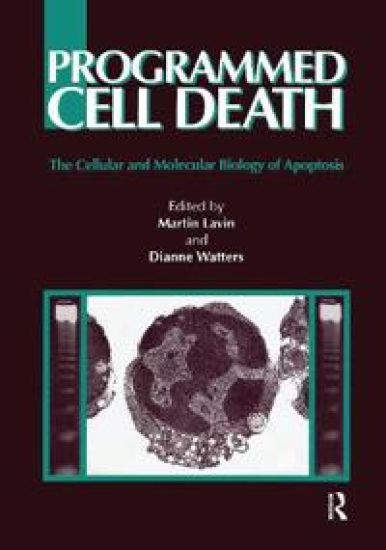
Although general morphological features have been used to consistently identify the changes in cell ultrastructure occurring during apoptosis, as distinct from necrosis, important advances have been achieved more recently in the investigation of the cellular and molecular aspects of this process. This book brings together the latest international research on the complex subject of programmed cell death, and covers such areas as the biochemical mechanisms, introduction of DNA fragmentation, enetic regulation, and the importance of apoptosis in the immune system, particularly during T-cell development, and in cancer. The comparison of a number of common signal transduction pathways with those involved in cell growth highlights an important relationship between apoptosis and the control of cell proliferation.
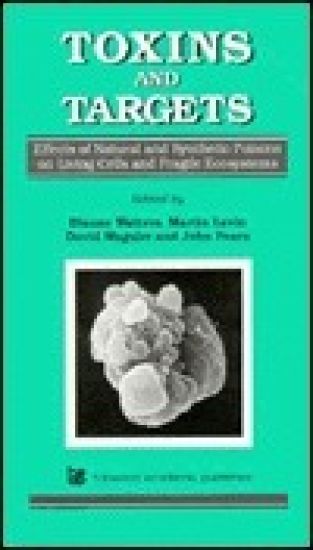
First Published in 1992. The last decade of the twentieth century has seen an unprecedented advocacy for the preservation of a safe environment, and the prevention of ill-health from toxic chemicals. Human activity, however, is responsible for introducing new toxins into the environment. In order to control competitors for human food sources, an armament of pesticides has been assembled and their widespread and largely uncontrolled application has been permitted. It is only when the health of the population begins to suffer from the effects of these chemicals that the efficacy of their use is questioned. Decision-makers whose roles involve the promotion and control of the environment must look to lessons that can be learnt from biosystems that include animals other than man. Toxins and Targets details the way in which organisms from diverse habitats in the plant and animal kingdoms have adapted to handle toxins safely. Part I, on the aquatic environment, highlights the means by which marine organisms have adapted their toxins to be effective in a world of high aqueous solubility and infinite dilution. Part II deals with venomous terrestrial organisms and the mechanisms by which they damage animal cells, and Part III considers the way in which human society attempts to investigate toxicity and to control both synthetic and naturally occurring poisons. The development of a safe environment depends on increased knowledge and novel approaches to solving escalating problems. This book is a step towards this end.