Kirjojen hintavertailu – 12 859 828 kirjaa ja 27 kauppaa
Kirjailija
Martin Lipton
Kirjat ja teokset yhdessä paikassa: 6 kirjaa, julkaisuja vuosilta 1991–2019, suosituimpiin kuuluu Code Yellow. Vertaile teosten hintoja ja tarkista saatavuus suomalaisista kirjakaupoista.
NEVER IN THE ANNALS OF INTERNATIONAL DIPLOMACY, HAVE THE HEADS OF THE TWO MOST POWERFUL INTELLIGENCE AGENCIES IN THE WORLD; COLD WAR ENEMIES; MET WITHOUT THE KNOWLEDGE OF THEIR RESPECTIVE GOVERNMENTS, TO PLOT THE ASSASSINATION OF THEIR OWN SENIOR AGENTS. AN UNKNOWN SECRET FROM THE PAST, LINKS THE TWO INTELLIGENCE OFFICERS, AND MAKES THEM POTENTIAL THREATS TO THEIR GOVERNMENTS. THE STORY FOLLOWS THE TWO AGENTS, AS THEY ROAM THE WORLD, TRYING TO ESCAPE ASSASSINS SENT BY THEIR OWN INTELLIGENCE DELEGATIONS; AND TRY TO LEARN THE REASON THEY'VE BEEN MARKED FOR EXECUTION BY THEIR OWN PEOPLE. THOMAS ADDISON, MIKHAIL ARBATOV, AND HIS PARAMOUR, KATERINA BOGDONOVICH, COMBINE THEIR TALENTS AND SKILLS IN AN ATTEMPT TO UNCOVER THE REASONS FOR THEIR DEATH SENTENCES, AND THE DETAILS OF DISTANT EVENTS THAT HAVE BRANDED THEM FOR ELIMINATION.
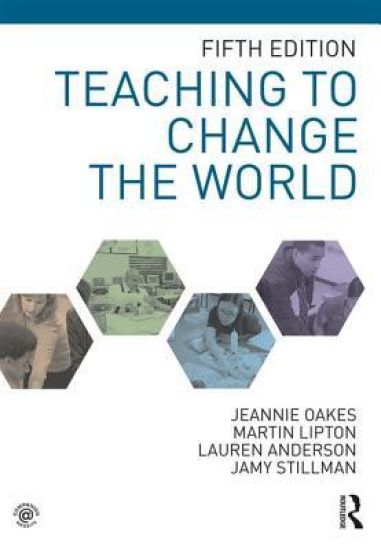
Teaching to Change the World is an up-to-the-moment, engaging, social justice-oriented introduction to education and teaching, and the challenges and opportunities they present. Both foundational and practical, the chapters are organized around conventional topics but in a way that consistently integrates a coherent story that explains why schools are as they are. Taking the position that a hopeful, democratic future depends on ensuring that all students learn, the text pays particular attention to inequalities associated with race, social class, language, gender, and other social categories and explores teachers’ role in addressing them. This thoroughly revised fifth edition remains a vital introduction to the profession for a new generation of teachers who seek to become purposeful, knowledgeable practitioners in our ever-changing educational landscape—for those teachers who see the potential for education to change the world. Features and Updates of the New Edition: • Fully updated Chapter 1, "The U. S. Schooling Dilemma," reflects our current state of education after the 2016 U. S. presidential election. • First-person observations from teachers, including first-year teachers, continue to offer vivid, authentic pictures of what teaching to change the world means and involves. • Additional coverage of the ongoing effects of Common Core highlights the heated public discourse around teaching and teachers, and charter schools. • Attention to diversity and inclusion is treated as integral to all chapters, woven throughout rather than tacked on as separate units. • "Digging Deeper" resources on the new companion website include concrete resources that current and future teachers can use in their classrooms. • "Tools for Critique" provides instructors and students questions, prompts, and activities aimed at encouraging classroom discussion and particularly engaging those students least familiar with the central tenets of social justice education.
Teaching to Change the World is an up-to-the-moment, engaging, social justice-oriented introduction to education and teaching, and the challenges and opportunities they present. Both foundational and practical, the chapters are organized around conventional topics but in a way that consistently integrates a coherent story that explains why schools are as they are. Taking the position that a hopeful, democratic future depends on ensuring that all students learn, the text pays particular attention to inequalities associated with race, social class, language, gender, and other social categories and explores teachers’ role in addressing them. This thoroughly revised fifth edition remains a vital introduction to the profession for a new generation of teachers who seek to become purposeful, knowledgeable practitioners in our ever-changing educational landscape—for those teachers who see the potential for education to change the world. Features and Updates of the New Edition: • Fully updated Chapter 1, "The U. S. Schooling Dilemma," reflects our current state of education after the 2016 U. S. presidential election. • First-person observations from teachers, including first-year teachers, continue to offer vivid, authentic pictures of what teaching to change the world means and involves. • Additional coverage of the ongoing effects of Common Core highlights the heated public discourse around teaching and teachers, and charter schools. • Attention to diversity and inclusion is treated as integral to all chapters, woven throughout rather than tacked on as separate units. • "Digging Deeper" resources on the new companion website include concrete resources that current and future teachers can use in their classrooms. • "Tools for Critique" provides instructors and students questions, prompts, and activities aimed at encouraging classroom discussion and particularly engaging those students least familiar with the central tenets of social justice education.
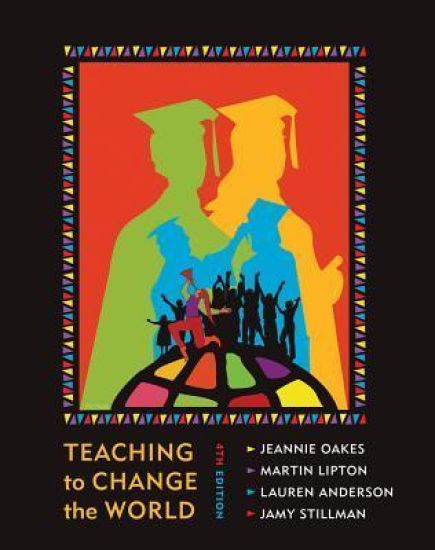
This is an up-to-the-moment, engaging, multicultural introduction to education and teaching and the challenges and opportunities they present. Together, the four authors bring a rich blend of theory and practical application to this groundbreaking text. Jeannie Oakes is a leading education researcher and former director of the UCLA teacher education program. Martin Lipton is an education writer and consultant and has taught in public schools for 31 years. Lauren Anderson and Jamy Stillman are former public school teachers, now working as teacher educators. This unique, comprehensive foundational text considers the values and politics that pervade the U. S. education system, explains the roots of conventional thinking about schooling and teaching, asks critical questions about how issues of power and privilege have shaped and continue to shape educational opportunity, and presents powerful examples of real teachers working for equity and justice. Taking the position that a hopeful, democratic future depends on ensuring that all students learn, the text pays particular attention to inequalities associated with race, social class, language, gender, and other social categories and explores teachers role in addressing them. The text provides a research-based and practical treatment of essential topics, and it situates those topics in relation to democratic values; issues of diversity; and cognitive, sociocultural, and constructivist perspectives on learning. The text shows how knowledge of education foundations and history can help teachers understand the organization of today s schools, the content of contemporary curriculum, and the methods of modern teaching. It likewise shows how teachers can use such knowledge when thinking about and responding to headline issues like charter schools, vouchers, standards, testing, and bilingual education, to name just a few. Central to this text is a belief that schools can and must be places of extraordinary educational quality and institutions in the service of social justice. Thus, the authors address head-on tensions between principles of democratic schooling and competition for always-scarce high-quality opportunities. Woven through the text are the voices of a diverse group of teachers, who share their analyses and personal anecdotes concerning what teaching to change the world means and involves. Click Here for Book Website Pedagogical Features: Digging Deeper sections referenced at the end of each chapter and featured online include supplementary readings and resources from scholars and practitioners who are addressing issues raised in the text. Instructor s Manual offers insights about how to teach course content in ways that are consistent with cognitive and sociocultural learning theories, culturally diverse pedagogy, and authentic assessment. New to this Edition: "
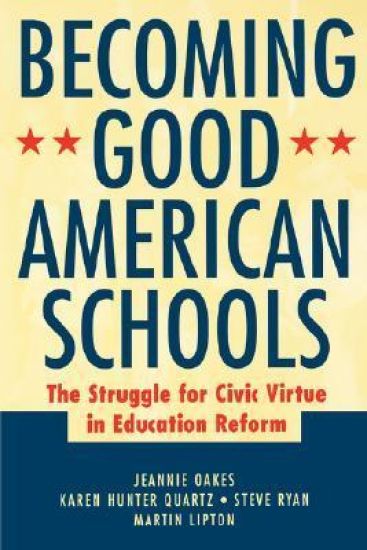
"A convincing portrait of teachers actively engaged in educational reform...offering a hopeful yet realistic vision of revitalized democracy inspired by a passion for the public good. This book is an eloquent defense of civic virtue."--Jonathan Kozol, author of Amazing Grace and Savage Inequalities "Rich, realistic, invigorating, and scary. Any middle school educator who has been part of an effort to reform the educational process will see himself or herself in this book--as the brave risk taker, the naive visionary, the frightened frontline trooper, and the touched individual who can make a difference."--Judy Cunningham, principal, South Lake Middle School, Irvine, California This book tells the stories of sixteen schools in California, Illinois, Massachusetts, Texas, and Vermont that sought to alter their structures and practices and become places fostering innovative ideas, caring people, principles of social justice, and democratic processes. Based on longitudinal, comparative case-study research, these accounts attest to the power of committing to public virtue and the struggle of educators to transform that commitment into changed school practice. The authors argue that better schools will come only when policy makers, educators, and citizens move beyond technical and bureaucratic reforms to engage in the same educative, socially just, caring, and participatory processes they want for schoolchildren. Those processes constitute betterment--both the means and the ends of school reform. Becoming Good American Schools is for administrators, policy makers, practitioners, and citizens who are prepared to blend inspiration and caution, idealism and skepticism in their own pursuit of good schools.
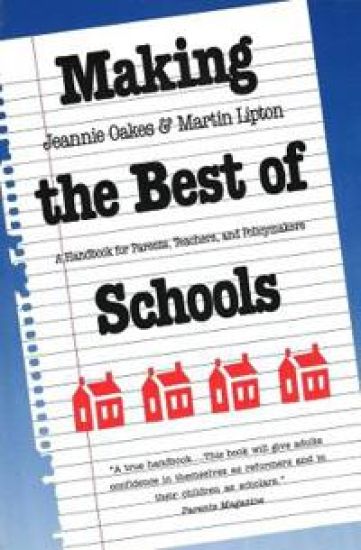
This practical, informative book shows parents and professionals alike how they can work with schools to help children receive the best possible education. Throughout, Oakes and Lipton provide invaluable guidance on such topics as how children learn; how changes at home can increase a child’s success at school; how basic subjects might be taught in more meaningful ways; how children with physical, emotional, social, or learning problems can be mainstreamed successfully; and what reforms are necessary to give all children the schools they need. "A true handbook. . . . This book will give adults confidence in themselves as reformers and in their children as scholars."-- Parents Magazine "Finally! A readable book about schools and learning that doesn’t talk down to parents, the public, and teachers. If knowledge is power, then this book is an arsenal of intelligence for dealing with education."-- Albert Shanker, President, American Federation of Teachers "The book speaks to parents who feel too excluded from the inner workings of schools to know how to influence them, and educators who may be too close to see the larger implications of their daily decisions."-- Beth Hakola, Education USA "Making the Best of Schools gives all of us – parents, educators, policymakers, and concerned citizens – some cogent advice on how to make schools work for all young Americans."-- Marian Wright Edelman, President, Children’s Defense Fund "A fine primer for new board members or board members whose expertise lies somewhere outside education. . . . It’s an inviting exploration, steeped in anecdotes and examples of good and bad practice."-- American School Board Journal