Kirjojen hintavertailu – 12 859 818 kirjaa ja 27 kauppaa

Kirjailija

Martyn Housden

Kirjat ja teokset yhdessä paikassa: 13 kirjaa, julkaisuja vuosilta 1996–2026, suosituimpiin kuuluu On Their Own Behalf. Vertaile teosten hintoja ja tarkista saatavuus suomalaisista kirjakaupoista.

13 kirjaa

Kirjojen julkaisuvuodet: 1996–2026.

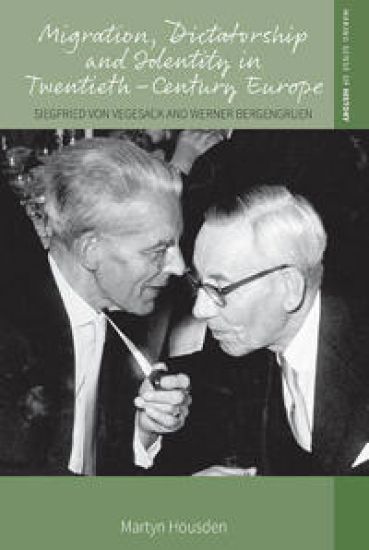
Migration, Dictatorship, and Identity in Twentieth-Century Europe
The lived experiences of two authors, Siegfried von Vegesack and Werner Bergengruen, provide a fascinating lens into the reality of migration and identity in twentieth-century Europe. Forced to leave their Baltic homeland and forge new lives in Germany, both authors contended with life under the Nazi regime and the social upheaval that took place after its fall. In this illuminating examination of the relationship between migration and literature, Martyn Housden interrogates how the experience of displacement informed the authorship of each figure. By charting how their writing interpolated the period’s many ruptures, this study offers an unrivalled insight into the complexities of identity and nationhood in a conflict-torn continent.
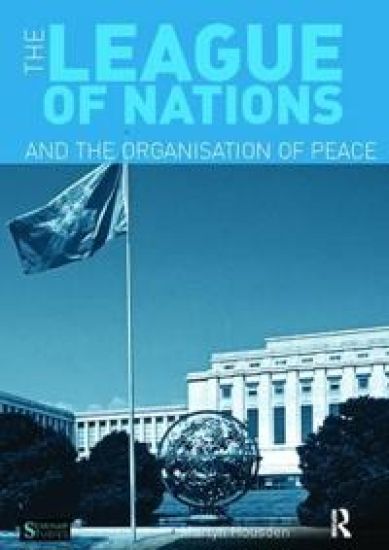
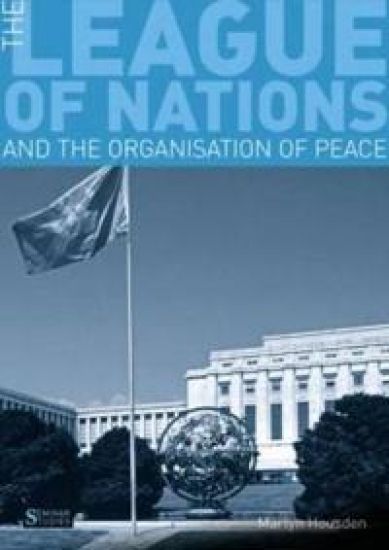
The League of Nations and the Organization of Peace
The League of Nations - pre-cursor to the United Nations - was founded in 1919 as a response to the First World War to ensure collective security and prevent the outbreak of future wars. It was set up to facilitate diplomacy in the face of future international conflict, but also to work towards eradicating the very causes of war by promoting social and economic justice. The philosophy behind much of the League's fascinating and varied roles was to help create satisfied populations who would reject future threats to the peace of their world. In this new volume for Seminar Studies, Martyn Housden sets out to balance the League's work in settling disputes, international security and disarmament with an analysis of its achievements in social and economic fields. He explores the individual contributions of founding members of the League, such as Fridtjof Nansen, Ludwik Rajchman, Rachel Crowdy, Robert Cecil and Jan Smuts, whose humanitarian work laid the foundations for the later successes of the United Nations in such areas as: the welfare of vulnerable people, especially prisoners of war and refugees dealing with epidemic diseases and promoting good health anti-drugs campaigns Supported by previously unpublished documents and photographs, this book illustrates how an understanding of the League of Nations, its achievements and its ultimate failure to stop the Second World War, is central to our understanding of diplomacy and international relations in the Inter-War period.
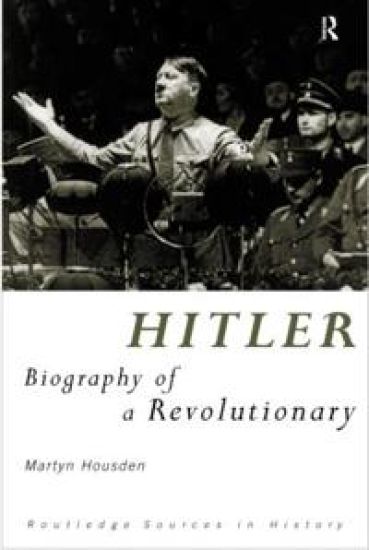
Hitler

Hitler

Martyn Housden

Routledge
2016
sidottu
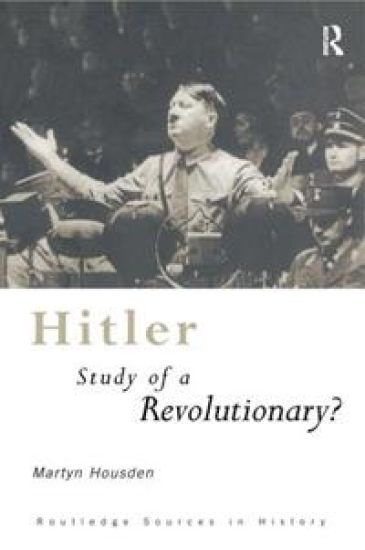
Adolf Hitler is perceived to be the most evil political leader of twentieth century Europe. Hitler draws on his background and involvement in the rise of National Socialism, the government of the Third Reich, leadership of the Second World War in Germany and his psychology to discuss Hitler's credentials as a revolutionary. This volume includes examination of: * the general characteristics of revolutions and revolutionaries * Hitler as Agitator, Dictator, Deceiver and Warlord * Hitler's architectural and artistic ambitions * Hitler's mind and personality. Hitler investigates what it was that motivated this national leader to achieve such monstrosities which still cast a shadow over Europe today.
Hitler

Hitler

Martyn Housden

Routledge
2015
nidottu
Adolf Hitler is perceived to be the most evil political leader of twentieth-century Europe. By presenting a critical selection of primary source material this book examines Hitler's background and involvement in the rise of National Socialism, the government of the Third Reich, leadership of the Second World War in Germany and his psychology, to discuss Hitler's credentials as a revolutionary. This volume includes examination of: * the general characteristics of revolutions and revolutionaries * Hitler as agitator, dictator, deceiver and warlord * Hitler's architectural and artistic ambitions * Hitler's mind and personality. Hitler investigates what it was that motivated this national leader to commit such monstrosities which still cast a shadow over Europe today.
On Their Own Behalf

On Their Own Behalf

Martyn Housden

Editions Rodopi B.V.
2014
sidottu
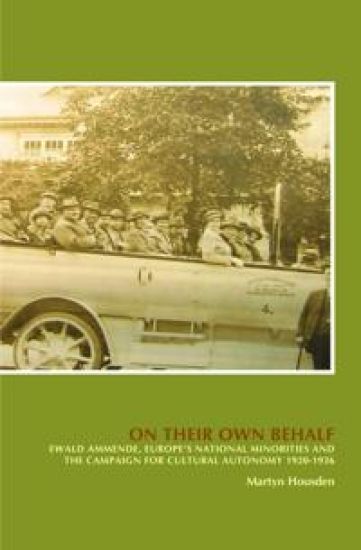
What form should Europe take? Should it be based on ‘nation states’ or ‘states of nations’? On what basis should European unification proceed? Should it be an élite undertaking pioneered by statesmen elected to democratic government offices, or should true unification also demand a significant European cultural forum open to spokesmen and –women representing the continent’s nationality groups? Was the League of Nations really such a thing? Or was it a League of States? All these questions were posed by Ewald Ammende and his fellow minority associates during the 1920s. Coming to terms with the consequences of collapsed empires and at least four years of conflict, they were forced to consider how best to re-build their continent as if it were a tabula rasa. In the process, they provided intelligent, perceptive analyses of the national and international affairs of the day, particularly as they affected Central and Eastern Europe. Their voices, reflecting their status as national minorities and a geographical location beyond the borders of the post-war Great Powers, deserve to be written more thoroughly into the history of the interwar years. Their ideas still provide food for thought even today.
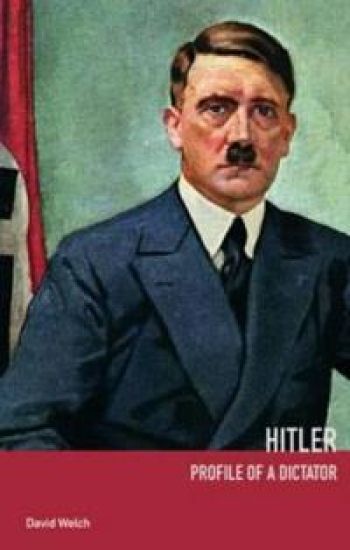
Hitler

Hitler

Martyn Housden

Routledge
2011
nidottu
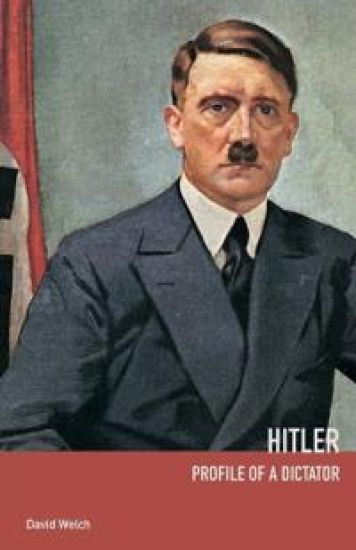
Hitler: Profile of a Dictator is a fascinating exploration of Hitler and his role in the Third Reich. The book unravels the complex historiographical debate surrounding this notorious figure by examining his personality, his ideas and the nature of his power. Hitler: Profile of a Dictator surveys Hitler's career chronologically and includes coverage of:* the young idealogue* the Führer State* Hitler's role in the outbreak of the Second World War* Hitler's involvement in the Holocaust. This second edition brings the continuing debate up to date in light of the most recent reseach, and speculates on the implications of the Irving trial.
The League of Nations and the Organization of Peace
The League of Nations - pre-cursor to the United Nations - was founded in 1919 as a response to the First World War to ensure collective security and prevent the outbreak of future wars. It was set up to facilitate diplomacy in the face of future international conflict, but also to work towards eradicating the very causes of war by promoting social and economic justice. The philosophy behind much of the League's fascinating and varied roles was to help create satisfied populations who would reject future threats to the peace of their world. In this new volume for Seminar Studies, Martyn Housden sets out to balance the League's work in settling disputes, international security and disarmament with an analysis of its achievements in social and economic fields. He explores the individual contributions of founding members of the League, such as Fridtjof Nansen, Ludwik Rajchman, Rachel Crowdy, Robert Cecil and Jan Smuts, whose humanitarian work laid the foundations for the later successes of the United Nations in such areas as: the welfare of vulnerable people, especially prisoners of war and refugees dealing with epidemic diseases and promoting good health anti-drugs campaigns Supported by previously unpublished documents and photographs, this book illustrates how an understanding of the League of Nations, its achievements and its ultimate failure to stop the Second World War, is central to our understanding of diplomacy and international relations in the Inter-War period.
Neighbours or enemies?

Neighbours or enemies?

John Hiden; Martyn Housden

Editions Rodopi B.V.
2008
nidottu
This is the first attempt to redress the injustice done to the memory of German minorities by the popular equation of ‘Lebensraum’ and Nazism; minorities, many of whom chose to be neighbours rather than enemies and who over time peacefully shared with other nationalities the territorial space east of the Reich. Their borderland experiences, particularly in the Baltic region, the historic interface between East and West, are all the more relevant as Hitler’s regime recedes into the past and Europe seeks to renew itself in the wake of the Cold War.
Hitler

Hitler

Martyn Housden

Routledge
2000
sidottu
Hitler: Profile of a Dictator is a fascinating exploration of Hitler and his role in the Third Reich. The book unravels the complex historiographical debate surrounding this notorious figure by examining his personality, his ideas and the nature of his power. Hitler: Profile of a Dictator surveys Hitler's career chronologically and includes coverage of:* the young idealogue* the Führer State* Hitler's role in the outbreak of the Second World War* Hitler's involvement in the Holocaust. This second edition brings the continuing debate up to date in light of the most recent reseach, and speculates on the implications of the Irving trial.
Hitler

Hitler

Martyn Housden

Routledge
2000
nidottu
Adolf Hitler is perceived to be the most evil political leader of twentieth century Europe. Hitler draws on his background and involvement in the rise of National Socialism, the government of the Third Reich, leadership of the Second World War in Germany and his psychology to discuss Hitler's credentials as a revolutionary. This volume includes examination of: * the general characteristics of revolutions and revolutionaries * Hitler as Agitator, Dictator, Deceiver and Warlord * Hitler's architectural and artistic ambitions * Hitler's mind and personality. Hitler investigates what it was that motivated this national leader to achieve such monstrosities which still cast a shadow over Europe today.
Resistance and Conformity in the Third Reich
This is a thematically arranged text illustrating popular resisitance to Nazism in Germany from 1930-1945, and the affect of Nazism on everyday life. The book combines a lucid, synthesized analysis together with a wide selection of integrated source material taken from pamphlets, diaries, recent oral testimonies, correspondence and more. Different chapters focus on social groups and activities, such as youth movements, religion, Jewish Germans, and the working classes.