
Kirjailija
Mary Ann Frese Witt
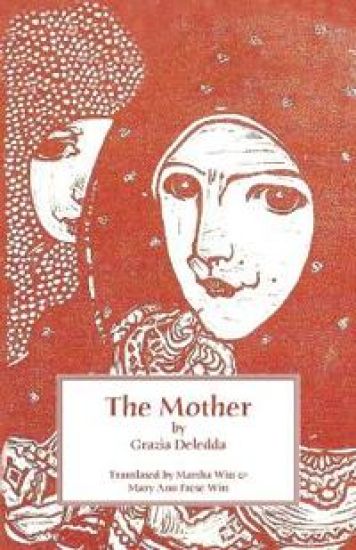
Kirjat ja teokset yhdessä paikassa: 4 kirjaa, julkaisuja vuosilta 2012–2025, suosituimpiin kuuluu The Mother. Vertaile teosten hintoja ja tarkista saatavuus suomalaisista kirjakaupoista.
4 kirjaa
Kirjojen julkaisuvuodet: 2012–2025.

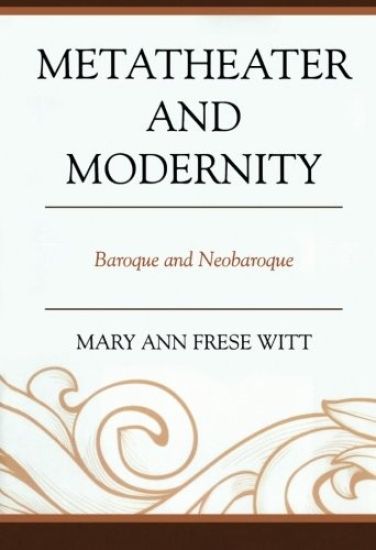
Metatheater and Modernity: Baroque and Neobaroque is the first work to link the study of metatheater with the concepts of baroque and neobaroque. Arguing that the onset of European modernity in the early seventeenth century and both the modernist and the postmodernist periods of the twentieth century witnessed a flourishing of the phenomenon of theater that reflects on itself as theater, the author reexamines the concepts of metatheater, baroque, and neobaroque through a pairing and close analysis of seventeenth and twentieth century plays. The comparisons include Jean Rotrou’s The True Saint Genesius with Jean-Paul Sartre’s Kean and Jean Genet’s The Blacks; Pierre Corneille’s L’Illusion comique with Tony Kushner’s The Illusion; Gian Lorenzo Bernini’s The Impresario with Luigi Pirandello’s theater-in-theater trilogy; Shakespeare’s Hamlet with Pirandello’s Henry IV and Tom Stoppard’s Rosencrantz and Guildenstern are Dead; Molière’s Impromptu de Versailles with “impromptus” by Jean Cocteau, Jean Giraudoux, and Eugène Ionesco. Metatheater and Modernity also examines the role of technology in the creating and breaking of illusions in both centuries. In contrast to previous work on metatheater, it emphasizes the metatheatrical role of comedy. Metatheater, the author concludes, is both performance and performative: it accomplishes a perceptual transformation in its audience both by defending theater and exposing the illusory quality of the world outside.

Metatheater and Modernity: Baroque and Neobaroque is the first work to link the study of metatheater with the concepts of baroque and neobaroque. Arguing that the onset of European modernity in the early seventeenth century and both the modernist and the postmodernist periods of the twentieth century witnessed a flourishing of the phenomenon of theater that reflects on itself as theater, the author reexamines the concepts of metatheater, baroque, and neobaroque through a pairing and close analysis of seventeenth and twentieth century plays. The comparisons include Jean Rotrou’s The True Saint Genesius with Jean-Paul Sartre’s Kean and Jean Genet’s The Blacks; Pierre Corneille’s L’Illusion comique with Tony Kushner’s The Illusion; Gian Lorenzo Bernini’s The Impresario with Luigi Pirandello’s theater-in-theater trilogy; Shakespeare’s Hamlet with Pirandello’s Henry IV and Tom Stoppard’s Rosencrantz and Guildenstern are Dead; Molière’s Impromptu de Versailles with “impromptus” by Jean Cocteau, Jean Giraudoux, and Eugène Ionesco. Metatheater and Modernity also examines the role of technology in the creating and breaking of illusions in both centuries. In contrast to previous work on metatheater, it emphasizes the metatheatrical role of comedy. Metatheater, the author concludes, is both performance and performative: it accomplishes a perceptual transformation in its audience both by defending theater and exposing the illusory quality of the world outside.