Kirjojen hintavertailu – 12 859 818 kirjaa ja 27 kauppaa

Kirjailija

Mary E. Hess

Kirjat ja teokset yhdessä paikassa: 7 kirjaa, julkaisuja vuosilta 2004–2023, suosituimpiin kuuluu Forming Leaders for the Public Church. Vertaile teosten hintoja ja tarkista saatavuus suomalaisista kirjakaupoista.

7 kirjaa

Kirjojen julkaisuvuodet: 2004–2023.

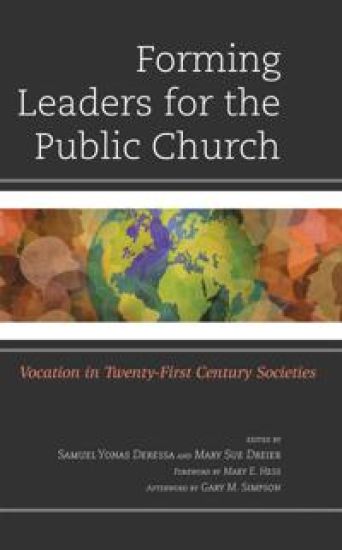
Forming Leaders for the Public Church

Forming Leaders for the Public Church

Mary E. Hess; Gary M. Simpson

BLOOMSBURY PUBLISHING PLC
2023
sidottu
These challenging times demand that Christian churches and their leaders faithfully and effectively address diverse global situations with Gospel-rooted compassion and justice. These essays argue that public theology provides the trinitarian theological framework which fuels wise and compassionate public participation in God's mission within the world today. Public church leaders from the Global South and Global North join their voices to explore the global implications of public theology within unique situational particularities. Their essays are principally based on the public theology and theological commitments of Gary M. Simpson, Lutheran pastor and systematic theologian. Simpson's public theology is an intersection of Lutheran theology, post-colonial approaches to missiology, the growing field of congregational studies, and the Civil Society turn in Critical Social Theory. Expanding on various aspects of Simpson's public theology, these essays provide a glimpse of newly-emerging global public theology with leadership implications for twenty-first century contexts. This book calls the church to bear today's multi-dimensional crises with courage, mutuality and cooperation. Congregations who seek to participate in God's mission by confronting these challenging realities will find encouragement through the theological reflections, first-hand experiences, and innovative public leadership narrated in these essays.
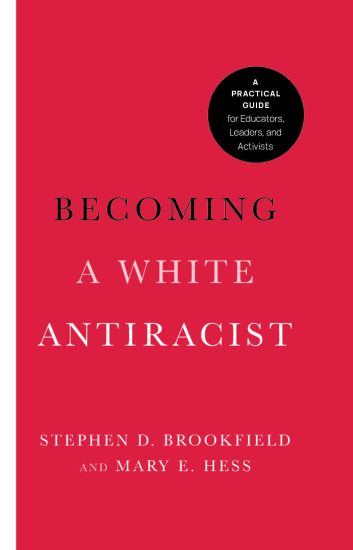
Becoming a White Antiracist

Becoming a White Antiracist

Stephen D. Brookfield; Mary E. Hess

Stylus Publishing
2021
sidottu
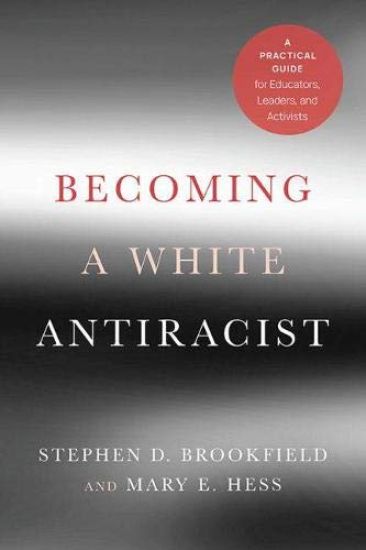
As this book was being written, the United States exploded in outrage against the murder by police of people of color across the country. Corporations, branches of state and local government, and educational institutions all pledged to work for racial justice and the Black Lives Matters movement moved into the mainstream as people from multiple racial and class identities pledged their support to its message. Diversity initiatives abounded, mission statements everywhere were changed to incorporate references to racial justice, and the rampant anti-blackness endemic to US culture was brought strikingly to the surface. Everywhere, it seemed, white people were looking to learn about race. “What do we do?” “How can we help?” These were the cries the authors heard most frequently from those whites whose consciousness of racism was being raised. This book is their answer to those cries. It’s grounded in the idea that white people need to start with themselves, with understanding that they have a white racial identity. Once you’ve learned about what it means to be white in a white supremacist world, the answer of "what can I do" becomes clear. Sometimes you work in multiracial alliances, but more often you work with white colleagues and friends. In this book the authors explore what it means for whites to move from becoming aware of the extent of their unwitting collusion in racism, towards developing a committed antiracist white identity. They create a road map, or series of paths, that people can consider traveling as they work to develop a positive white identity centered around enacting antiracism. The book will be useful to anyone trying to create conversations around race, teach about white supremacy, arrange staff and development workshops on racism, and help colleagues explore how to create an antiracist culture or environment. This work happens in schools, colleges and universities, and we suspect many readers will be located in K-12 and higher education. But helping people develop an antiracist identity is a project that occurs in corporations, congregations, community groups, health care, state and local government, arts organizations, and the military as well. Essentially, if you have an interest in helping the whites you interact with become antiracist, then this book is written very specifically for you. Watch our BWAR YouTube playlist, where authors Stephen Brookfield and Mary Hess chat about some common themes from the book.
Becoming a White Antiracist

Becoming a White Antiracist

Stephen D. Brookfield; Mary E. Hess

Stylus Publishing
2021
nidottu
As this book was being written, the United States exploded in outrage against the murder by police of people of color across the country. Corporations, branches of state and local government, and educational institutions all pledged to work for racial justice and the Black Lives Matters movement moved into the mainstream as people from multiple racial and class identities pledged their support to its message. Diversity initiatives abounded, mission statements everywhere were changed to incorporate references to racial justice, and the rampant anti-blackness endemic to US culture was brought strikingly to the surface. Everywhere, it seemed, white people were looking to learn about race. “What do we do?” “How can we help?” These were the cries the authors heard most frequently from those whites whose consciousness of racism was being raised. This book is their answer to those cries. It’s grounded in the idea that white people need to start with themselves, with understanding that they have a white racial identity. Once you’ve learned about what it means to be white in a white supremacist world, the answer of "what can I do" becomes clear. Sometimes you work in multiracial alliances, but more often you work with white colleagues and friends. In this book the authors explore what it means for whites to move from becoming aware of the extent of their unwitting collusion in racism, towards developing a committed antiracist white identity. They create a road map, or series of paths, that people can consider traveling as they work to develop a positive white identity centered around enacting antiracism. The book will be useful to anyone trying to create conversations around race, teach about white supremacy, arrange staff and development workshops on racism, and help colleagues explore how to create an antiracist culture or environment. This work happens in schools, colleges and universities, and we suspect many readers will be located in K-12 and higher education. But helping people develop an antiracist identity is a project that occurs in corporations, congregations, community groups, health care, state and local government, arts organizations, and the military as well. Essentially, if you have an interest in helping the whites you interact with become antiracist, then this book is written very specifically for you. Watch our BWAR YouTube playlist, where authors Stephen Brookfield and Mary Hess chat about some common themes from the book.
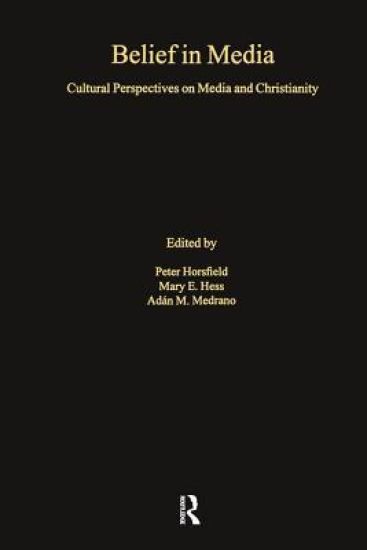
Belief in Media

Belief in Media

Mary E. Hess

Routledge
2019
nidottu
Most works on media developments and Christianity approach the subject from the perspective of the implications of new media technologies for traditional Christian practices or how churches can use new media to further their goals. The common framework of analysis is a 'given reality' of traditional institutional Christianity and how it interacts with, affects and is affected by media. Media are treated as a separate cultural reality. This book presents, in an accessible form, the new directions that approach the interaction of media and religion from a cultural perspective, and illustrates these new directions by a number of international and intercultural case studies and explorations. Looking at how global media are constructing cultural forms, structures and processes, the authors show how these have become the life out of which individual and social meaning is created and practised. Examining how individuals create religious meaning by interacting with media of various kinds, crossing boundaries of traditional religious cultures and contemporary media cultures, this book reveals how Christian institutions are also defined in the process of living culturally within their broader media context.
Engaging Technology in Theological Education
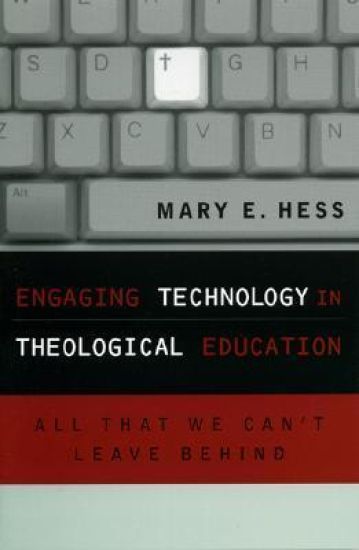
We live in a media culture, surrounded by ever-evolving digital technologies. While state schools and secular organizations have embraced the new teaching tools and models for learning that technology affords, religious institutions have struggled with how and why to do the same. All that we can't leave behind: Engaging technology in theological education is a breakthrough book that invites religious educators to both engage and adapt their pedagogy to incorporate new media and technology. Drawing from her expertise as a seminary professor and consultant to religious institutions on the use of technology in teaching, Mary Hess invites professors, pastors, seminarians, and anyone interested in religious education into critical reflection on ways of engaging technology to enhance learning and serve as critical interpreters within communities of faith.
Belief in Media

Belief in Media

Mary E. Hess

Ashgate Publishing Limited
2004
sidottu
Most works on media developments and Christianity approach the subject from the perspective of the implications of new media technologies for traditional Christian practices or how churches can use new media to further their goals. The common framework of analysis is a 'given reality' of traditional institutional Christianity and how it interacts with, affects and is affected by media. Media are treated as a separate cultural reality. This book presents, in an accessible form, the new directions that approach the interaction of media and religion from a cultural perspective, and illustrates these new directions by a number of international and intercultural case studies and explorations. Looking at how global media are constructing cultural forms, structures and processes, the authors show how these have become the life out of which individual and social meaning is created and practised. Examining how individuals create religious meaning by interacting with media of various kinds, crossing boundaries of traditional religious cultures and contemporary media cultures, this book reveals how Christian institutions are also defined in the process of living culturally within their broader media context.